Machine learning meets Dutch waterway data to reveal where fish are — and why.
Water quality measurements from 100+ monitoring stations across Dutch waterways. Temperature, dissolved oxygen, salinity, turbidity, nitrogen, phosphorus.
Real-time and historical weather data: air pressure trends, temperature, wind speed, precipitation. Updated every hour for live conditions.
Global Biodiversity records: species occurrence data with precise GPS coordinates and timestamps. Millions of observations across the Netherlands.
Authoritative species metadata: Dutch names, families, fishing seasons, legal regulations, and ecological habitat preferences.
Dataset citations
Weather data by Open-Meteo.com · Topographic data: Kadaster / PDOK · Water quality: Rijkswaterstaat
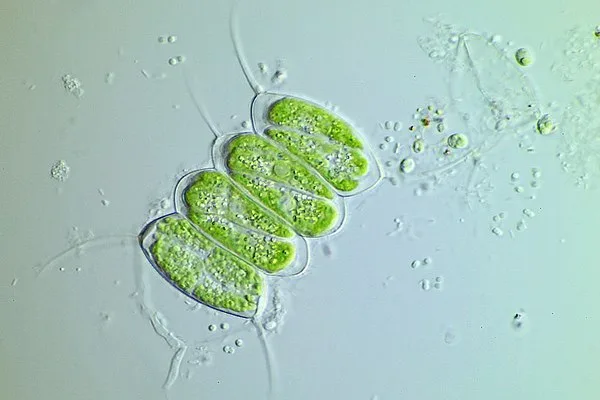
Scenedesmaceae
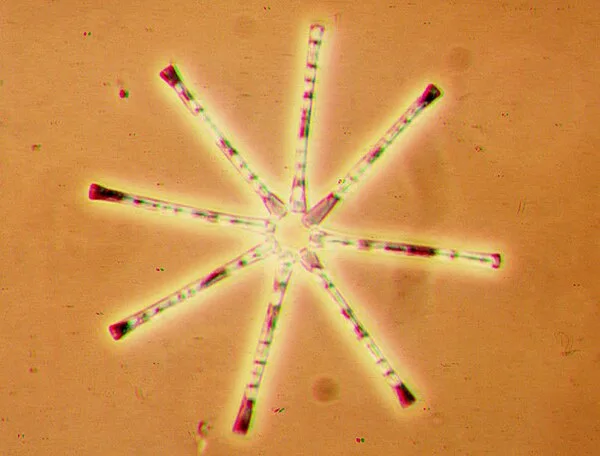
Fragilariaceae
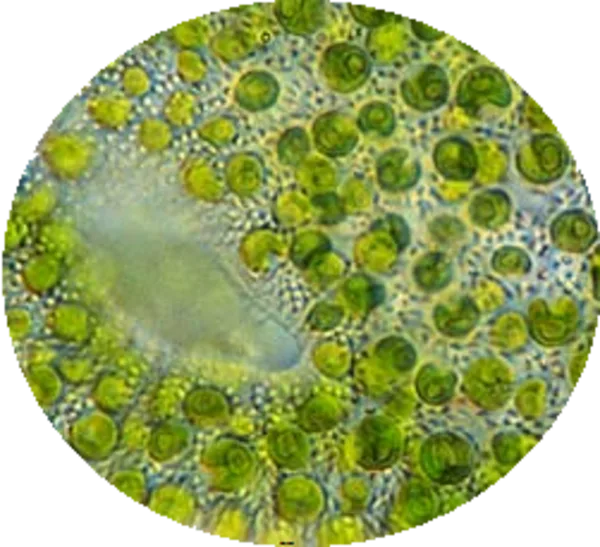
Chlorellaceae
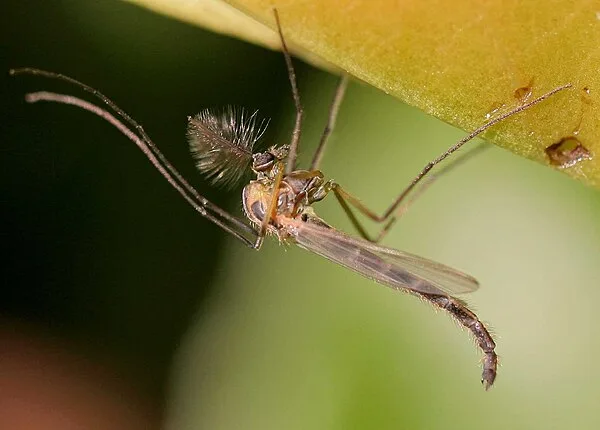
Chironomidae
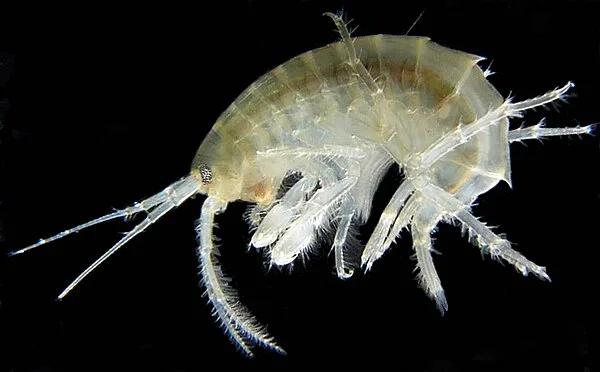
Gammaridae
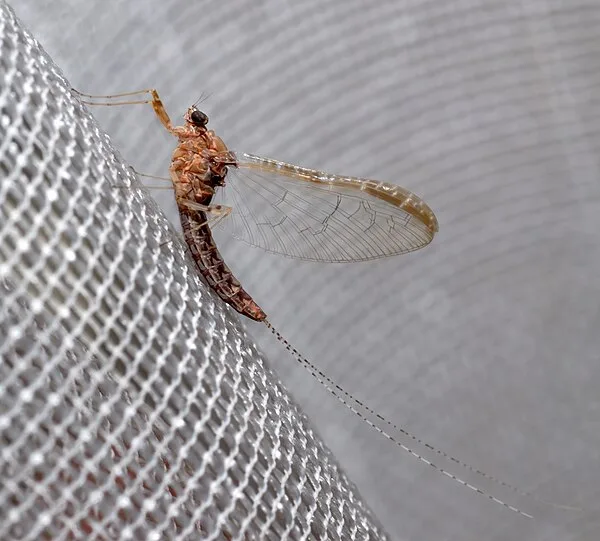
Baetidae
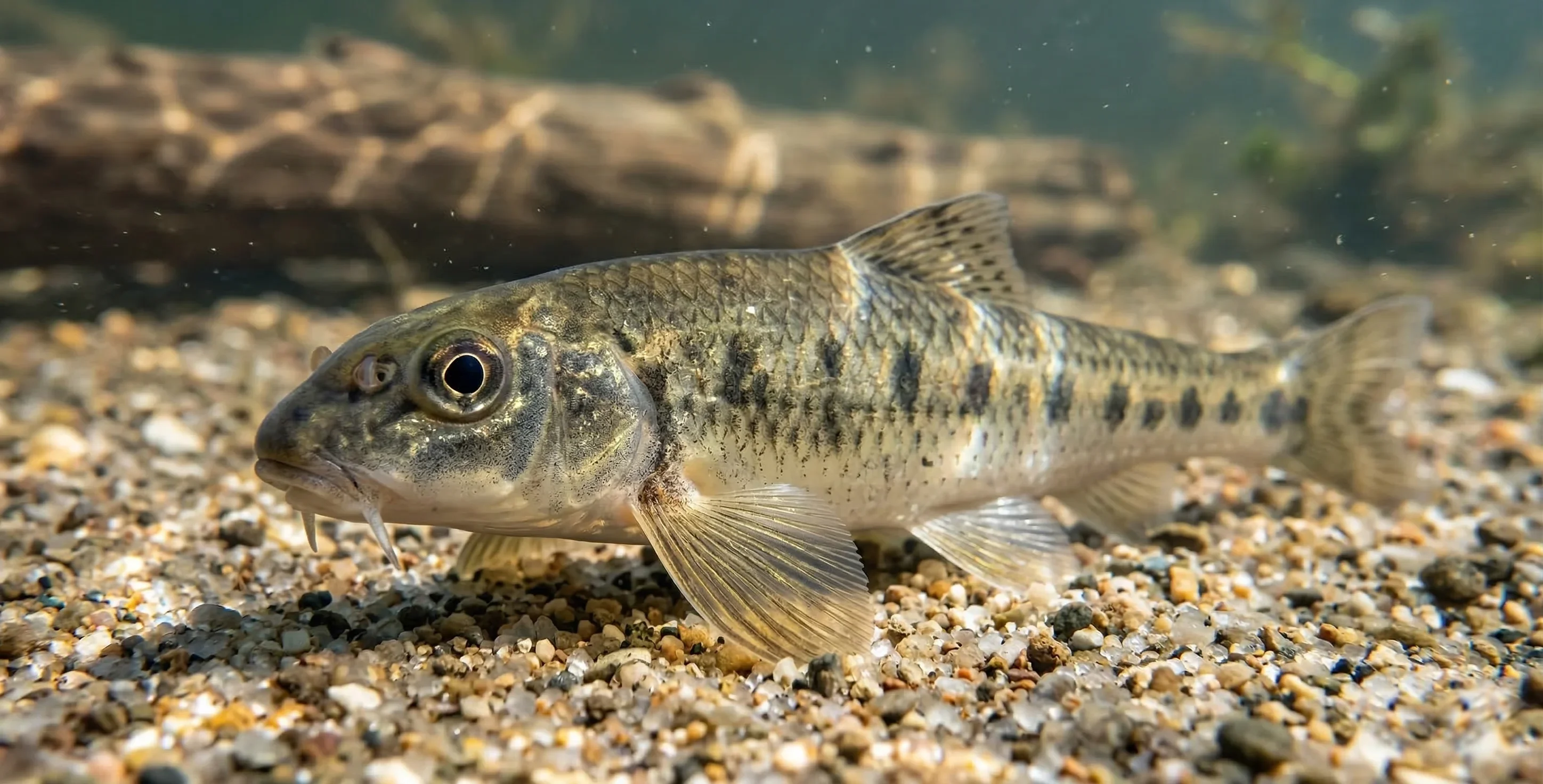
Gudgeon
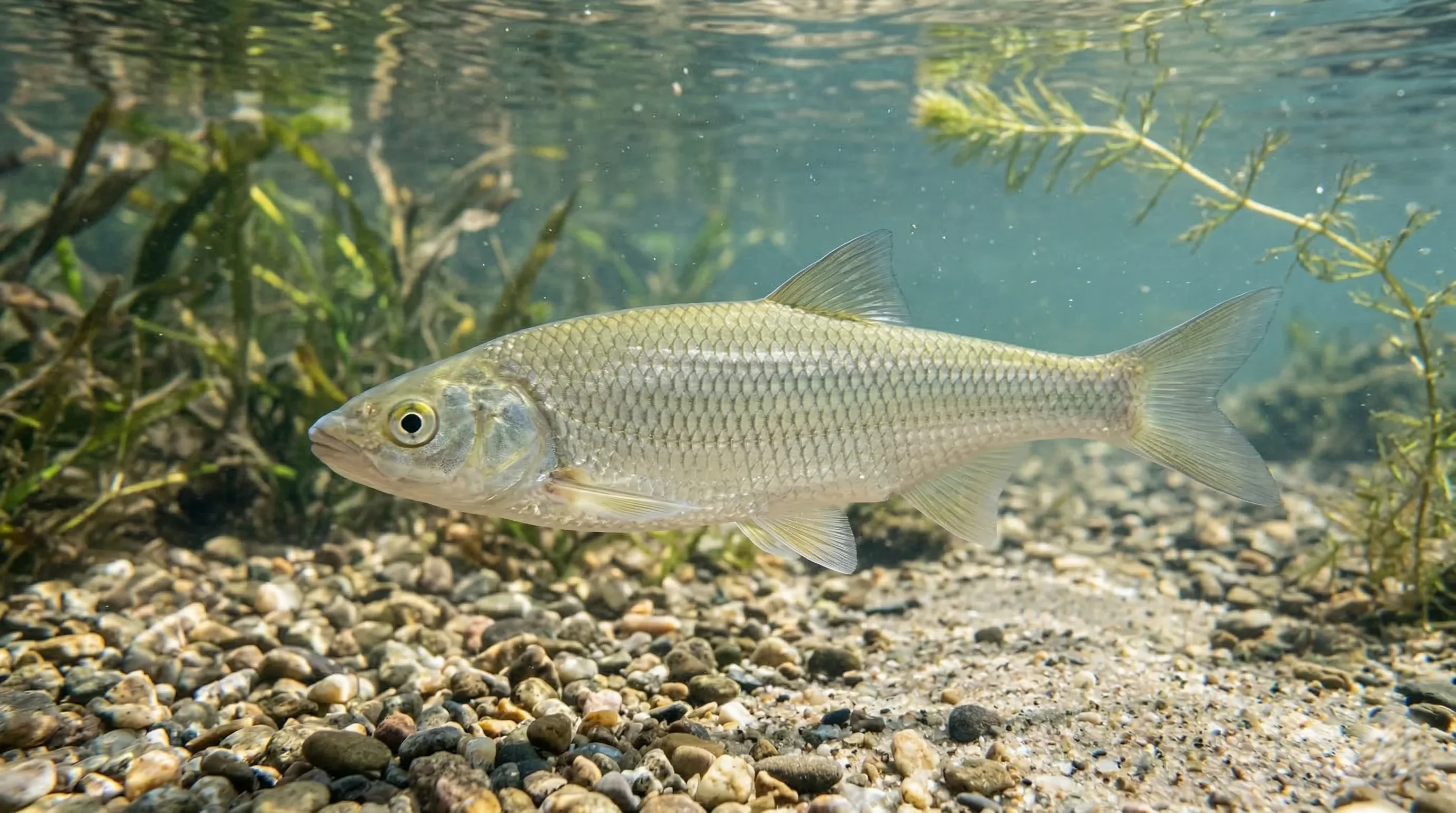
Common Dace
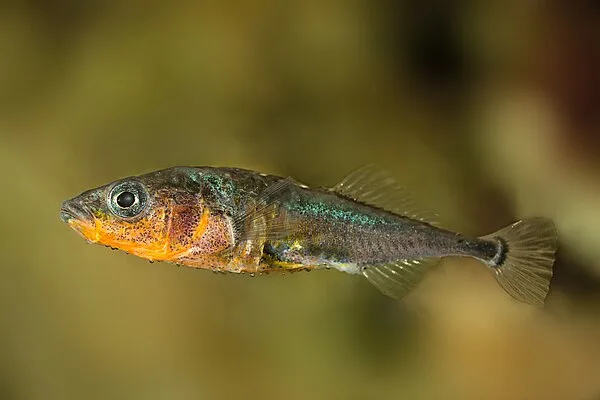
Stickleback
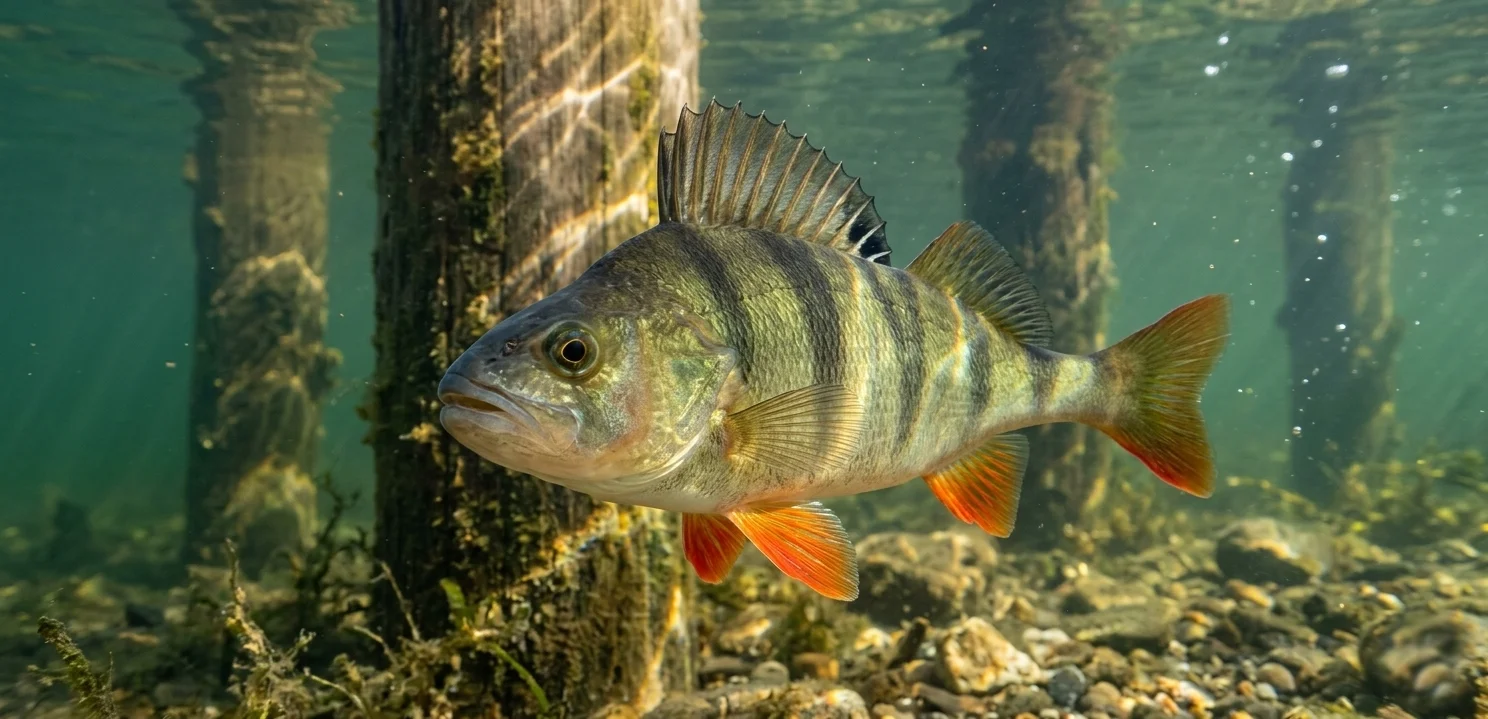
Perch
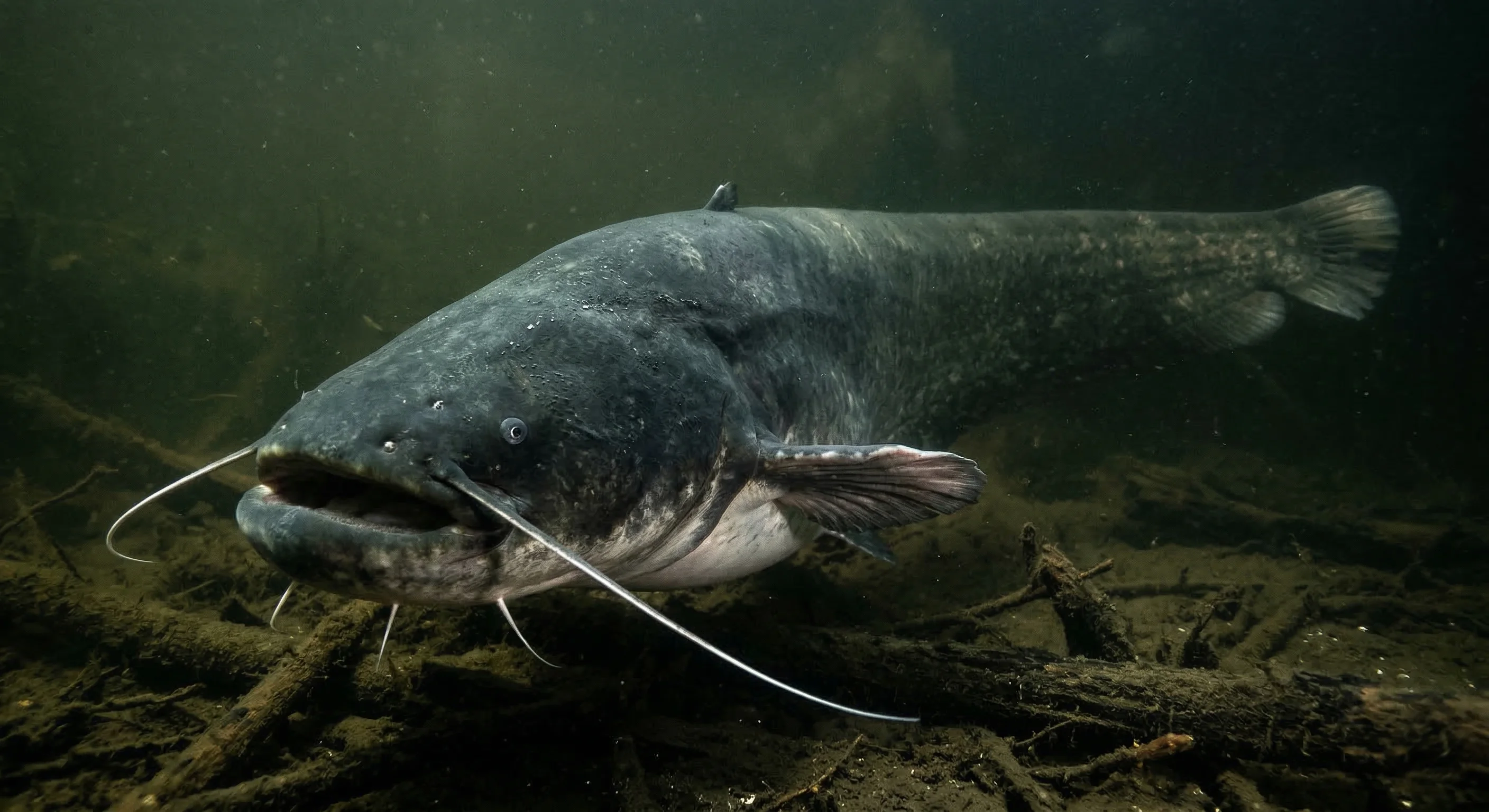
Catfish
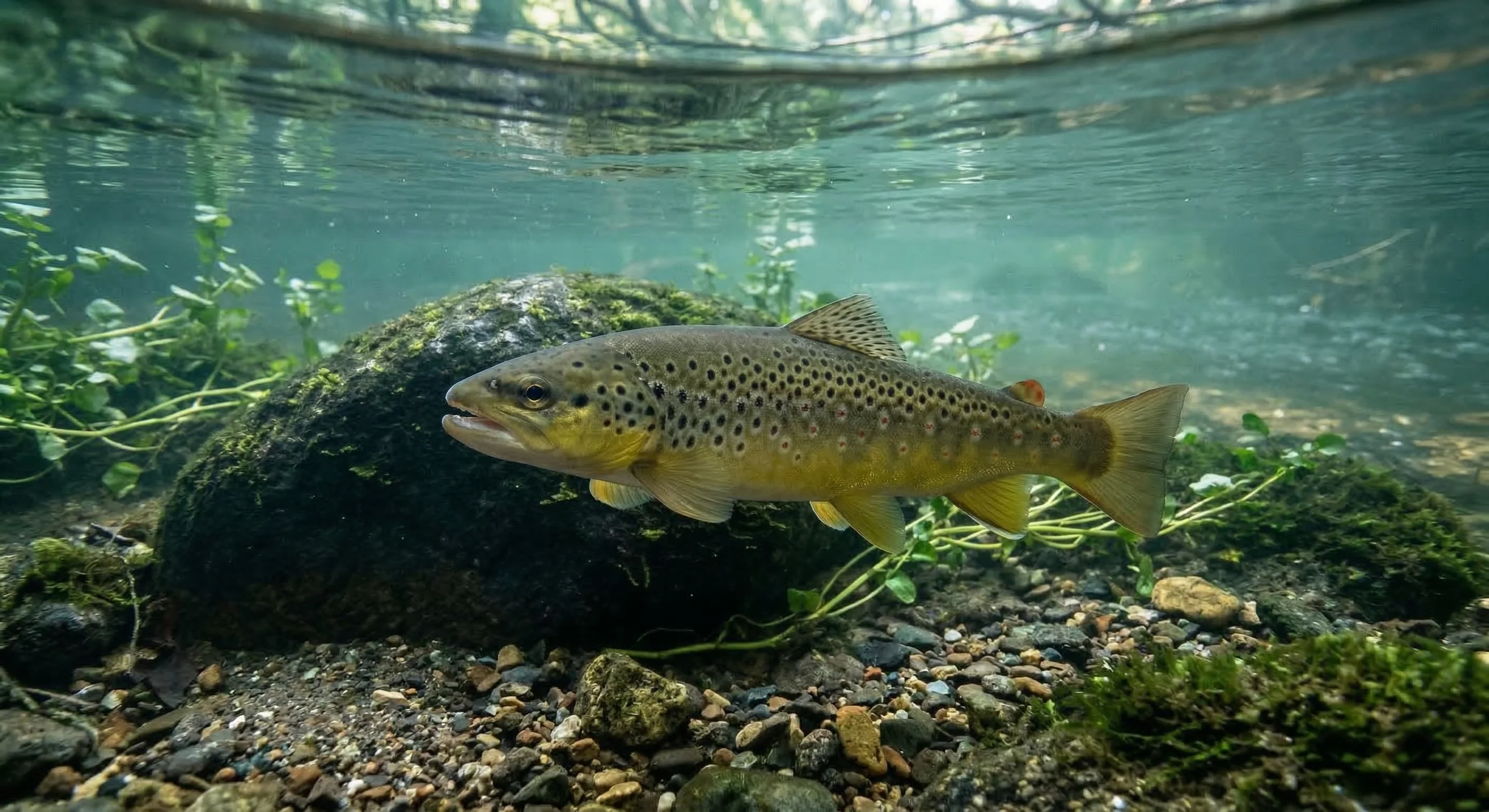
Brown Trout
We track every organism family from phytoplankton to apex predators. When prey populations shift, the system detects the ripple effect on fish catches.
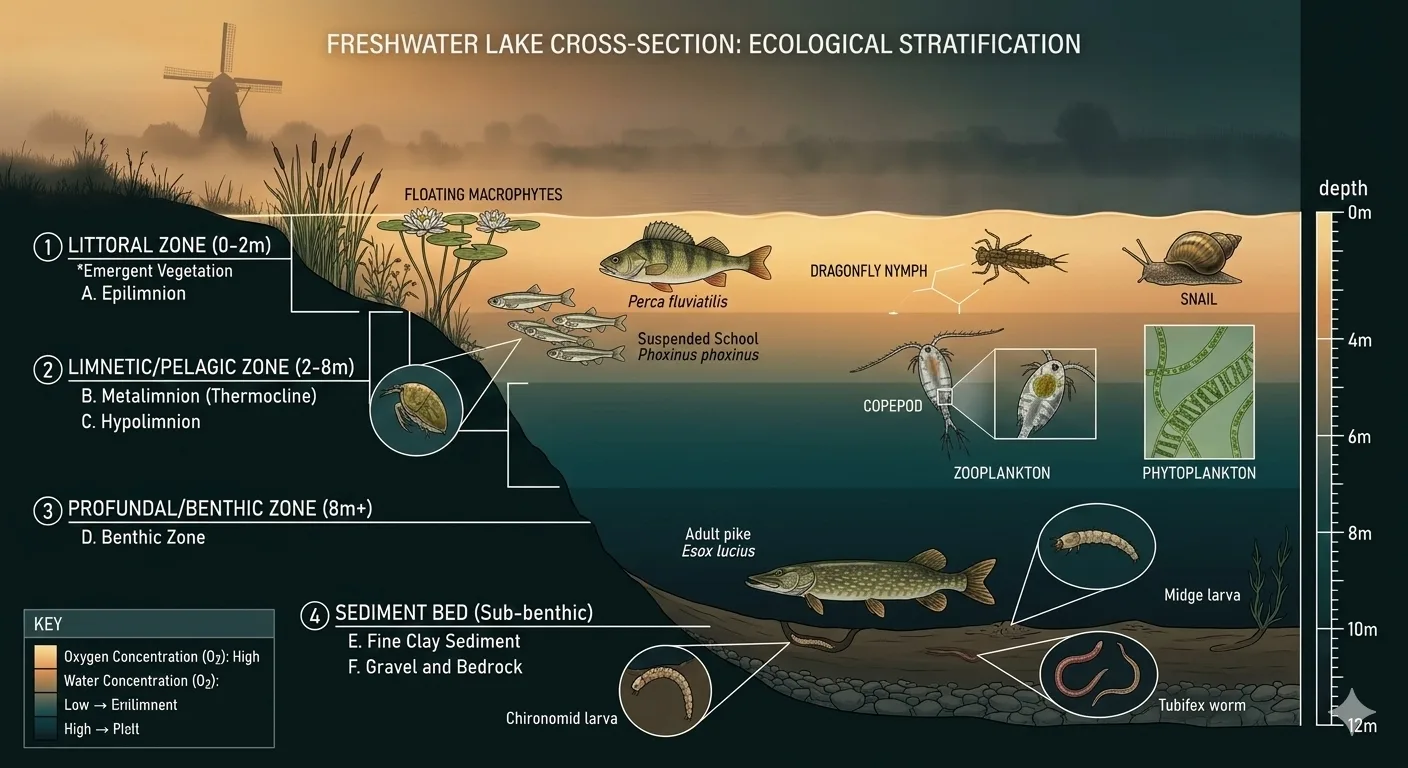
From water chemistry to macro-invertebrate populations to algae blooms — we analyze the complete aquatic food web at each location across the Netherlands.
Scores every area in the Netherlands based on real catch records, ecosystem health, prey availability, and water body type. Rankings are validated against actual angler results and updated nightly.
AI models predict daily catch probability for each species. Trained on years of real catch data and validated against catches the model has never seen — so you know the predictions hold up in the real world.
Machine learning models analyze hundreds of environmental factors — water quality, organisms, aquatic plants, ecosystem health — to predict which species could thrive at each location. Every prediction is validated against real-world observations the model was never trained on.
AI models trained on real fish measurements predict which locations produce the largest specimens. Linked to environmental conditions and validated against held-out data — find where the trophies actually are.
Each species gets its own set of AI models, trained on real catch and measurement data.
Early April 2026 — VisScanner flagged one day as the best and one species as most active. This is what actually happened.
"I didn't know when to go for my first carp of the season. VisScanner picked Monday 6 April as best day of the week, with 1.8× Carp Activity in Westzaan. I went — first bite, landed. Honestly stunned by how accurate this is."
— Joshua Rijnhart
All three days scored "Poor" on general conditions (wind, rain). But the per-species model found that on 6 April, carp activity rose 1.8× above baseline — a signal an overall weather score alone would miss. That's the value of a model trained per species.
Explore the full interactive map with real-time data and AI-powered predictions.
Launch VisScanner