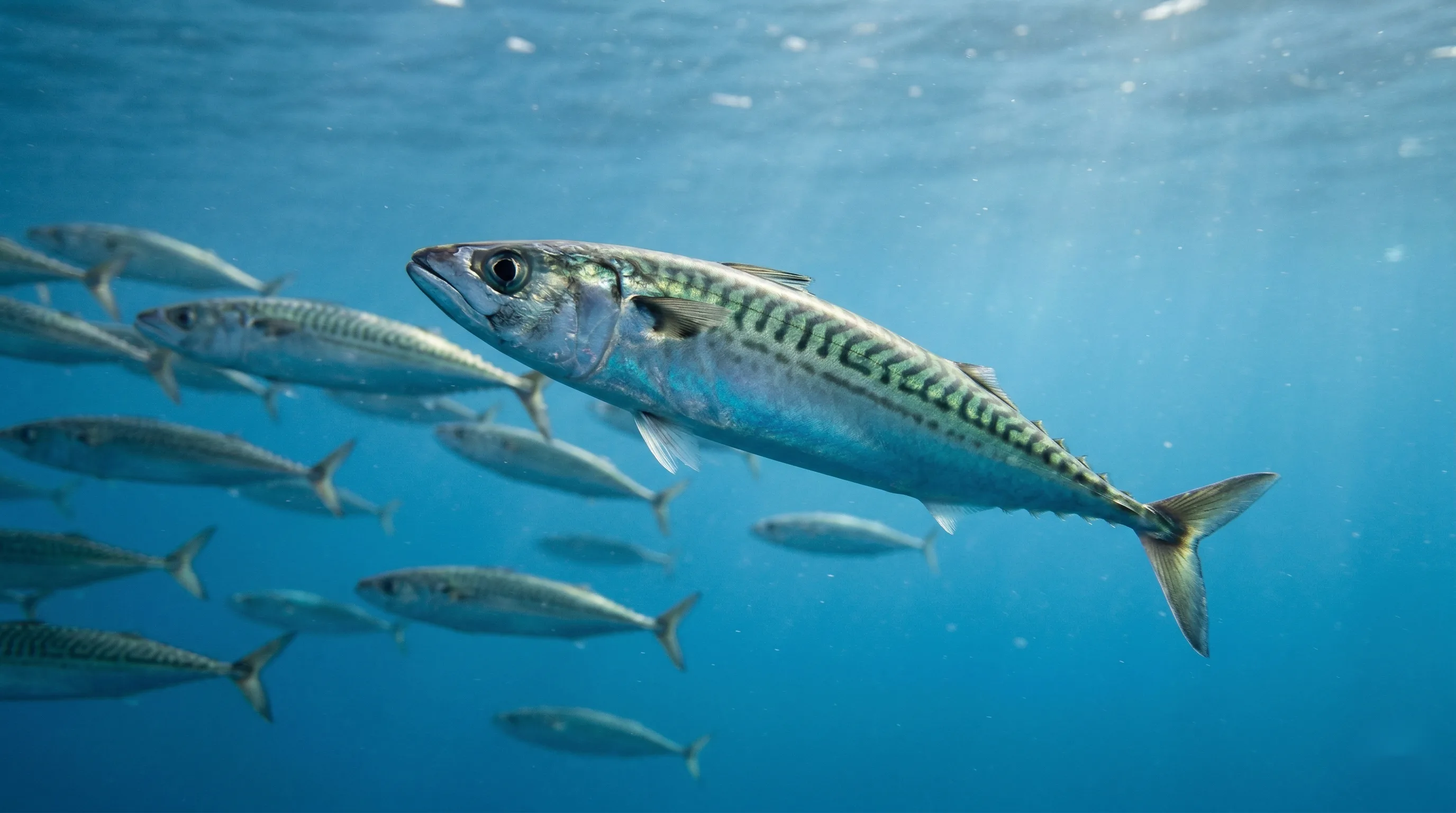
Common sole
Solea solea
Identification
The common sole is an elongated flatfish of 20 to 35 cm (up to 60 cm maximum) with a characteristic oval, tongue-shaped body — slimmer and more elongated than plaice or dab. Both eyes are on the right side. The upper surface is dark brown to olive-brown, sometimes with faint spots. The underside is white. The pectoral fin on the eyed side has a conspicuous dark spot at the tip. The mouth is small and crescent-shaped, curved downward — typical of a worm-feeder. The skin feels smooth, unlike the rough dab. The dorsal fin starts near the eye and runs almost to the tail.
Behavior & ecology
The sole is a nocturnal bottom fish that spends the day buried in sand or fine mud. Only after sunset does it become active, hunting polychaete worms, small shrimp, and bivalves that it detects with its sensitive underside. The species is a warm-water lover: in spring and summer, sole moves to shallow coastal water, estuaries, and canals connected to the sea. In winter, it retreats to deeper water. Sole spawns from April to June in coastal waters at temperatures above 10°C. It is the most valuable flatfish of the North Sea.
Fishing techniques
Sole fishing is quintessentially a nighttime activity. The most effective method is a simple bottom rig with one or two hooks (size 4–8) and a small lead weight on sandy bottom. Lugworm is by far the best bait — the scent attracts sole from a distance. Ragworm and shrimp also work. Fish from the beach, breakwaters, or harbor walls at sunset and through the first hours of night. The best periods are June to August, in warm weather and calm water. A light rod with a sensitive tip helps — sole take the bait eagerly but don't pull explosively.
In the Netherlands
Sole is economically the most important flatfish of the North Sea and an icon of the Dutch beam trawl fishery. The species occurs along the entire coast and penetrates far into canals and estuaries — the North Sea Canal, Western Scheldt, and Wadden Sea are key areas. For sport fishers, sole is a prized catch, especially during warm summer evenings. North Sea sole stocks are managed through EU quotas. The Dutch beam trawl fleet has historically been Europe's largest sole fishery, although the fleet has shrunk considerably in recent decades.
Upgrade om AI-gestuurde data-inzichten voor deze soort te ontgrendelen.
Upgrade naar Explorer om de beste visplekken voor deze soort te zien.
Seizoenspatronen
Upgrade om seizoensgebonden vangstpatronen voor deze soort te zien.
Belangrijkste voorspellers
Upgrade om de belangrijkste voorspellers en statistische inzichten voor deze soort te zien.