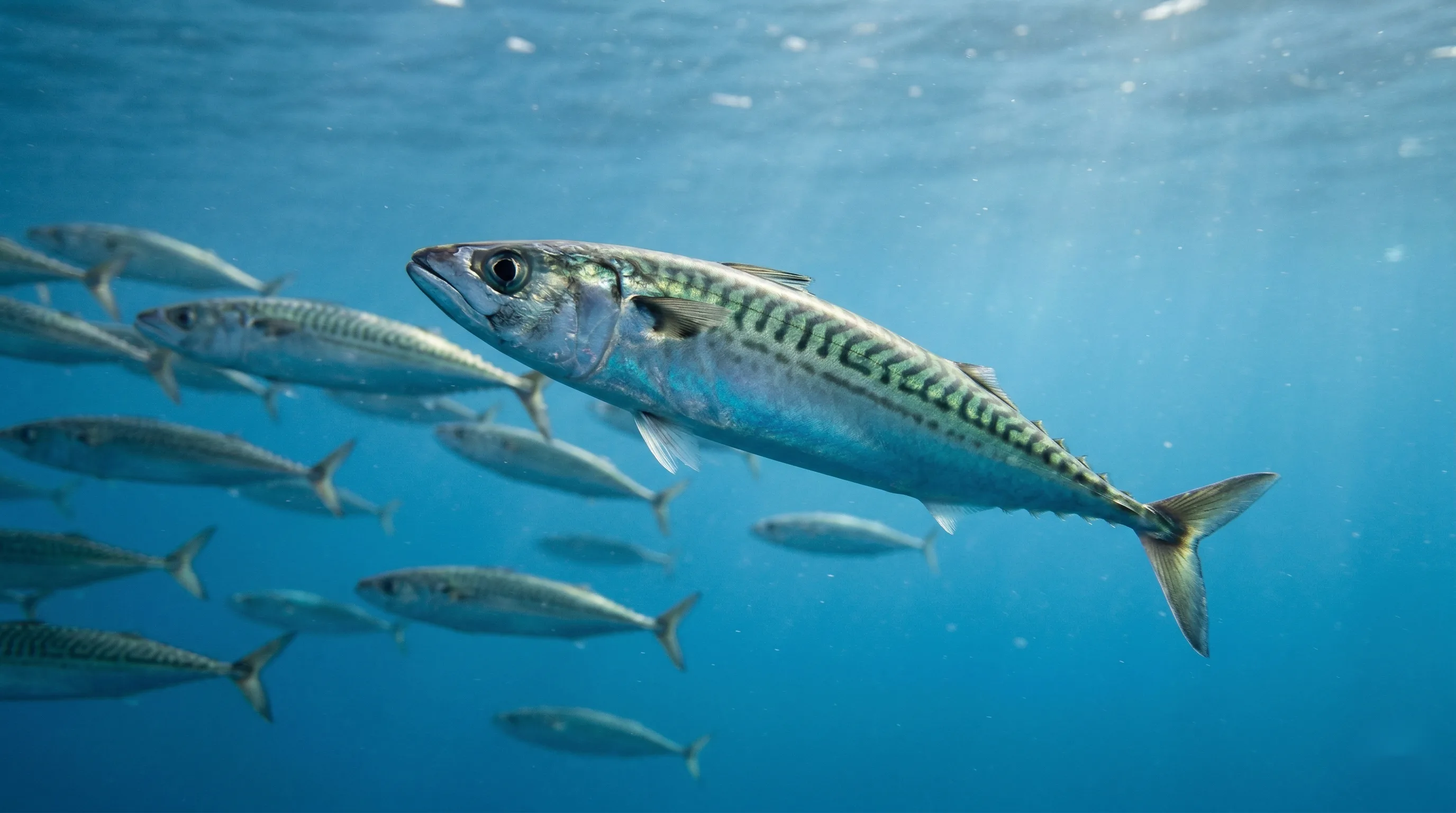
Brook Lamprey
Lampetra planeri
Identification
The brook lamprey (Lampetra planeri) closely resembles the river lamprey but remains smaller (12-20 cm). The body is slender and scaleless, brown to olive-coloured. The sucker mouth is smaller than the river lamprey's and the teeth are less sharp. Like all lampreys, it has seven gill openings on each side.
Ecology
Unlike the river lamprey, the brook lamprey is non-parasitic. Adults do not feed at all: their digestive tract degenerates before spawning. The larvae (ammocoetes) are blind and live buried in soft stream beds for 3-7 years, filter-feeding on micro-organisms and detritus. Spawning occurs in spring on shallow, gravelly patches.
In the Netherlands
With 505 observations in our database, the brook lamprey is found in clean, flowing streams, particularly in Limburg, Brabant and the Veluwe. The species is protected under Annex II of the Habitats Directive, meaning its habitats require special conservation. Stream restoration projects (re-meandering, water quality improvement) are essential for this species' survival.
Upgrade naar Explorer om de beste visplekken voor deze soort te zien.
Seizoenspatronen
Upgrade om seizoensgebonden vangstpatronen voor deze soort te zien.
Belangrijkste voorspellers
Upgrade om de belangrijkste voorspellers en statistische inzichten voor deze soort te zien.