
Baars
Perca fluviatilis
Erkennung
Der Flussbarsch ist einer der schönsten Süßwasserfische der Niederlande. Der Körper ist kräftig und leicht seitlich abgeflacht, mit einer auffälligen hohen ersten Rückenflosse voller scharfer Stacheln. Der Rücken ist dunkelgrün mit 5 bis 9 breiten, dunklen Querstreifen — das Merkmal, an dem man den Barsch sofort erkennt. Die Bauchflossen, Afterflosse und Schwanzflosse sind orange bis leuchtend rot, besonders auffällig bei größeren Exemplaren. Kleine Barsche werden manchmal mit jungen Zandern verwechselt, aber dem Zander fehlen die roten Flossen und er hat einen langgestreckteren Körper mit einem deutlich größeren Maul.
Verhalten & Lebensweise
Barsche sind ausgesprochene Schwarmfische, wenn sie jung sind. Gruppen von Dutzenden bis Hunderten kleiner Barsche jagen gemeinsam nach Insektenlarven, Flohkrebsen und kleinen Fischen. Mit zunehmendem Wachstum werden sie immer einzelgängerischer und stellen auf eine Fischdiät um. Dieser Übergang — von Wirbellosen zu Fisch als Hauptnahrung — ist eine entscheidende Wachstumsphase. Barsche, die diesen Wechsel erfolgreich vollziehen, können zu wahren Riesen heranwachsen.
Der Barsch ist ein Sichtjäger, der bei Tageslicht und klarem Wasser am besten sieht. Er ist am aktivsten morgens und am späten Nachmittag und jagt weniger bei grellem Sonnenschein oder trübem Wasser. Fallender Luftdruck und leichte Bewölkung aktivieren das Jagdverhalten — ähnlich wie beim Hecht. Im Winter ziehen Barsche in tiefere Wasserschichten, wo die Temperatur stabiler ist.
Angeltechniken
Der Barsch eignet sich hervorragend für leichtes Gerät. Ultra-Light-Spinnfischen mit kleinen Kunstködern ist die beliebteste Methode:
- Drop-Shot: Die mit Abstand effektivste Technik, besonders in stehenden Gewässern. Ein kleiner Shad oder Wurmimitat 20-40 cm über dem Blei. Subtiles Zittern und Pausieren.
- Micro-Jiggen: Kleine Gummifische (3-7 cm) an einem leichten Jigkopf. Ideal zum Abtasten von Strukturen wie Stegen, Brückenpfeilern und Schilfkanten.
- Kleine Wobbler: Crankbaits und Minnows von 3-5 cm. Besonders effektiv, wenn Barsche aktiv an der Oberfläche jagen.
- Würmer: Die klassische Methode mit Pose und halbem Tauwurm. Unfehlbar für kleinere Barsche und ideal für Anfänger.
Verwenden Sie eine leichte Rute (1,80-2,40m, 1-10g Wurfgewicht) mit dünner geflochtener Schnur (PE 0,4-0,8) und einem kurzen Fluorocarbon-Vorfach. Ein Stahlvorfach ist nicht nötig — Barsche haben keine scharfen Zähne.
In den Niederlanden
Der Barsch ist vermutlich der häufigste Sportfisch in den Niederlanden. Man findet ihn buchstäblich überall: von Stadtgrachten und Parkteichen bis zu Flüssen, Kanälen und den friesischen Seen. Dank seines aggressiven Bisses und seiner Bereitschaft, auf fast alles zu beißen, ist er der perfekte Fisch für Anfänger, während das Fangen eines wirklich großen Barsches (über 40 cm) eine Herausforderung ist, die auch erfahrene Angler reizt. Die Population ist gesund und stabil. Die kurze Schonzeit im Frühjahr schützt die laichenden Fische.
Was unsere KI über Barschhabitat verrät
Unsere KI-Analyse von 2.257 Standorten (95% Zuverlässigkeit) zeigt ein eindeutiges Muster: Barsche gedeihen dort, wo die Weißfischgemeinschaft am reichsten ist. Der stärkste Prädiktor ist das Rotauge (22%) — Barsch und Rotauge sind in niederländischen Gewässern praktisch untrennbar. Brasse (11%), Rotfeder (8%) und Güster (8%) punkten ebenfalls hoch. Zusammen erklären Weißfischarten mehr als 75% der Habitatvorhersage.
Dies sagt uns, dass Barsche keinen bestimmten Gewässertyp benötigen, sondern einfach dort gedeihen, wo ein gesunder Weißfischbestand vorhanden ist — die Grundlage ihrer Ernährung. Auffällig ist auch die Rolle des Kaulbarsches (6%): ein Familienmitglied (Percidae) mit exakt denselben Habitatanforderungen. Wo man Kaulbarsche fängt, ist der Barsch fast immer dabei.
Was Barsche größer werden lässt
Die überraschendste Erkenntnis aus unserem Wachstumsmodell: die Anwesenheit von Zandern (6,5%) ist der stärkste Prädiktor für größere Barsche. Das scheint widersprüchlich — der Zander ist sowohl Konkurrent als auch Räuber des Barsches — aber es deutet auf nährstoffreiche, tiefere Gewässer hin, in denen beide Arten gut gedeihen. Auch die Anwesenheit des Rapfens (4,3%) weist auf Gewässer mit einem robusten Ökosystem hin, das große Räuber unterstützt.
Zudem produzieren Kanäle (3,4%) größere Barsche als andere Gewässertypen, und Salinität (4,3%) spielt eine positive Rolle — leicht brackiges Wasser an Flussmündungen und Gezeitenkanälen bringt im Durchschnitt größere Exemplare hervor.
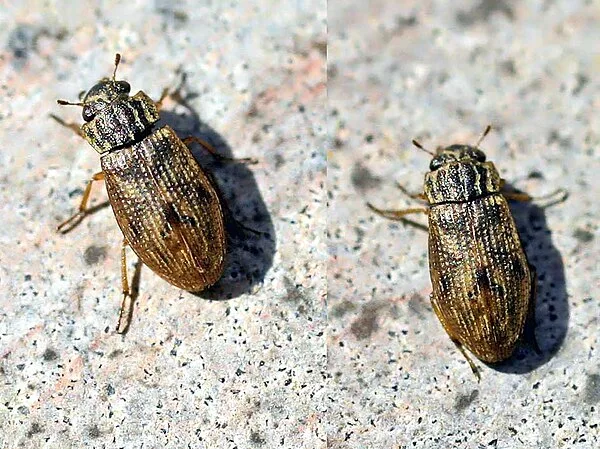 Sumpfkäfer (Helophoridae)
Wann unsere Daten zum Angeln raten
Basierend auf 15.014 Fängen ist der Barsch ein typischer Sommerfisch: August (21%), September (17%) und Juli (17%) sind die Topmonate. Der Kontrast zum Hecht ist auffällig — während der Hecht im Herbst seinen Höhepunkt hat, ist der Barsch am aktivsten, wenn das Wasser am wärmsten ist (Median 15,6°C). In den Wintermonaten sinken die Fänge auf nur 1-2% pro Monat.
Der Barsch ist ein echter Generalist beim Gewässertyp: Kanäle (14%), Flüsse (7%), Seen (6%), Teiche (6%) und Grachten (6%) punkten alle signifikant. Selbst Häfen (5%) sind gute Barschstandorte — überall, wo Struktur und Beutefisch zusammentreffen.


