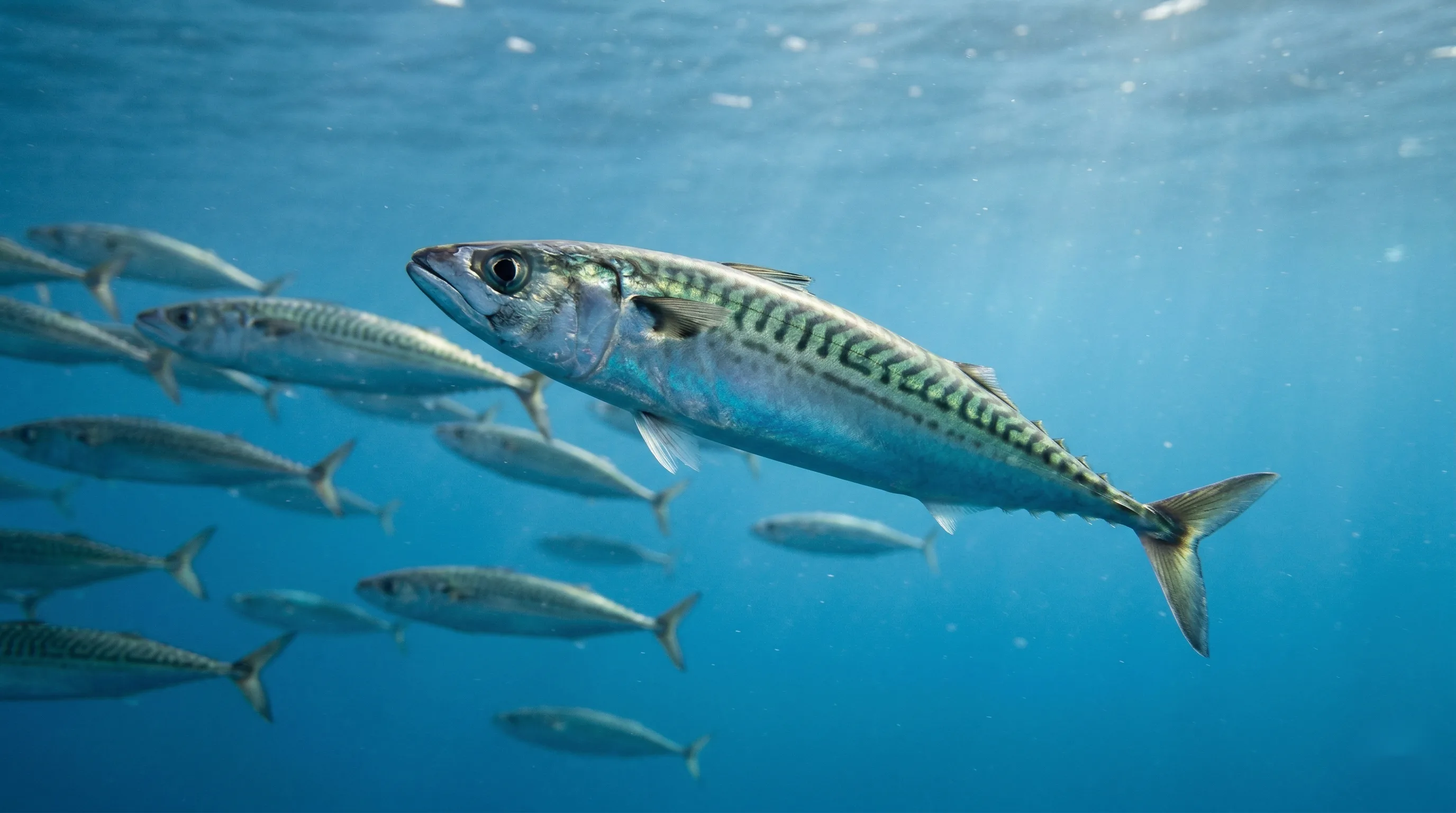
Zander
Sander lucioperca
Identification
The pikeperch (zander) combines features of both pike and perch but is a distinct species within the perch family (Percidae). The body is elongated and slimmer than the perch, with a pointed head and a remarkably large mouth filled with small teeth and two prominent canine teeth in the upper jaw. The eyes are large and glassy — an adaptation for hunting in low light. The back is grey-green with faint, dark vertical bars that are less defined than on perch. Key difference from perch: pikeperch completely lack the red fins and have a much longer, slimmer body shape. The difference from pike is straightforward: pikeperch have two separate dorsal fins (the first with spines) and a much narrower mouth.
Behavior & ecology
The pikeperch is a crepuscular hunter. Thanks to a reflective layer behind the retina (tapetum lucidum), it sees excellently in low light — a major advantage in turbid water and during the night. This explains why pikeperch thrive in waters where perch struggle: murky canals, deep rivers, and harbors with limited visibility.
During the day, pikeperch often hold in deeper water or near bottom structures. At sunset the hunt begins: the fish moves to shallower water and actively patrols along banks and quay walls. The diet consists mainly of roach, ruffe, and other small fish species. Falling barometric pressure and increasing cloud cover trigger hunting behavior, while clear nights with high pressure make the fish passive.
Fishing techniques
Pikeperch require a different approach than pike or perch. Evening and night fishing are by far the most productive:
- Jigging with shads: The most popular method. Soft plastics of 8-15 cm on a 7-20g jig head. Slowly bouncing along the bottom with regular pauses. The bite often comes during the pause.
- Night fishing with dead bait: A ruffe, small silver bream, or roach on a bottom rig with a single or treble hook, cast along quay walls or groynes. Very effective from October to March.
- Vertical fishing: From a boat, straight below the rod. Using a soft plastic or balancer to probe channel edges and deeper structures.
- Deep-diving crankbaits: Deep-diving crankbaits or small plugs of 8-12 cm at dusk, worked slowly along bottom structures and quay walls.
Use a sensitive rod (2.40-2.70m, 10-40g) with braided line.
In the Netherlands
Pikeperch have expanded enormously across the Netherlands in recent decades and are now one of the most popular predator species. The species thrives particularly well in the large canals and rivers that cross the country — the Amsterdam-Rhine Canal, the Meuse, the Waal, and the IJsselmeer are known as top locations. The Netherlands' turbid waters are ideal for this species. The closed season (April 1 through the last Saturday of May) protects nest-guarding males, which are vulnerable and aggressive during brooding.
Upgrade om AI-gestuurde data-inzichten voor deze soort te ontgrendelen.
Upgrade naar Explorer om de beste visplekken voor deze soort te zien.
Seizoenspatronen
Upgrade om seizoensgebonden vangstpatronen voor deze soort te zien.
Belangrijkste voorspellers
Upgrade om de belangrijkste voorspellers en statistische inzichten voor deze soort te zien.