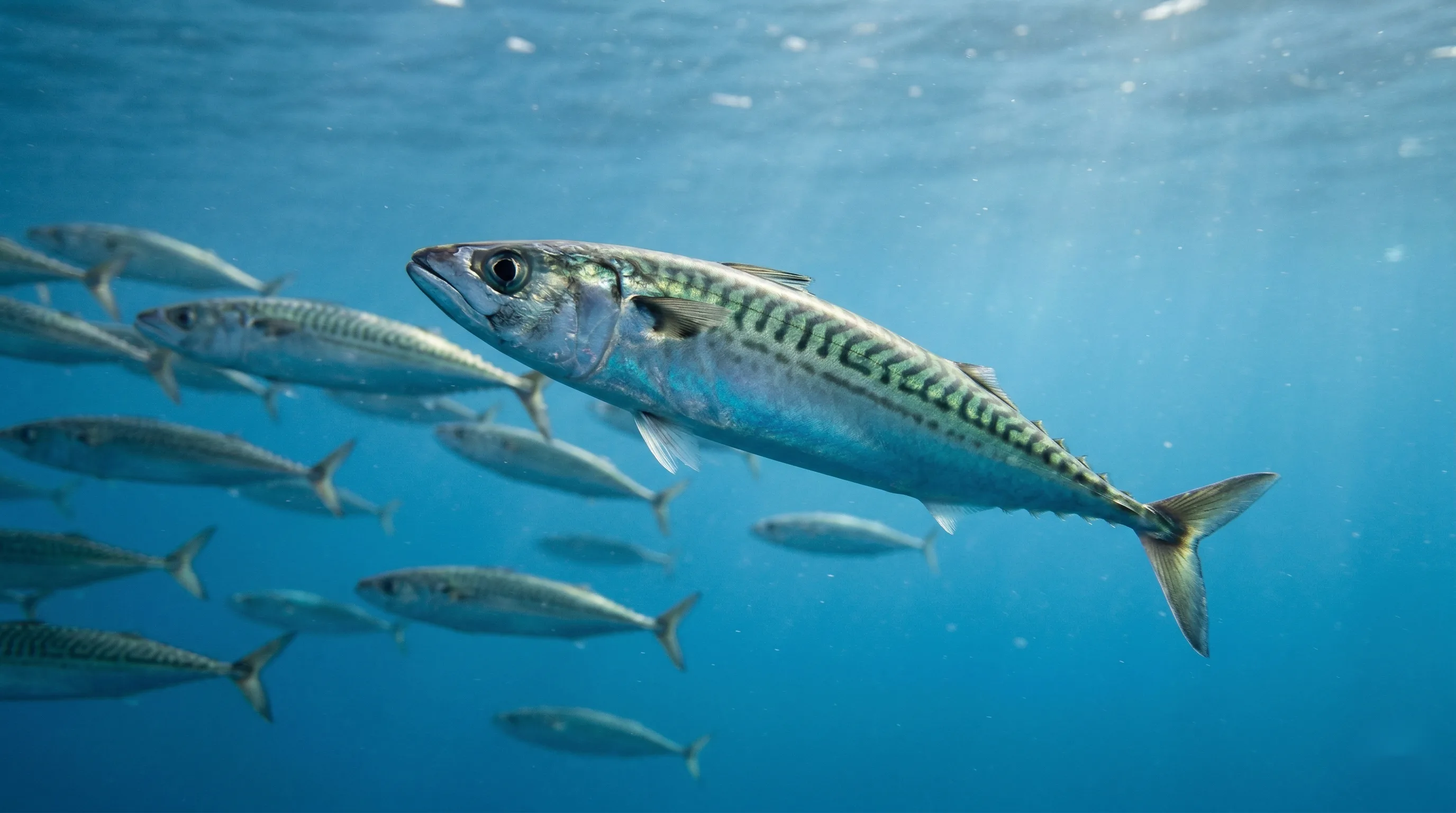
Pike
Esox lucius
Identification
The pike has an elongated, torpedo-shaped body built for explosive ambush attacks. The head is broad and flat with a large mouth filled with sharp, backward-pointing teeth. The back ranges from dark green to olive with lighter, irregular spots that provide camouflage among aquatic vegetation. The belly is creamy white. Distinctive are the dorsal, tail, and anal fins positioned far back on the body. Young pike display clear vertical bars that transition into the characteristic spotted pattern as they mature. Don't confuse pike with pikeperch: pikeperch have a higher back, smaller mouth, and dark stripes rather than spots.
Behavior & ecology
Pike are solitary ambush predators. They remain motionless among aquatic plants or near structures like reed beds and fallen trees, striking at lightning speed when prey passes. Their diet consists mainly of other fish — roach, bream, and perch are common prey species — supplemented by frogs and occasionally small waterfowl in larger specimens.
Behavior changes markedly with the seasons. In early spring, immediately after spawning, pike feed intensively to recover. Summer brings a slower rhythm: fish move to deeper, cooler water and are most active at dawn and dusk. Autumn marks the beginning of a major feeding period before winter, when pike aggressively hunt larger prey fish. Falling barometric pressure and overcast skies trigger their hunting instinct.
Fishing techniques
Spin fishing is by far the most popular method. Effective lure types vary by season:
- Spring: Slowly worked jerkbaits and large soft plastics along reed edges where pike hold after spawning.
- Summer: Topwater plugs in early morning; deep-diving crankbaits during the day when fish are deeper.
- Autumn: Large spoons and swimbaits for aggressive fall feeders. The best period for trophy pike.
- Winter: Dead bait or slowly worked soft plastics near the bottom.
Always use a steel or titanium trace — pike bite through fluorocarbon with ease. A medium-heavy rod of 2.40-2.70m with a casting weight of 40-80g is versatile for most situations.
In the Netherlands
Pike is one of the most iconic sport fish in the Netherlands and inhabits virtually all freshwater — from Frisian lakes and Randstad polders to the major rivers. The population is stable thanks to strict fisheries management and the statutory closed season in spring. Dutch pike grow well due to abundant prey fish and mild winters. Specimens over one meter are not uncommon in productive waters. The closed season protects pike during their vulnerable spawning period in ditches and shallow bankside areas.
Upgrade to unlock AI-powered data insights for this species.
Upgrade to Explorer to see the best fishing spots for this species.
Seasonal patterns
Upgrade to see seasonal catch patterns for this species.
Key predictors
Upgrade to see the key predictors and statistical insights for this species.