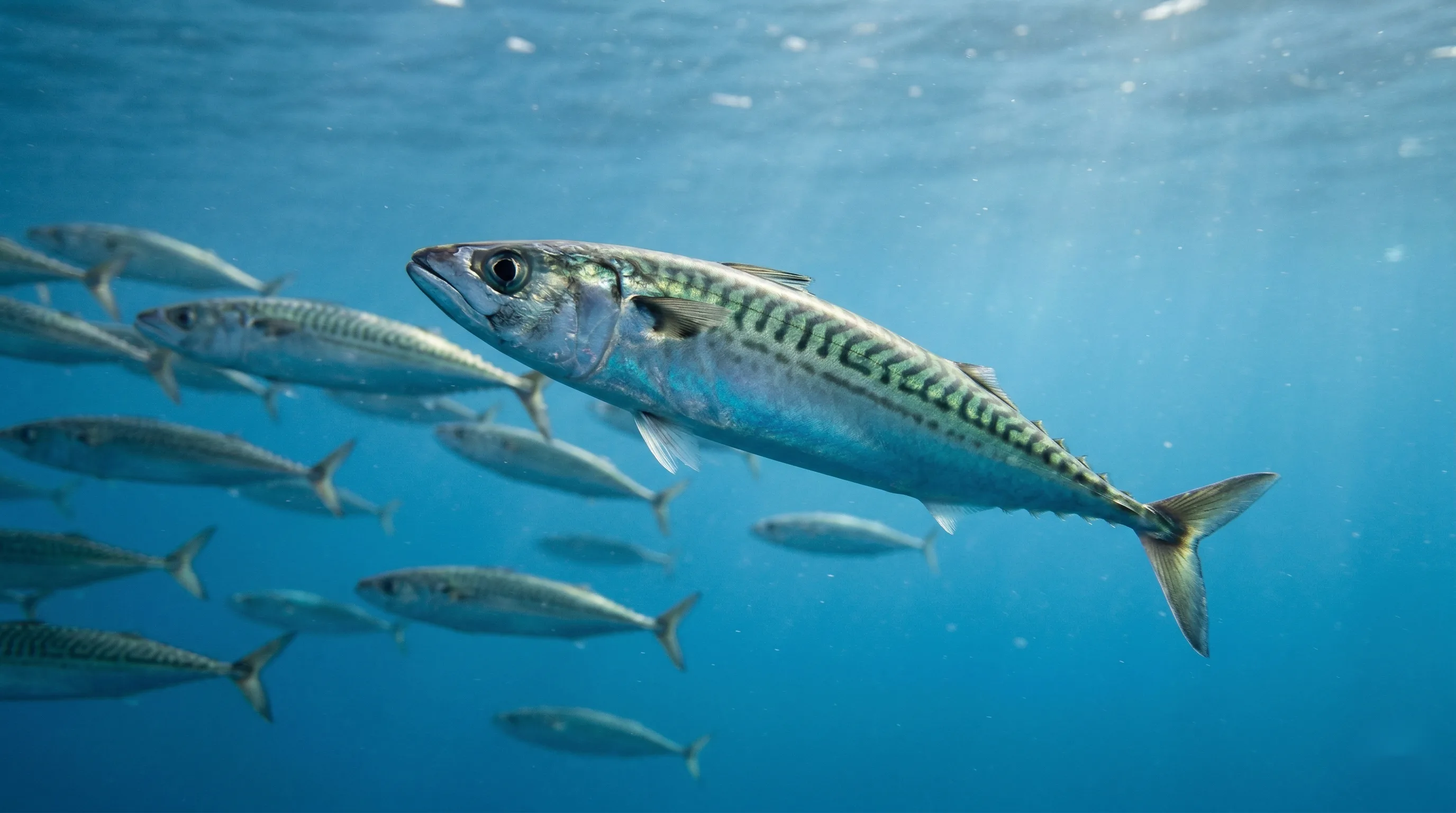
Three-spined stickleback
Gasterosteus aculeatus
Identification
The three-spined stickleback is one of the smallest fish in Dutch waters — adults average just 5 to 8 cm. Its defining features are three sharp dorsal spines and bony lateral plates that armor the body. Outside breeding season, the fish is silvery-grey with a lighter belly. In spring, males transform dramatically: a bright red throat and belly, blue-green eyes, and a silvery back. Not to be confused with the nine-spined stickleback, which is even smaller and has more (smaller) spines.
Behavior & ecology
The stickleback feeds on small invertebrates: midge larvae, aquatic worms, water fleas, and daphnia. It hunts by sight and is most active during daylight. Famous for its spawning behavior: in spring, males build a small nest from plant material on the bottom, court females with a zigzag dance, and aggressively guard the eggs — even against much larger fish. Many adults die after breeding. The stickleback is a key prey species for virtually all predatory fish in the Netherlands: pike, perch, and pikeperch hunt them intensively.
In the Netherlands
The three-spined stickleback is the most widespread fish in the Netherlands. It occurs in literally every water type: ditches, ponds, canals, harbors, streams, rivers, polder waters, and even brackish water. With tens of thousands of monitoring records, it serves as an indicator for overall water health. The stickleback has no closed season and no minimum size — it is not a target species for anglers but plays a crucial role in the food web as the primary prey fish for predators.
Upgrade to unlock AI-powered data insights for this species.
Upgrade to Explorer to see the best fishing spots for this species.
Seasonal patterns
Upgrade to see seasonal catch patterns for this species.
Key predictors
Upgrade to see the key predictors and statistical insights for this species.