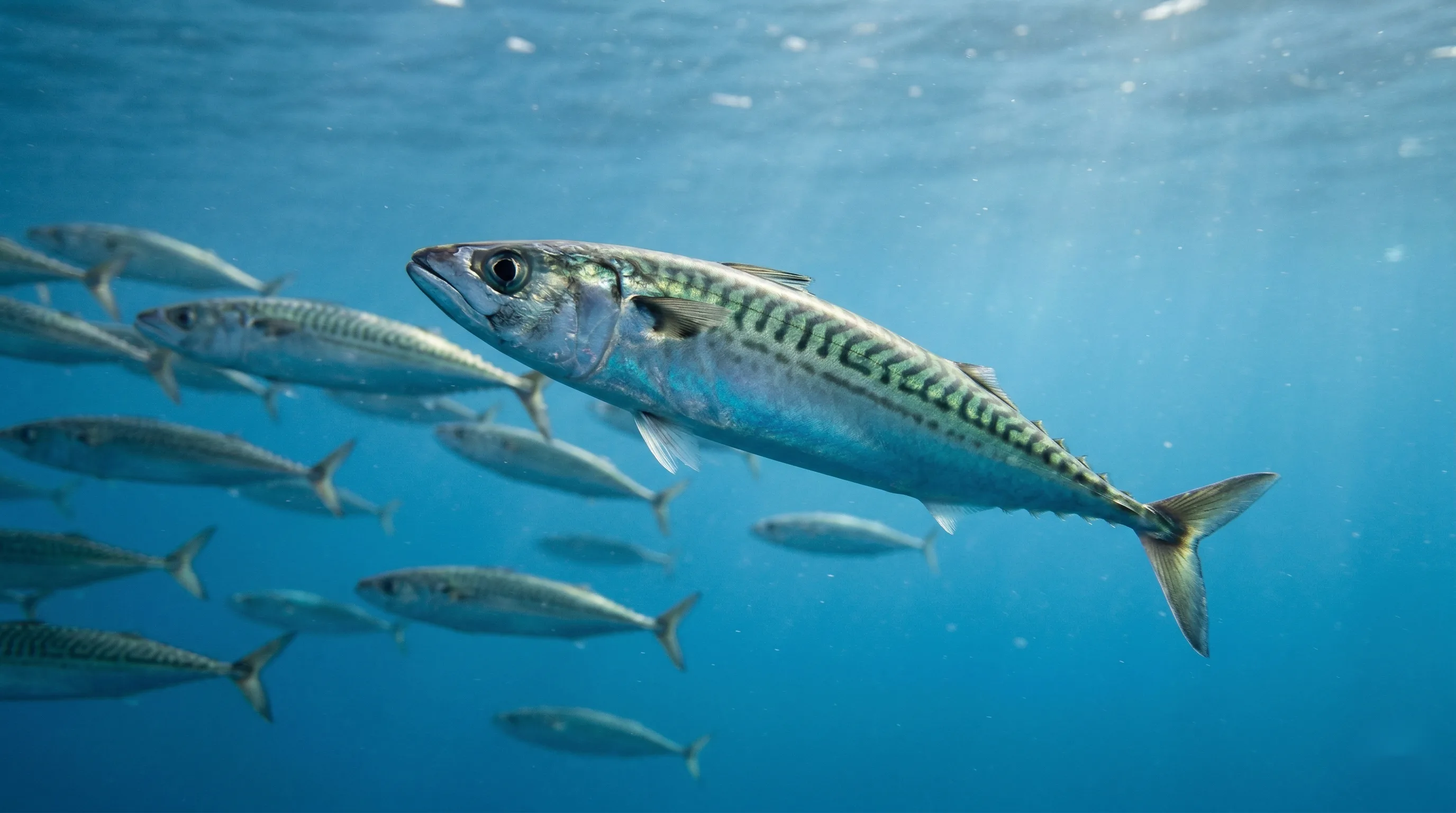
Burbot
Lota lota
Identification
The burbot is the only freshwater member of the cod family. The elongated, slender body is covered with small scales and a thick slime layer. Its hallmark is the single chin barbel on the lower jaw — just like its marine relatives. Color varies from dark brown to olive green with a lighter, marbled pattern. The two dorsal fins (a short front one and a long rear one) and long anal fin are characteristic. Can reach 60 cm, but specimens over 40 cm are rare in the Netherlands.
Behavior & ecology
The burbot is a true winter fish: most active at water temperatures between 1 and 4°C, when virtually all other fish are dormant. Spawning takes place in the middle of winter (December-March) — unique among Dutch freshwater fish. During the day, the burbot hides under rocks, tree roots, and in crevices. At night, it hunts small fish, crustaceans, and insect larvae, relying on its exceptionally developed sense of touch via the chin barbel.
Fishing techniques
Burbot fishing is quintessential winter fishing. The best chances are in the cold months, preferably at night:
- Dead baitfish on the bottom: Small fish or fish strips on a single hook, presented on stony or gravel-rich bottoms near structured banks.
- Worms: Lobworms on the bottom work well, especially with a running lead system.
- Location: Look for stony banks, bridge pillars, and areas with hard substrate. Burbot avoid muddy bottoms.
The bite is often subtle — the burbot picks up the bait calmly. Use sensitive rods and stay alert for small taps.
In the Netherlands
The burbot was once common in the major rivers and IJsselmeer area, but declined sharply in the 20th century due to water pollution, canalization, and the loss of suitable spawning grounds. The species is now very rare and protected. Recent sightings come mainly from the IJssel, Waal, and Maas rivers. Reintroduction programs are underway. Our database holds 368 records, with the oldest from the 19th century.
Upgrade naar Explorer om de beste visplekken voor deze soort te zien.
Seizoenspatronen
Upgrade om seizoensgebonden vangstpatronen voor deze soort te zien.
Belangrijkste voorspellers
Upgrade om de belangrijkste voorspellers en statistische inzichten voor deze soort te zien.