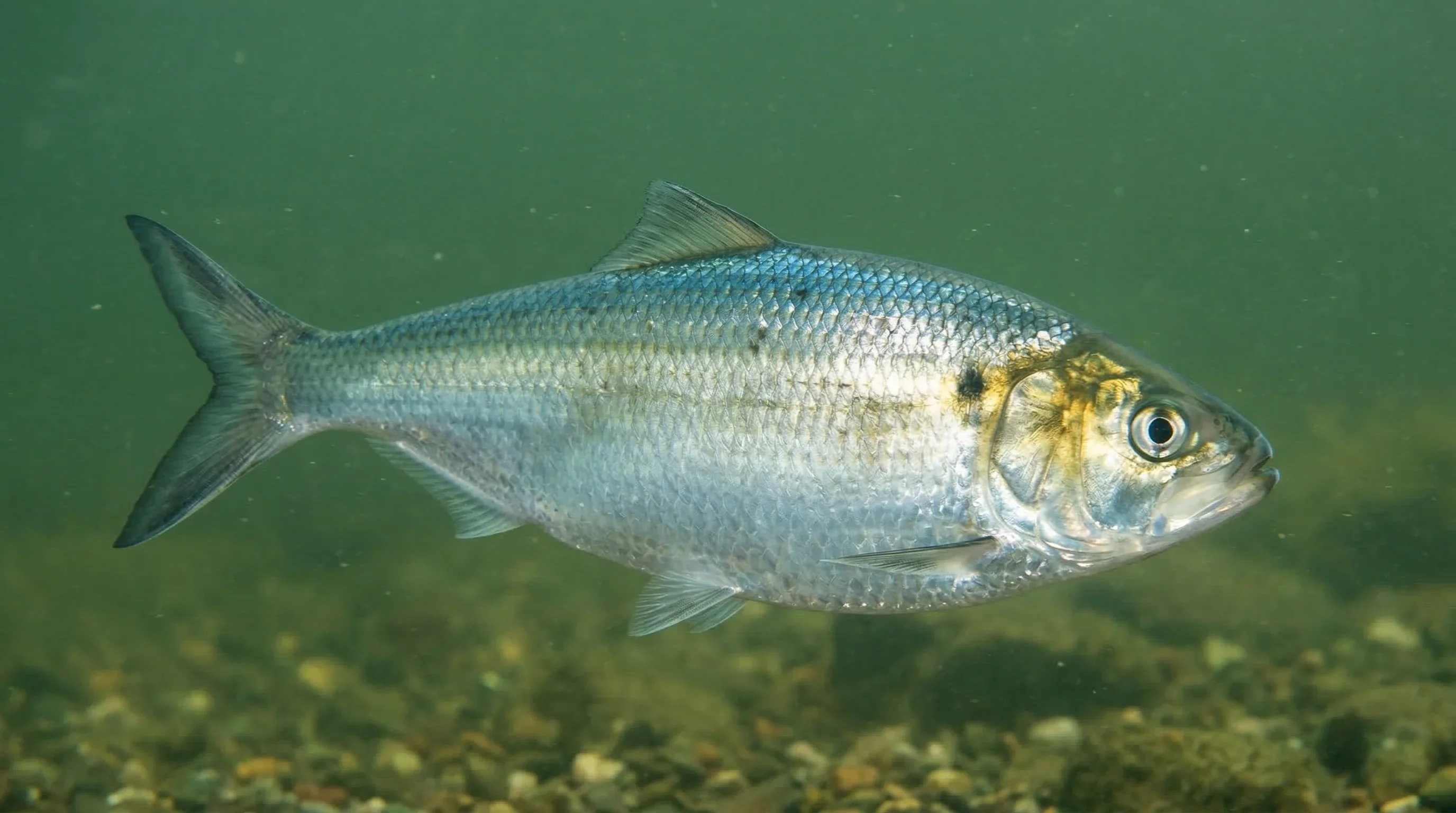
Identification
The European smelt is a small, slender silvery fish with a translucent body. The back is light green to grey-green, the flanks and belly have a silver sheen. Characteristic is the relatively large mouth with sharp teeth — surprisingly predatory for such a small fish. The smelt has a distinctive cucumber smell: freshly caught smelt literally smells of fresh cucumber. An adipose fin behind the dorsal fin reveals kinship with the salmon order. Most specimens are 10-15 cm, but in nutrient-rich waters smelt can grow to 25 cm.
Behavior & ecology
The European smelt is an anadromous fish living in large shoals in the open water of lakes, estuaries and coastal waters. In spring (February-April) smelt migrate up rivers and streams to spawn in shallow flowing water. The species feeds on plankton, small crustaceans and fish larvae. The smelt is a keystone species: it is the primary food source for pikeperch in the IJsselmeer and Markermeer. Declining smelt populations have direct consequences for pikeperch stocks and the entire food chain.
Fishing techniques
The smelt is hardly targeted by sport anglers in the Netherlands, but is historically an important food fish:
- Rod and line — as bycatch when light coarse fishing on the IJsselmeer or Wadden Sea; small hooks (size 18-22) with maggot
- Eel traps — smelt are sometimes caught as bycatch in fyke nets and traps
Fried smelt was once a popular delicacy in Amsterdam and other Zuiderzee cities. Since the closure of commercial smelt fishing in the IJsselmeer, this tradition has largely disappeared.
In the Netherlands
The smelt is native and was historically one of the most abundant fish in the IJsselmeer. Due to the closure of the Zuiderzee (1932) and ecosystem changes, the population has fluctuated greatly. In good years there are billions of smelt in the IJsselmeer; in bad years, hardly any. The species is not on the Red List but commercial smelt fishing has been closed since 2012 to protect pikeperch stocks. The smelt is also found in the Wadden Sea, Zeeland delta and along the North Sea coast.
What our models found for European smelt
Below is what our models see in the data. These are links: where one thing occurs, the other occurs more often. That is not a cause. Each model answers one question and may not say more than it measured. The label by the heading tells you which question — and how sure the answer is.
Where this species lives A set, not a ranking Strong model
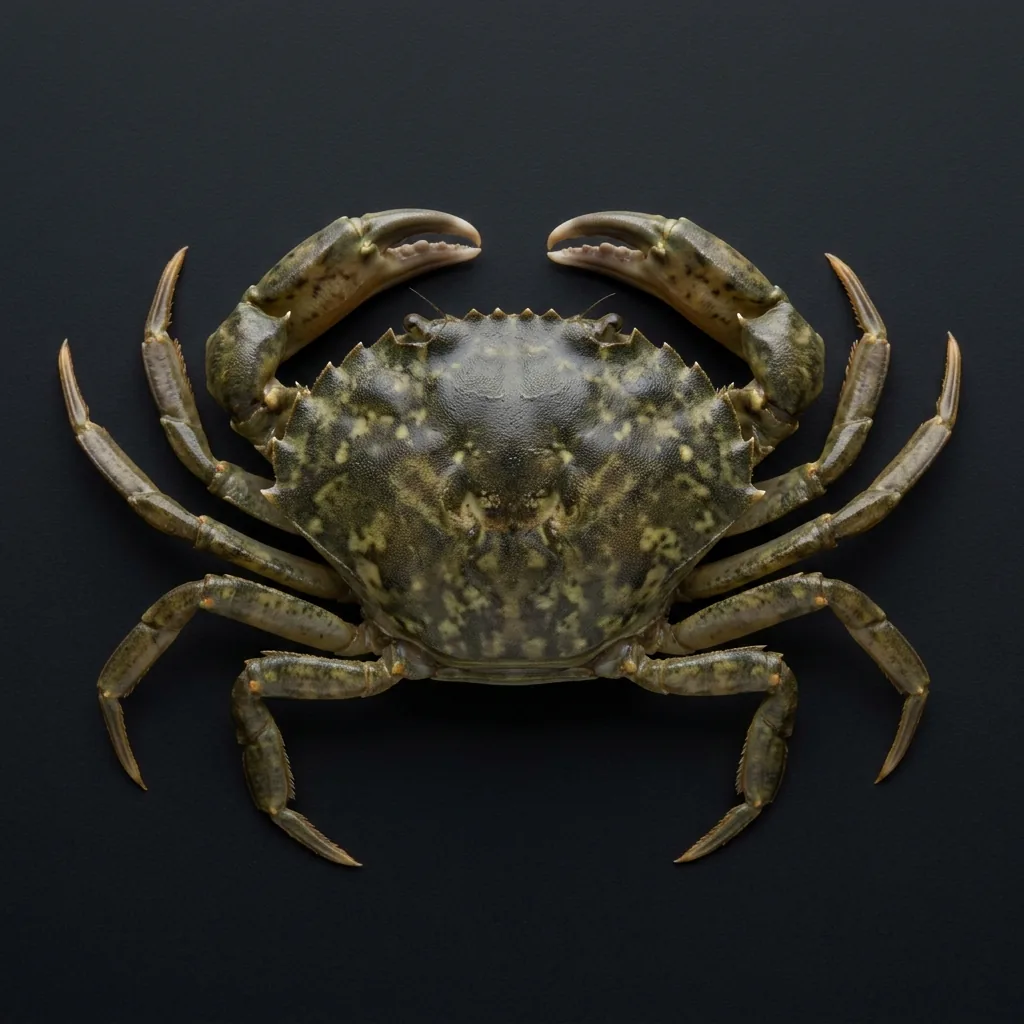 Shore crab (Carcinidae)
Salt and fresh sit side by side all through this list: the brown shrimp, the zander, the shore crab, the ruffe, the Caspian mud shrimp, the five-bearded rockling, the bream, gobies, the sea snail, the eel, the eelpout and the plaice.
That is not a messy list but a consistent one. FishBase calls the smelt a migratory fish of the sea, estuaries and large lakes that runs up the rivers to spawn, with populations that stay in lakes permanently. Our models know only three fish that live in salt AND fresh water like this: the trout, the three-spined stickleback and the smelt.
And its food is in the list itself: the brown shrimp. FishBase says the smelt feeds on shrimps and small crustaceans.
Where there are many A set, not a ranking Strong model
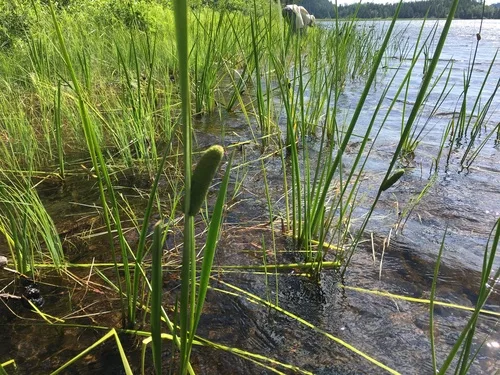 Sweet flag (Acoraceae)
Micro caddisflies (Hydroptilidae), moth flies (Psychodidae), the bank sandhopper (Talitridae) and the waterside plant sweet flag (Acoraceae) go with water where we count fewer smelt.