| European Sprat Sprattus sprattus |
17,922,832 |
1,618 |
1965–2026 |
Habitat · Best fishing spots |
| Atlantic herring Clupea harengus |
6,268,934 |
1,707 |
1965–2026 |
Habitat · Best fishing spots |
| Common dab Limanda limanda |
3,218,111 |
2,106 |
1966–2026 |
Best fishing spots |
| Whiting Merlangius merlangus |
2,549,205 |
2,037 |
1965–2026 |
Best fishing spots |
| Bream Abramis brama |
2,528,189 |
1,215 |
1990–2023 |
Habitat · Best fishing spots · XXL |
| Roach Rutilus rutilus |
2,428,954 |
1,364 |
1990–2024 |
Best fishing spots · XXL |
| Perch Perca fluviatilis |
1,938,593 |
1,376 |
1990–2024 |
Best fishing spots · XXL |
| European plaice Pleuronectes platessa |
1,263,190 |
2,092 |
1966–2026 |
Best fishing spots |
| Atlantic Horse Mackerel Trachurus trachurus |
1,156,595 |
1,095 |
1969–2026 |
Habitat · Best fishing spots |
| Ruffe Gymnocephalus cernuus |
733,801 |
988 |
1990–2023 |
Habitat · Best fishing spots · XXL |
| Raitt's Sandeel Ammodytes marinus |
684,123 |
164 |
1972–2026 |
Habitat |
| White Bream Blicca bjoerkna |
405,337 |
1,012 |
1990–2023 |
Habitat · Best fishing spots · XXL |
| Rudd Scardinius erythrophthalmus |
381,558 |
1,198 |
1990–2023 |
Habitat · Best fishing spots · XXL |
| Haddock Melanogrammus aeglefinus |
258,937 |
572 |
1966–2026 |
Habitat · Best fishing spots |
| Grey Gurnard Eutrigla gurnardus |
256,819 |
1,521 |
1966–2026 |
Habitat · Best fishing spots |
| European smelt Osmerus eperlanus |
255,339 |
434 |
1985–2025 |
Habitat · Best fishing spots |
| Belica Leucaspius delineatus |
254,055 |
757 |
1990–2023 |
Habitat · Best fishing spots |
| Atlantic Mackerel Scomber scombrus |
241,498 |
625 |
1967–2026 |
Habitat · Best fishing spots |
| Common sole Solea solea |
233,879 |
1,460 |
1966–2026 |
Habitat · Best fishing spots |
| Solenette Buglossidium luteum |
218,055 |
1,431 |
1966–2026 |
Habitat · Best fishing spots |
| Dragonet Callionymus lyra |
198,529 |
1,572 |
1966–2026 |
Habitat · Best fishing spots |
| Pike Esox lucius |
194,953 |
1,297 |
1990–2023 |
Best fishing spots · XXL |
| Lesser Weever Echiichthys vipera |
186,502 |
963 |
1966–2026 |
Habitat · Best fishing spots |
| European bitterling Rhodeus amarus |
156,706 |
565 |
1997–2023 |
Habitat · Best fishing spots · XXL |
| Zander Sander lucioperca |
141,058 |
839 |
1990–2024 |
Habitat · Best fishing spots · XXL |
| Scaldfish Arnoglossus laterna |
139,790 |
1,416 |
1967–2026 |
Habitat · Best fishing spots |
| Three-spined stickleback Gasterosteus aculeatus |
139,184 |
998 |
1970–2026 |
Habitat · Best fishing spots |
| Gudgeon Gobio gobio |
116,058 |
802 |
1990–2023 |
Habitat · Best fishing spots · XXL |
| Greater Pipefish Syngnathus acus |
83,385 |
289 |
1970–2026 |
Habitat · Best fishing spots |
| European Pilchard Sardina pilchardus |
71,558 |
199 |
1973–2026 |
Habitat |
| Pouting Trisopterus luscus |
70,571 |
926 |
1965–2026 |
Habitat · Best fishing spots |
| Stone loach Barbatula barbatula |
63,296 |
519 |
1994–2023 |
Habitat · Best fishing spots · XXL |
| Turbot Scophthalmus maximus |
62,263 |
1,151 |
1966–2026 |
Habitat · Best fishing spots |
| Hooknose Agonus cataphractus |
61,458 |
1,195 |
1968–2026 |
Habitat · Best fishing spots |
| Tench Tinca tinca |
61,440 |
1,099 |
1990–2023 |
Habitat · Best fishing spots · XXL |
| Poor Cod Trisopterus minutus |
60,827 |
927 |
1966–2026 |
Habitat · Best fishing spots |
| Atlantic cod Gadus morhua |
57,446 |
1,570 |
1965–2026 |
Habitat · Best fishing spots |
| European Flounder Platichthys flesus |
51,184 |
1,127 |
1966–2026 |
Habitat |
| Carp Cyprinus carpio |
48,041 |
795 |
1990–2023 |
Habitat · Best fishing spots · XXL |
| Tubenose goby Proterorhinus semilunaris |
46,863 |
465 |
2011–2023 |
Habitat · Best fishing spots |
| Spined loach Cobitis taenia |
44,131 |
739 |
1990–2023 |
Habitat · Best fishing spots · XXL |
| Common Goby Pomatoschistus microps |
40,675 |
79 |
2010–2024 |
Habitat |
| Lange schar Hippoglossoides platessoides |
38,856 |
653 |
1966–2026 |
Habitat · Best fishing spots |
| Sand Goby Pomatoschistus minutus |
38,787 |
316 |
1967–2022 |
Habitat · Best fishing spots |
| Greater Sandeel Hyperoplus lanceolatus |
34,820 |
740 |
1966–2026 |
Habitat · Best fishing spots |
| Nine-spined stickleback Pungitius pungitius |
34,733 |
694 |
1994–2023 |
Habitat · Best fishing spots |
| European Anchovy Engraulis encrasicolus |
32,898 |
376 |
1970–2026 |
Habitat · Best fishing spots |
| Round goby Neogobius melanostomus |
30,693 |
329 |
2008–2025 |
Habitat · Best fishing spots · XXL |
| Shorthorn Sculpin Myoxocephalus scorpius |
30,335 |
725 |
1970–2026 |
Habitat · Best fishing spots |
| Lemon Sole Microstomus kitt |
28,722 |
891 |
1966–2026 |
Habitat · Best fishing spots |
| Eel Anguilla anguilla |
26,383 |
1,223 |
1968–2025 |
Habitat · Best fishing spots · XXL |
| Fivebeard Rockling Ciliata mustela |
24,639 |
402 |
1969–2026 |
Habitat · Best fishing spots |
| Eelpout Zoarces viviparus |
21,742 |
244 |
1966–2025 |
Habitat · Best fishing spots |
| Fourbeard Rockling Enchelyopus cimbrius |
20,591 |
623 |
1966–2026 |
Habitat · Best fishing spots |
| Ide Leuciscus idus |
19,695 |
652 |
1990–2023 |
Habitat |
| Bleak Alburnus alburnus |
17,470 |
270 |
2011–2023 |
Habitat · Best fishing spots |
| Small Sandeel Ammodytes tobianus |
17,448 |
137 |
1978–2026 |
Habitat |
| Tub Gurnard Chelidonichthys lucerna |
15,196 |
1,028 |
1985–2026 |
Habitat · Best fishing spots |
| Surmullet Mullus surmuletus |
14,474 |
671 |
1976–2026 |
Habitat · Best fishing spots |
| Nilsson's Pipefish Syngnathus rostellatus |
14,219 |
465 |
1973–2026 |
Habitat · Best fishing spots |
| Striped Seasnail Liparis liparis |
13,782 |
368 |
1970–2025 |
Habitat · Best fishing spots |
| Caucasian Dwarf Goby Knipowitschia caucasica |
11,943 |
63 |
2020–2023 |
Habitat |
| Brill Scophthalmus rhombus |
10,766 |
891 |
1966–2026 |
Habitat · Best fishing spots |
| Prussian carp Carassius gibelio |
10,254 |
298 |
1990–2023 |
Habitat · Best fishing spots |
| Stream bullhead Cottus rhenanus |
9,418 |
15 |
2012–2023 |
– |
| Eastern mudminnow Umbra pygmaea |
8,954 |
69 |
1996–2023 |
Habitat |
| European Seabass Dicentrarchus labrax |
7,827 |
176 |
1977–2026 |
Habitat · Best fishing spots |
| Lozano's Goby Pomatoschistus lozanoi |
7,801 |
98 |
2006–2022 |
Habitat |
| Common dace Leuciscus leuciscus |
6,906 |
97 |
1994–2023 |
Habitat · Best fishing spots |
| Pumpkinseed Lepomis gibbosus |
6,542 |
233 |
1998–2023 |
Habitat · Best fishing spots |
| Eurasian Minnow Phoxinus phoxinus |
6,082 |
19 |
2003–2022 |
– |
| Tubenose goby Proterorhinus marmoratus |
5,936 |
177 |
2007–2022 |
Habitat |
| Twaite shad Alosa fallax |
5,869 |
249 |
1968–2024 |
Habitat · Best fishing spots |
| Chub Leuciscus cephalus |
5,798 |
115 |
1994–2023 |
Habitat |
| Lesser Spotted Dogfish Scyliorhinus canicula |
5,215 |
332 |
1990–2026 |
Habitat |
| Atlantic Salmon Salmo salar |
5,161 |
16 |
1992–2022 |
– |
| Spotted Dragonet Callionymus maculatus |
4,989 |
93 |
1989–2026 |
Habitat |
| Asp Aspius aspius |
4,409 |
401 |
1994–2023 |
Habitat · Best fishing spots |
| Crucian Carp Carassius carassius |
4,309 |
190 |
1990–2023 |
Habitat · Best fishing spots |
| Monkey goby Neogobius fluviatilis |
4,124 |
109 |
2010–2023 |
Habitat |
| Grass Carp Ctenopharyngodon idella |
3,290 |
151 |
1991–2023 |
Habitat |
| Bullhead Cottus perifretum |
3,198 |
80 |
2011–2023 |
Habitat · Best fishing spots |
| Rock Gunnel Pholis gunnellus |
3,189 |
242 |
1985–2025 |
Habitat · Best fishing spots |
| Stone Moroko Pseudorasbora parva |
3,072 |
98 |
1999–2023 |
Habitat |
| Corbin's Sandeel Hyperoplus immaculatus |
2,985 |
21 |
1992–2024 |
– |
| Snake Pipefish Entelurus aequoreus |
2,443 |
151 |
1986–2026 |
Habitat |
| Trout Salmo trutta |
2,305 |
66 |
1980–2022 |
Habitat · Best fishing spots |
| Barbel Barbus barbus |
2,249 |
34 |
1999–2022 |
Habitat |
| Sand Smelt Atherina presbyter |
2,159 |
62 |
1985–2025 |
Habitat |
| Reticulated Dragonet Callionymus reticulatus |
2,042 |
326 |
1975–2026 |
Habitat · Best fishing spots |
| Brook Lamprey Lampetra planeri |
1,805 |
32 |
1994–2023 |
– |
| Norway Pout Trisopterus esmarkii |
1,594 |
115 |
1967–2026 |
Habitat |
| Bullhead Cottus gobio |
1,464 |
188 |
1994–2016 |
Habitat · Best fishing spots |
| Rainbow trout Oncorhynchus mykiss |
982 |
17 |
1991–2021 |
Habitat |
| Thornback Ray Raja clavata |
873 |
254 |
1966–2026 |
Habitat |
| Brown Bullhead Ameiurus nebulosus |
752 |
7 |
1996–2023 |
– |
| Starry Ray Amblyraja radiata |
705 |
175 |
1966–2026 |
Habitat |
| Black Goby Gobius niger |
699 |
35 |
1987–2025 |
– |
| Long-spined Sea Scorpion Taurulus bubalis |
680 |
80 |
1992–2026 |
Habitat |
| River Lamprey Lampetra fluviatilis |
612 |
91 |
1991–2025 |
Habitat |
| Spotted Ray Raja montagui |
605 |
164 |
1978–2026 |
Habitat |
| Spiny Dogfish Squalus acanthias |
539 |
125 |
1966–2026 |
Habitat |
| Garfish Belone belone |
515 |
140 |
1985–2025 |
Habitat |
| Starry Smooth Hound Mustelus asterias |
509 |
83 |
1991–2026 |
Habitat |
| Naakte zandspiering Gymnammodytes semisquamatus |
487 |
13 |
2001–2026 |
– |
| Common Nase Chondrostoma nasus |
479 |
29 |
1994–2021 |
– |
| Wels Catfish Silurus glanis |
429 |
66 |
1999–2023 |
Habitat |
| Goldfish Carassius auratus |
369 |
75 |
1995–2022 |
Habitat |
| Bighead goby Neogobius kessleri |
363 |
54 |
2010–2023 |
Habitat |
| Scharretong Lepidorhombus whiffiagonis |
356 |
58 |
1966–2009 |
Habitat |
| Transparent Goby Aphia minuta |
317 |
38 |
1972–2026 |
– |
| Lumpfish Cyclopterus lumpus |
316 |
199 |
1970–2026 |
Habitat |
| Three-bearded Rockling Gaidropsarus vulgaris |
286 |
65 |
1969–2024 |
Habitat |
| Witje Glyptocephalus cynoglossus |
266 |
68 |
1974–2025 |
Habitat |
| Dwergbot Phrynorhombus norvegicus |
248 |
28 |
1979–2024 |
– |
| Weatherfish Misgurnus fossilis |
226 |
64 |
1990–2023 |
Habitat |
| Short-snouted Seahorse Hippocampus hippocampus |
217 |
77 |
2008–2025 |
Habitat |
| Montagu's Seasnail Liparis montagui |
201 |
5 |
1994–2014 |
– |
| Thicklip Grey Mullet Chelon labrosus |
173 |
30 |
1992–2022 |
– |
| Greater Weever Trachinus draco |
144 |
49 |
1983–2025 |
– |
| European Hake Merluccius merluccius |
142 |
68 |
1985–2024 |
Habitat |
| Tope Galeorhinus galeus |
140 |
66 |
1990–2025 |
Habitat |
| Blauwe wijting Micromesistius poutassou |
113 |
17 |
1968–2022 |
– |
| Northern Weather Loach Misgurnus bipartitus |
108 |
7 |
2021 |
– |
| Long-snouted Seahorse Hippocampus guttulatus |
97 |
7 |
2000–2024 |
– |
| Houting Coregonus oxyrinchus |
84 |
11 |
2010–2022 |
– |
| Red Mullet Mullus barbatus |
72 |
19 |
2004–2008 |
– |
| Sea Lamprey Petromyzon marinus |
72 |
25 |
1985–2023 |
– |
| Angler Lophius piscatorius |
71 |
42 |
1976–2025 |
– |
| Black Bullhead Ameiurus melas |
69 |
9 |
2009–2022 |
– |
| John Dory Zeus faber |
68 |
39 |
1973–2025 |
– |
| Red Gurnard Chelidonichthys cuculus |
67 |
15 |
1991–2026 |
– |
| Spirlin Alburnoides bipunctatus |
65 |
6 |
2020–2021 |
– |
| Burbot Lota lota |
64 |
13 |
1999–2022 |
– |
| Saithe Pollachius virens |
61 |
35 |
1968–2021 |
– |
| Sea Stickleback Spinachia spinachia |
49 |
5 |
1991–2022 |
– |
| Bighead Carp Hypophthalmichthys nobilis |
45 |
8 |
1998–2014 |
– |
| Pollack Pollachius pollachius |
44 |
21 |
1976–2023 |
– |
| Sand Sole Pegusa lascaris |
41 |
18 |
1993–2026 |
– |
| Dikrugtong Microchirus variegatus |
32 |
15 |
1990–2026 |
– |
| Big-scale Sand Smelt Atherina boyeri |
30 |
17 |
2002–2014 |
– |
| Topknot Zeugopterus punctatus |
30 |
17 |
1991–2010 |
– |
| Crystal Goby Crystallogobius linearis |
29 |
10 |
2000–2022 |
– |
| Silvery Lightfish Maurolicus muelleri |
29 |
9 |
1966–2022 |
– |
| Common Ling Molva molva |
29 |
18 |
1966–2011 |
– |
| Pond Loach Misgurnus anguillicaudatus |
25 |
4 |
2012–2020 |
– |
| Allis Shad Alosa alosa |
24 |
14 |
1971–2019 |
– |
| IJslandse bandvis Lumpenus lampretaeformis |
18 |
11 |
1968–2006 |
– |
| Black Seabream Spondyliosoma cantharus |
18 |
10 |
1991–2025 |
– |
| Grayling Thymallus thymallus |
13 |
5 |
2012–2016 |
– |
| Kleine zilversmelt Argentina sphyraena |
11 |
3 |
1979–2010 |
– |
| Brook Trout Salvelinus fontinalis |
11 |
3 |
2008–2013 |
– |
| Thinlip Grey Mullet Chelon ramada |
9 |
5 |
2022–2026 |
– |
| Northern Rockling Ciliata septentrionalis |
9 |
2 |
2020–2026 |
– |
| Silver Carp Hypophthalmichthys molitrix |
8 |
5 |
2001–2021 |
– |
| Tompot Blenny Parablennius gattorugine |
8 |
8 |
2014–2024 |
– |
| European Sturgeon Acipenser sturio |
7 |
5 |
2008–2014 |
– |
| Tadpole Fish Raniceps raninus |
6 |
6 |
1992–2007 |
– |
| Vimba Bream Vimba vimba |
6 |
2 |
2005–2010 |
– |
| Blackbelly Rosefish Helicolenus dactylopterus |
5 |
5 |
1994–2023 |
– |
| Kleine roodbaars Sebastes viviparus |
5 |
3 |
1993–2003 |
– |
| Atlantic Wolffish Anarhichas lupus |
4 |
4 |
1984–1993 |
– |
| Golden Grey Mullet Chelon auratus |
4 |
4 |
1994–2024 |
– |
| European Conger Conger conger |
4 |
4 |
2020–2026 |
– |
| European Whitefish Coregonus lavaretus |
4 |
4 |
2009–2014 |
– |
| Grijze zeeduivel Lophius budegassa |
4 |
2 |
2006–2008 |
– |
| Salema Sarpa salpa |
3 |
2 |
2007–2008 |
– |
| Broadnosed Pipefish Syngnathus typhle |
3 |
3 |
2022–2026 |
– |
| Atlantic Pomfret Brama brama |
2 |
1 |
2023 |
– |
| Goldsinny Wrasse Ctenolabrus rupestris |
2 |
2 |
2005–2015 |
– |
| Atlantic Halibut Hippoglossus hippoglossus |
2 |
2 |
2009 |
– |
| Slijmprik Myxine glutinosa |
2 |
1 |
2009 |
– |
| Painted Goby Pomatoschistus pictus |
2 |
2 |
2012 |
– |
| Gilthead Seabream Sparus aurata |
2 |
2 |
2025 |
– |
| Corkwing Wrasse Symphodus melops |
2 |
2 |
2002–2025 |
– |
| Sterlet Acipenser ruthenus |
1 |
1 |
2021 |
– |
| Zope Ballerus ballerus |
1 |
1 |
2010 |
– |
| Vendace Coregonus albula |
1 |
1 |
2008 |
– |
| Ocean Sunfish Mola mola |
1 |
1 |
1992 |
– |
| Worm Pipefish Nerophis lumbriciformis |
1 |
1 |
2022 |
– |
| Gewone zeebrasem Pagellus erythrinus |
1 |
1 |
1991 |
– |
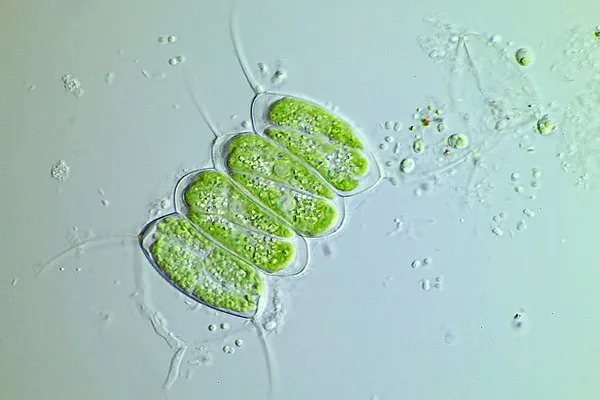 Scenedesmaceae
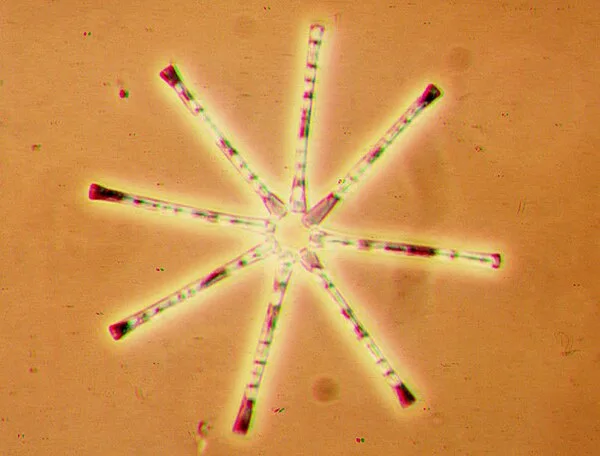 Fragilariaceae
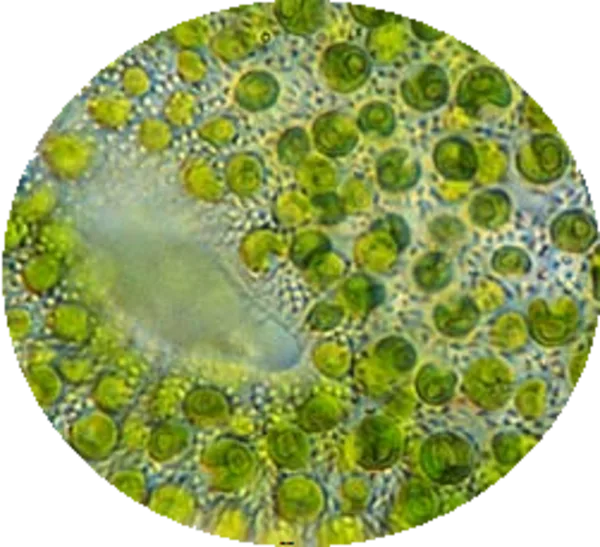 Chlorellaceae
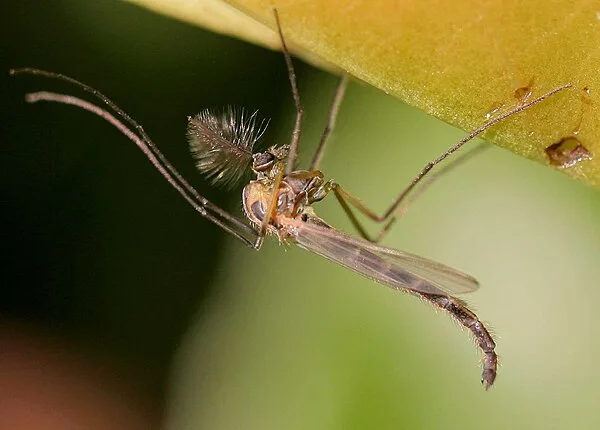 Chironomidae
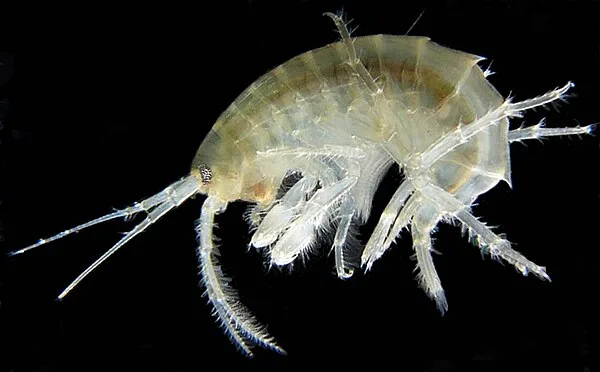 Gammaridae
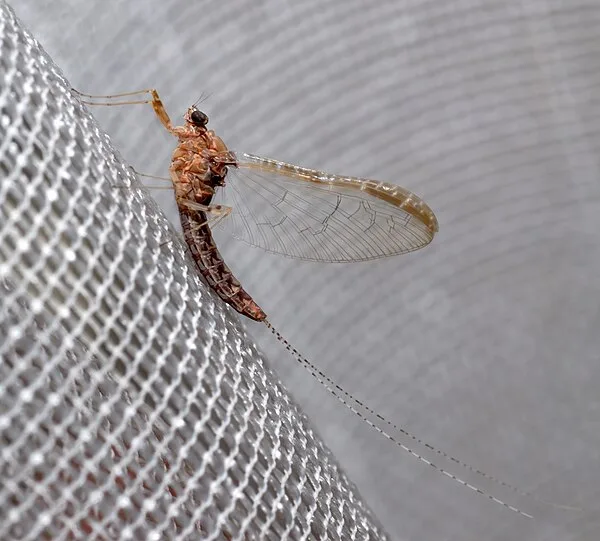 Baetidae
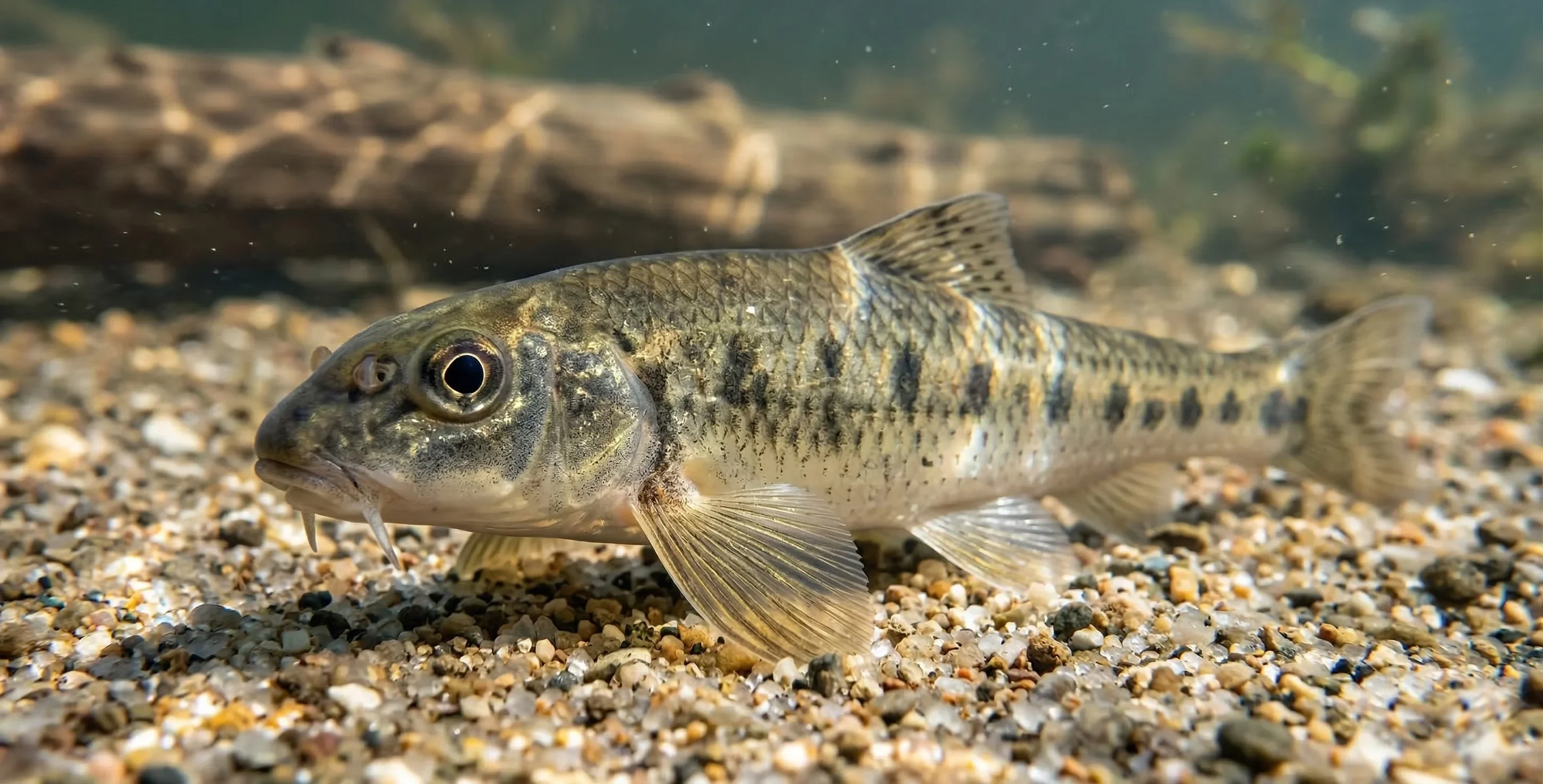 Gudgeon
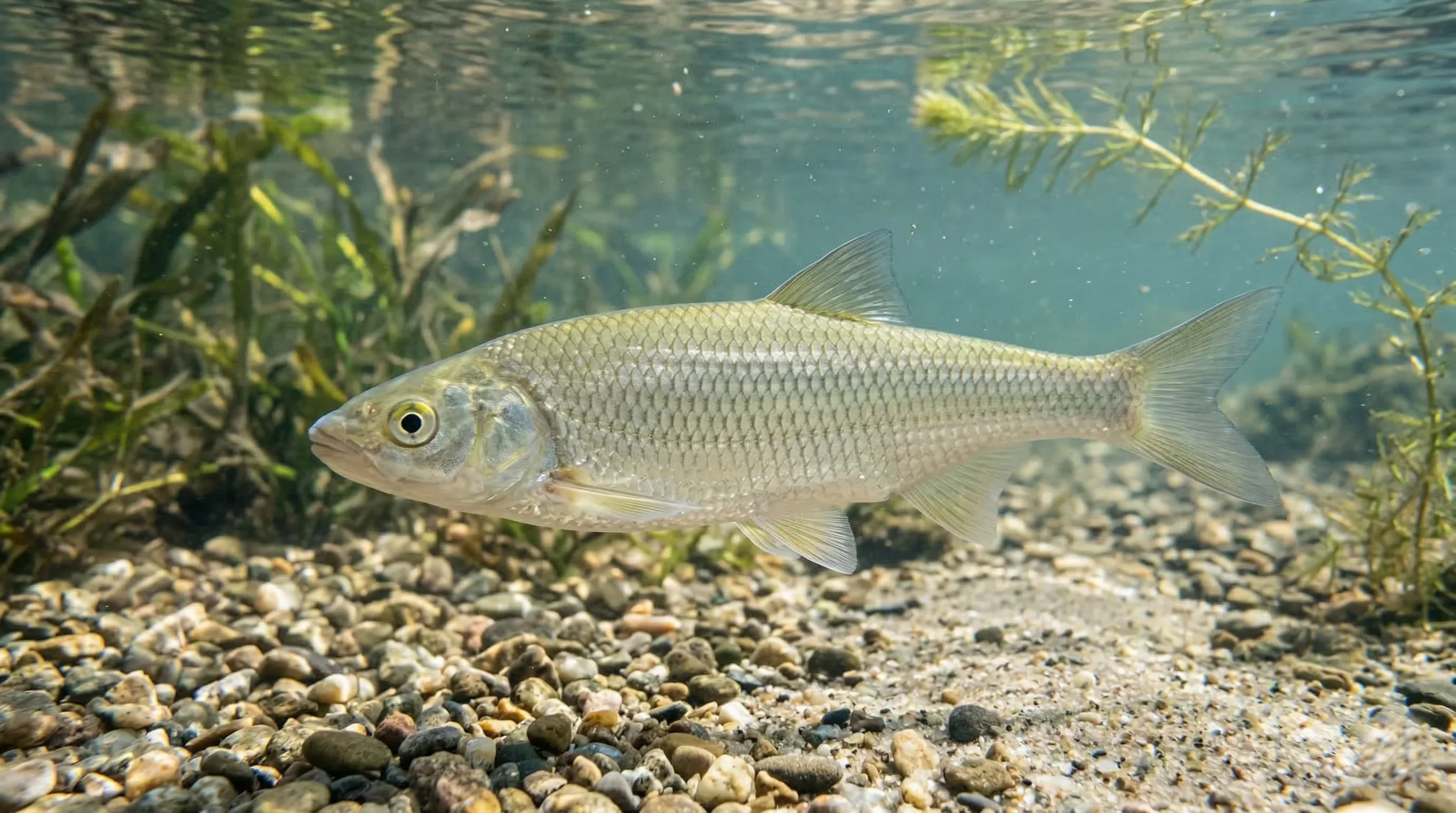 Common Dace
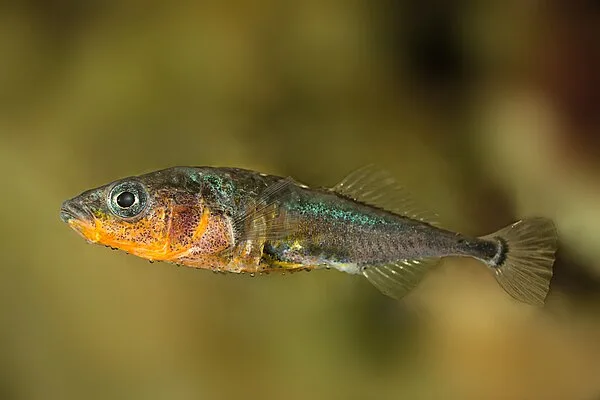 Stickleback
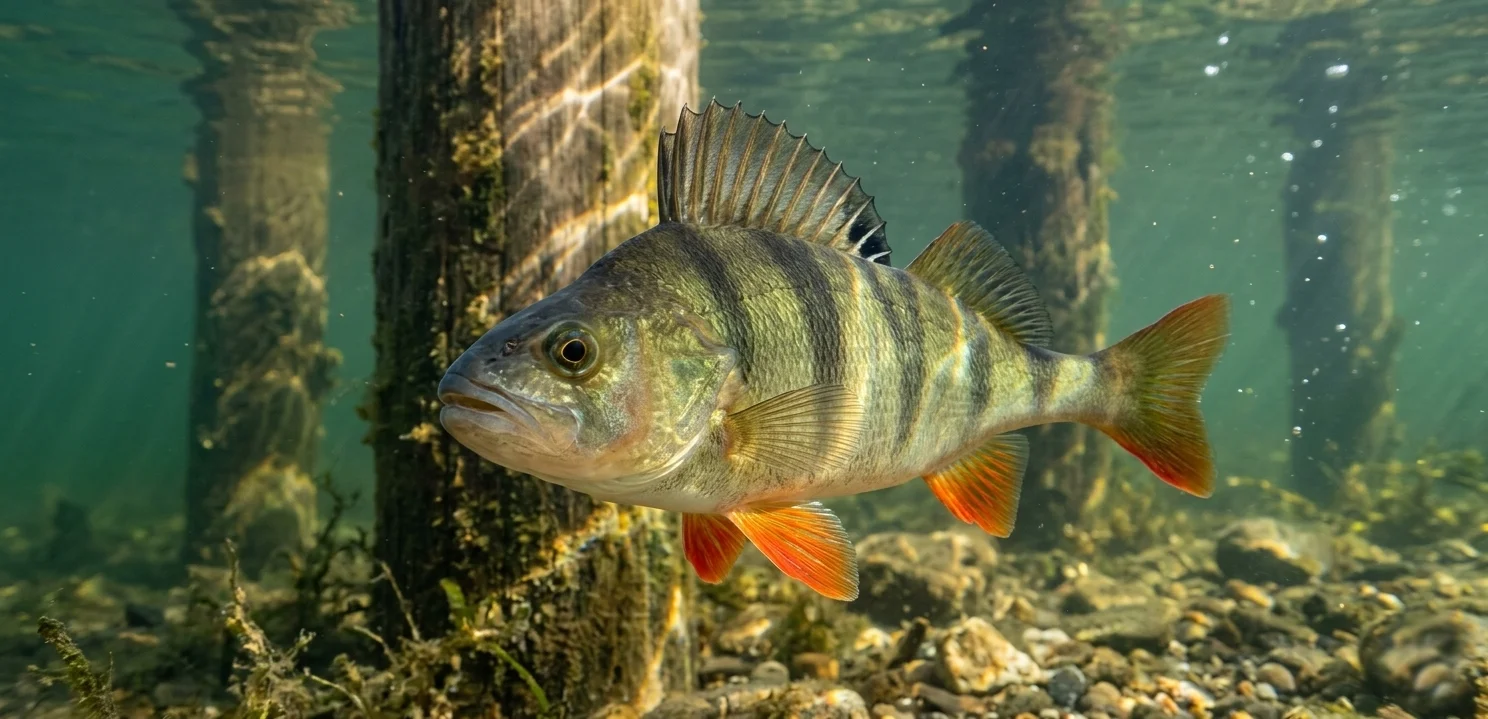 Perch
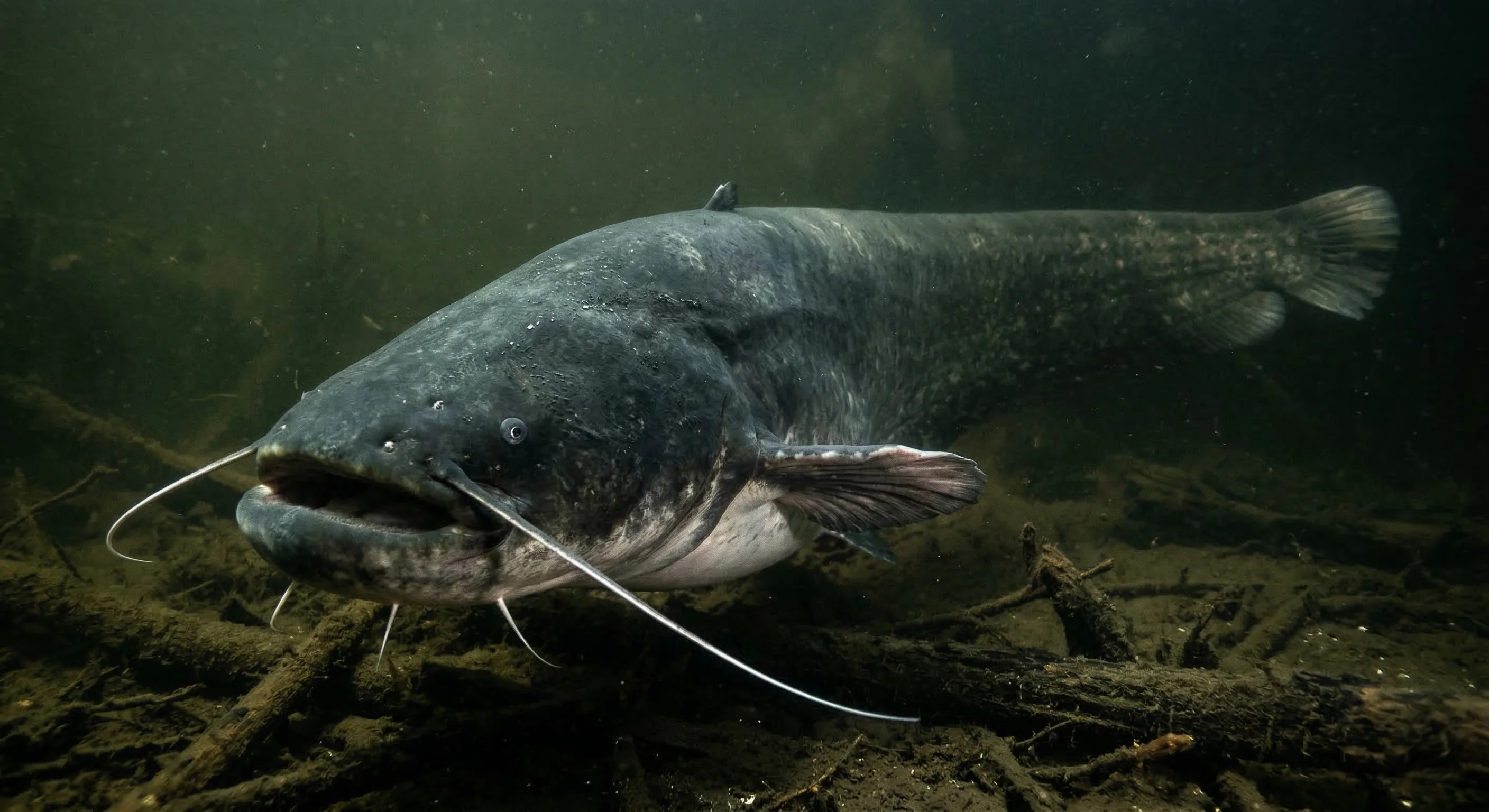 Catfish
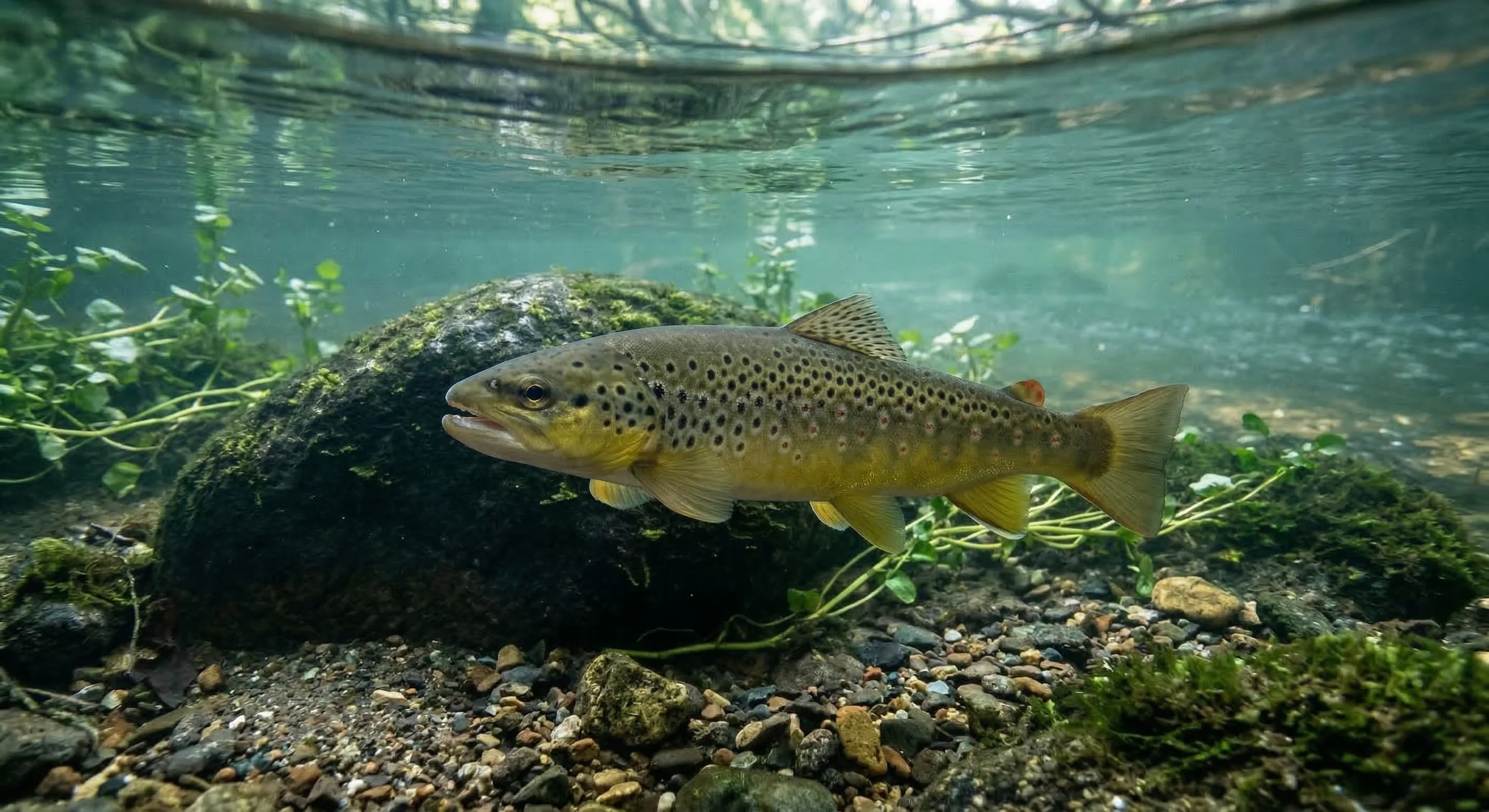 Brown Trout