Identification
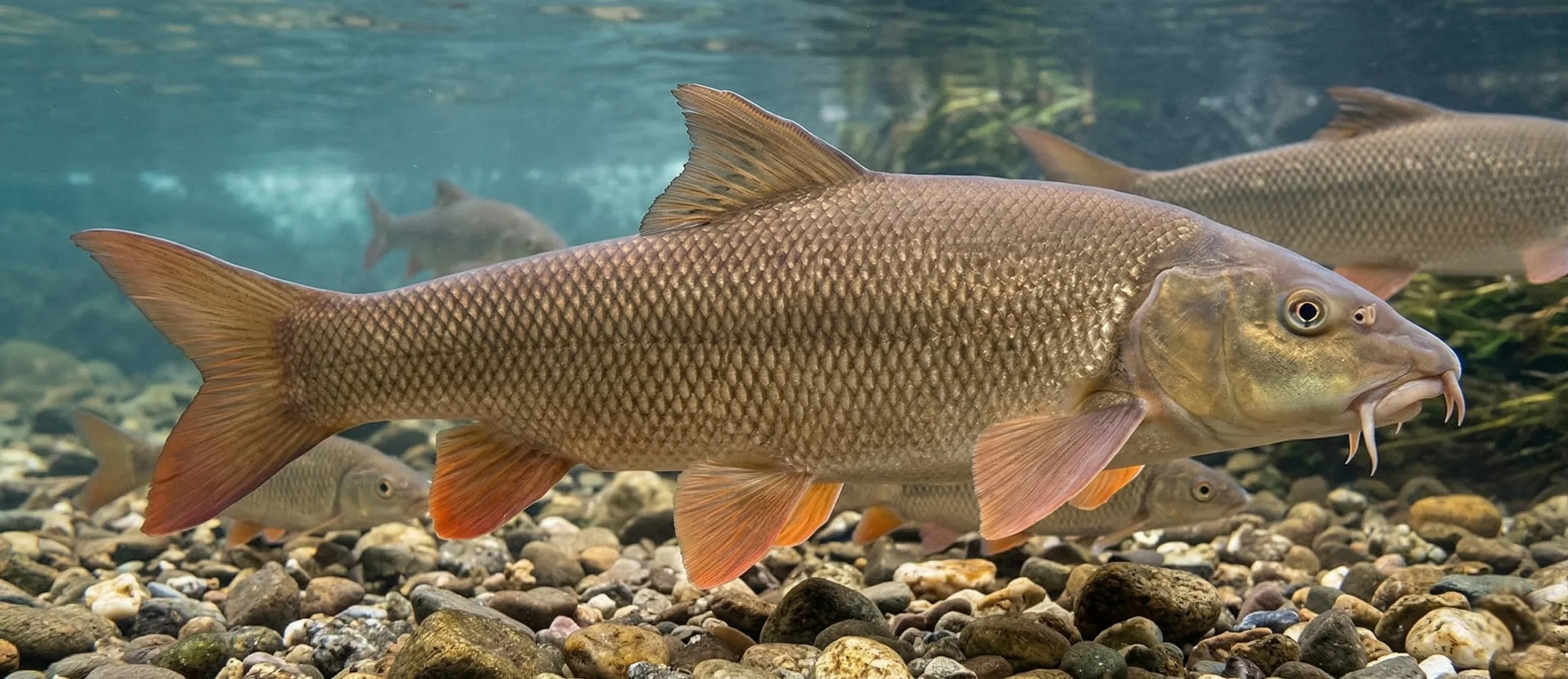
The white bream closely resembles the common bream but is smaller and broader with a noticeably higher back. The key distinction: white bream has reddish pectoral and pelvic fins, while those of common bream are grey. Other identifying features include relatively large eyes (larger than common bream of the same length), bigger scales, and a shorter anal fin. The mouth is smaller and less protrusible than that of common bream. Typical catch size is 15–25 cm, with specimens occasionally exceeding 30 cm. Small white bream are often confused with young common bream — always check the fin color.
Behavior & ecology
The white bream is a schooling fish that lives in mixed groups with common bream, roach, and ruffe. It prefers still to slow-flowing water with a muddy bottom. Its diet consists of small invertebrates, midge larvae, worms, and some plant material — white bream feeds both on the bottom and in mid-water. Spawning occurs in May–June, when males develop a granular spawning rash on head and body. Eggs are deposited on aquatic plants in shallow, sheltered zones.
Fishing techniques
White bream is not typically a primary target species but is very frequently caught while coarse fishing and feeder fishing. Effective methods include:
- Float fishing with maggots, casters, or small worms from mid-depth to bottom — white bream bites more delicately than common bream
- Light feeder fishing with a small hook (size 14–18) and a single maggot or worm
- Match fishing in canals and ponds, where white bream often makes the difference as reliable bycatch
Peak months are July and August (together 42% of all catches), though May and June are also productive. White bream is active throughout the season at temperatures of 12–18°C.
In the Netherlands
White bream is one of the most widespread fish species in the Netherlands, found across more than 1,600 different areas. It occurs most frequently in canals (24%), ponds (12%), waterways (11%), and rivers (10%) — essentially everywhere that common bream and roach are found. With over 108,000 registered catches, white bream is ubiquitous in Dutch inland waters. In match fishing competitions, white bream is a well-known “filler” that provides consistent weight on the scales.
What our models found for White Bream
Below is what our models see in the data. These are links: where one thing occurs, the other occurs more often. That is not a cause. Each model answers one question and may not say more than it measured. The label by the heading tells you which question — and how sure the answer is.
Where this species lives Strong model
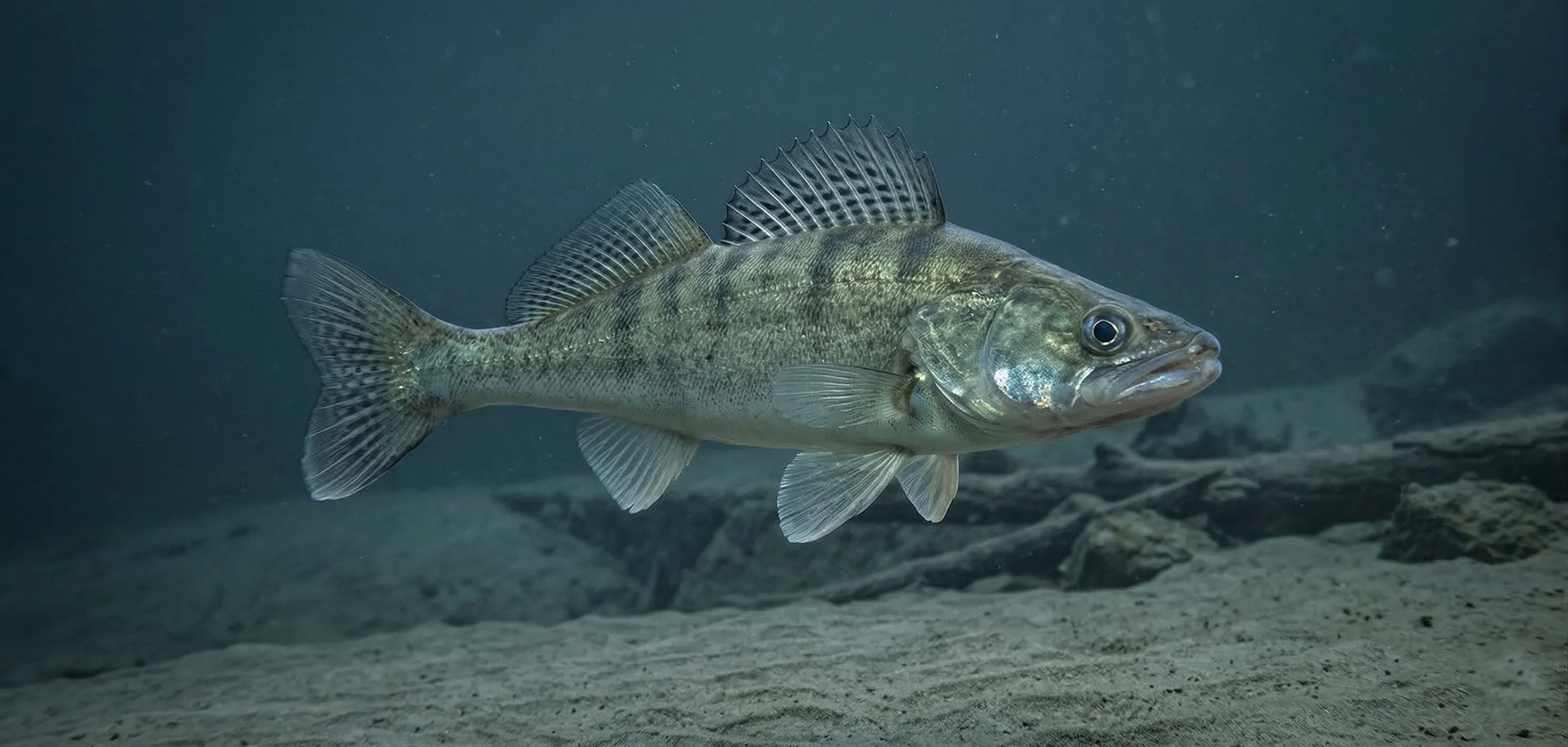 Zander (Sander lucioperca)
The heaviest names in this model are bream and ruffe. They say little: they live in almost every Dutch freshwater. Two names do separate silver bream water from other water, and those are zander and bleak. Both are fish of bigger, more open water.
Where there are many A set, not a ranking Weak model
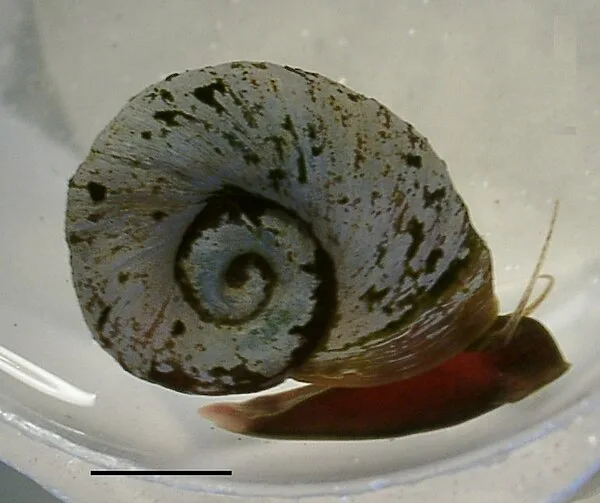 Ramshorn snails (Planorbidae)
Plenty of silver bream goes with ramshorn snails (Planorbidae) and the Caspian mud shrimp (Corophiidae) — a small crustacean that builds tubes on hard bottoms in big rivers. Mayflies (Caenidae), the black alder (Betulaceae) and diatoms from the families Cymbellaceae and Rhaphoneidaceae are in that group too.
We count fewer silver bream near bank plants: branched bur-reed (Typhaceae), yellow iris (Iridaceae) and hemp-agrimony (Asteraceae). Single-celled green algae of the family Monomastigaceae belong there as well.
The whole group points at one difference: big open water against small, weedy water.
Where they grow big Strong model
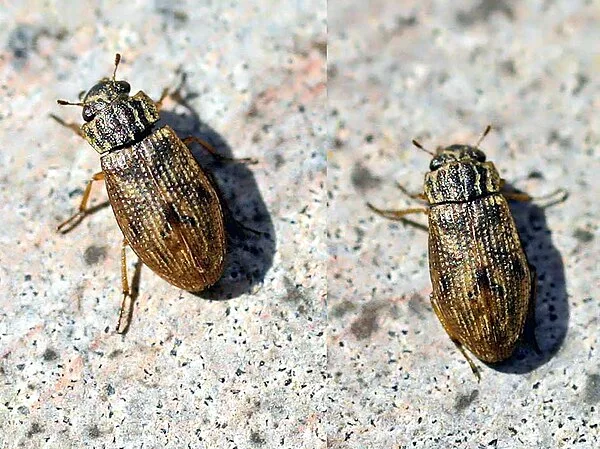 Water scavenger beetles (Helophoridae)
This model counts only silver bream from 9.4 centimetres up: 180,789 measured fish. Top of the list are water scavenger beetles (Helophoridae), with BIGGER fish.
Then come small bugs of the family Hebridae with smaller silver bream. They live on wet, mossy banks. Next the diatom Skeletonema potamos (Thalassiosiraceae) with bigger fish, and the spined loach with smaller. Duckweed (Araceae) and water figwort (Scrophulariaceae) also go with smaller silver bream.
That is the same divide as above, but measured on the LENGTH of the fish. Duckweed, figwort and the spined loach belong to small, shallow, weedy water. The diatom and the New Zealand mud snail (Tateidae) belong to big rivers and lakes. Two separate models, one line.
FishBase says the silver bream spawns along shorelines on submerged vegetation. That clashes with what we measure: near weedy banks we count fewer and smaller silver bream. We do not know how that fits. One possible explanation is that spawning lasts a few weeks and the fish sits elsewhere the rest of the year. We have not measured that.
And again zander sits with BIGGER fish. The perch page and the roach page carry that same name in that same place. Three prey species, three separate models, the same direction every time. Why, we do not know.