Identification
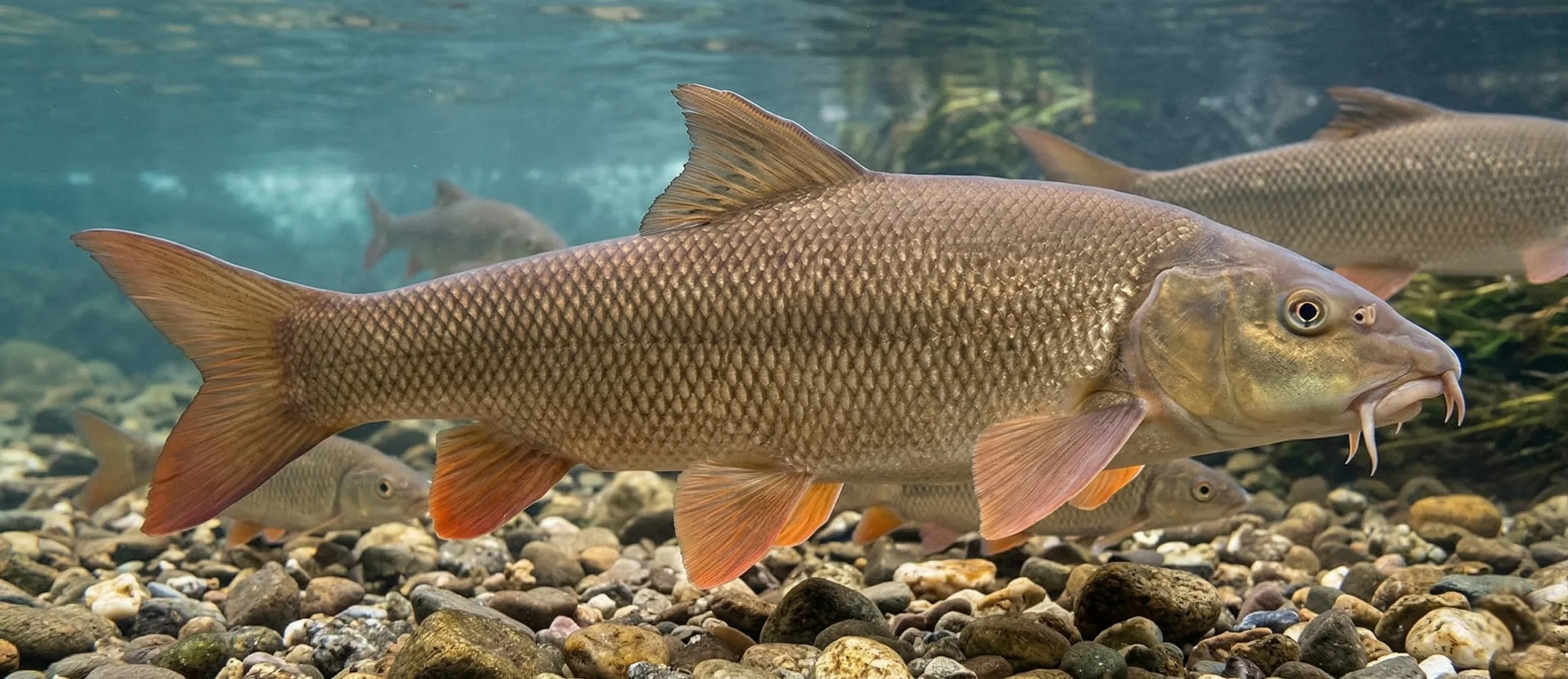
The crucian carp is a stocky, deep-bodied cyprinid with distinctly golden to bronze-colored scales. The key difference from the gibel carp — with which it is often confused — is the light-colored peritoneum (abdominal lining): in the crucian it is pale, in the gibel it is black. Additionally, the crucian has a more rounded snout and larger scales. Specimens up to 35 cm are normal, but in optimal conditions crucian carp up to 55 cm are caught.
Behavior & ecology
The crucian carp is a true pond specialist that survives extreme conditions. The species is one of the few fish that can survive in oxygen-poor, shallow waters that freeze over in winter — thanks to a unique ability to convert lactic acid into ethanol. The crucian is a bottom feeder that eats insect larvae, snails, worms and plant material. Spawning takes place in May-June when water exceeds 17°C, among dense aquatic vegetation.
Fishing techniques
The crucian carp is a classic for float fishing. A light float with a small hook (size 10-14) and a single maggot or small worm is the standard setup. Feed lightly with small amounts of maggots or breadcrumbs.
- Bait: maggots, small worms, bread flake, corn
- Method: light float, fine tackle (2-4 lb line)
- Method feeder: small method feeder with mini boilie — particularly effective for larger crucian carp
- Time: early morning and late evening, especially in overcast conditions
The best locations are shallow ponds, polder ditches and urban waters with muddy bottoms and aquatic plants. Look for spots with cover from duckweed or water lilies.
In the Netherlands
The crucian carp is a native species historically found throughout the Netherlands in ponds, polder ditches and small lakes. However, the species is under pressure from hybridization with the non-native gibel carp and from loss of suitable habitat (overgrowth or filling of small waters). In many waters, the pure crucian carp has become rarer. The species is ecologically valuable as an indicator of healthy, small-scale waters — the classic Dutch pond with muddy bottom and aquatic plants.
What our models found for Crucian Carp
Below is what our models see in the data. These are links: where one thing occurs, the other occurs more often. That is not a cause. Each model answers one question and may not say more than it measured. The label by the heading tells you which question — and how sure the answer is.
Where this species lives Strong model
 Tench (Tinca tinca)
Carp comes first, with tench just behind. The carp appears in two columns — as a species and as a subspecies — which the page adds together. Then come rudd, bream and roach, and a little further down the silver bream: the company of still, weedy water.
Further down it gets more specific. Sunbleak and bitterling are small fish of small water. And greater bladderwort (Lentibulariaceae) is a rootless water plant that catches insects in small bladders. That plant grows in still, shallow water. American crayfish (Cambaridae) are in the list too.
One water value in this model stands out: oxygen. FishBase says the crucian carp survives very low oxygen levels, including under ice, and tolerates organic pollution. Those fit together. But note: this model gives no direction. That low oxygen is the explanation here is not something we measured.
Where there are many Weak model
 Hydra (Hydridae)
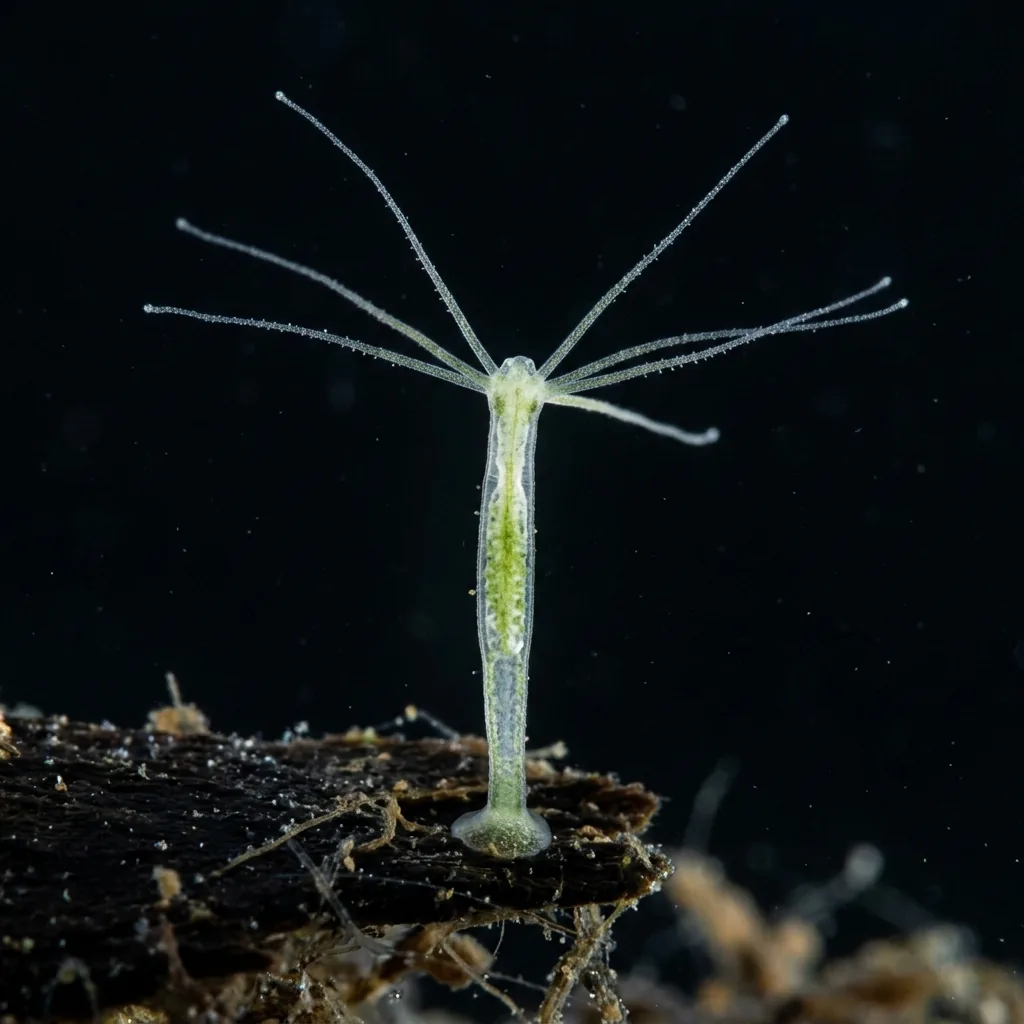
This model is weak, but it says one thing consistently. Where there are more water measurers (Hydrometridae), hydra (Hydridae), meniscus midges (Dixidae) and water mites of the family Limnesiidae, we count more crucian carp. On the bank, Himalayan balsam (Balsaminaceae) belongs to that group.
And one group points the other way: riffle beetles (Elmidae), small beetles that need running water. Everything that predicts more crucian carp belongs to water that STANDS; the only thing that predicts fewer belongs to water that runs. That is exactly where FishBase puts the species: shallow ponds and weedy lakes.