Identification
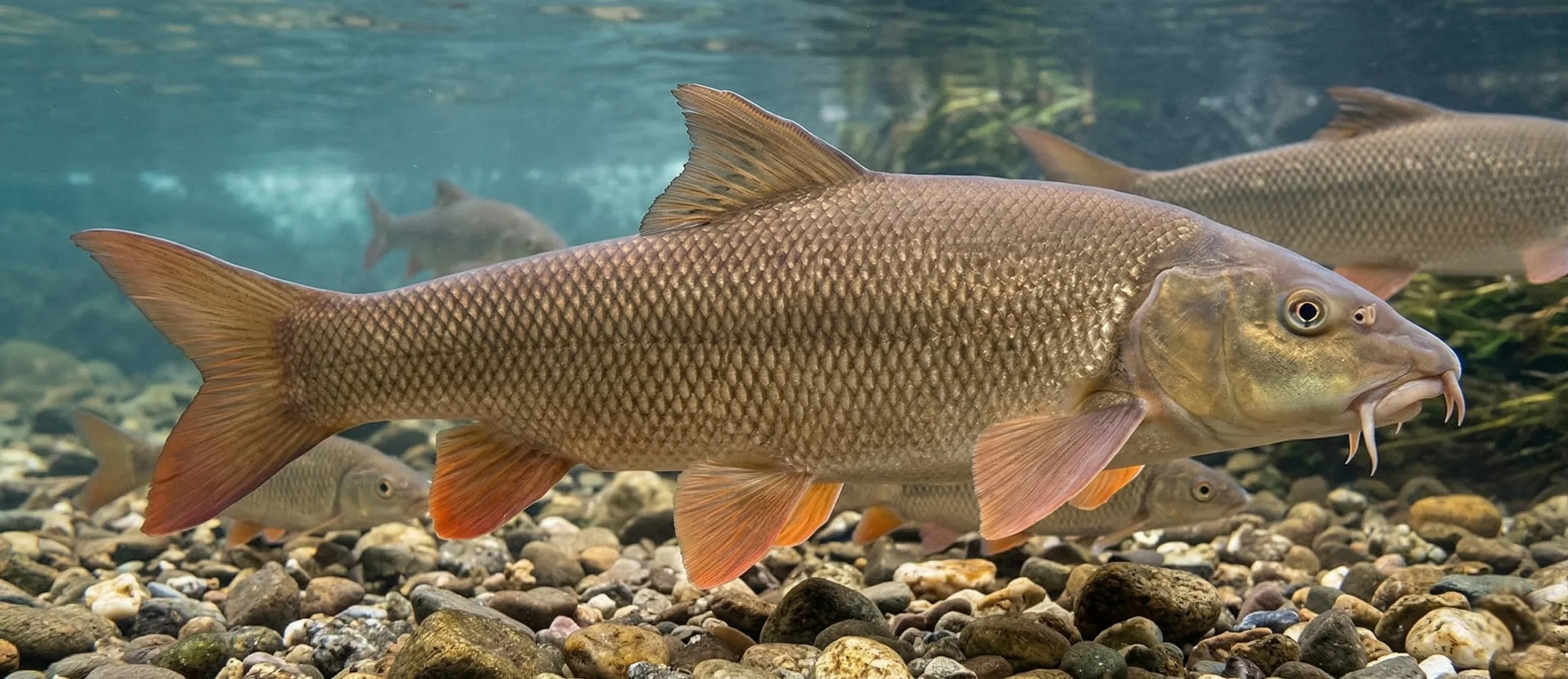
The belica (also called sunbleak or moderlieschen) is a small, slender cyprinid of 5 to 8 cm. The body is laterally compressed with relatively large scales that sit loosely and detach easily — the Dutch name "vetje" (fatty) refers to the greasy feel of the scales. The color is silvery with a distinctive blue lateral stripe along the flank, most visible in young fish. The mouth points upward, adapted for surface feeding. The belica is smaller and slimmer than roach, and lacks red fins.
Behavior & ecology
The belica lives in small schools in still or slow-flowing water with rich underwater vegetation. It forages primarily at the water surface on small insects, algae, and zooplankton. The spawning behavior is distinctive: the female wraps strings of eggs in spirals around plant stems, and the male actively guards them. The species prefers warm, clear water with a muddy bottom and dense vegetation. The belica is sensitive to water pollution and quickly disappears from disturbed waters.
In the Netherlands
The belica is a protected species under the European Habitats Directive (Annex II). In the Netherlands, it occurs scattered across ponds, polder ditches, ornamental waters, and small lakes, but populations are under pressure from habitat loss and water pollution. The species serves as an indicator for waters with good ecological quality. The belica has no significance for sport fishing — it is too small to catch and too valuable to disturb. Protection of the shallow, vegetated waters where it lives benefits the entire ecosystem.
What our models found for Belica
Below is what our models see in the data. These are links: where one thing occurs, the other occurs more often. That is not a cause. Each model answers one question and may not say more than it measured. The label by the heading tells you which question — and how sure the answer is.
Where this species lives A set, not a ranking Strong model
 Rudd (Scardinius erythrophthalmus)
The top names sit too close together for an order, but the company is clear: rudd, tench, bitterling, pike, gudgeon, spined loaches, roach, silver bream and bream. On the bank stand branched bur-reed (Typhaceae), amphibious bistort and water dock (Polygonaceae).
That is small, shallow, densely weedy water. FishBase puts the sunbleak in oxbows and water bodies only connected to rivers during floods, plus ponds, shallow pools and clay pits — and says you find it there between the weeds.
The sunbleak, the bitterling and the spined loach all appear in each other's lists. That is no accident: three small fish of the same kind of water.
Where there are many A set, not a ranking Weak model
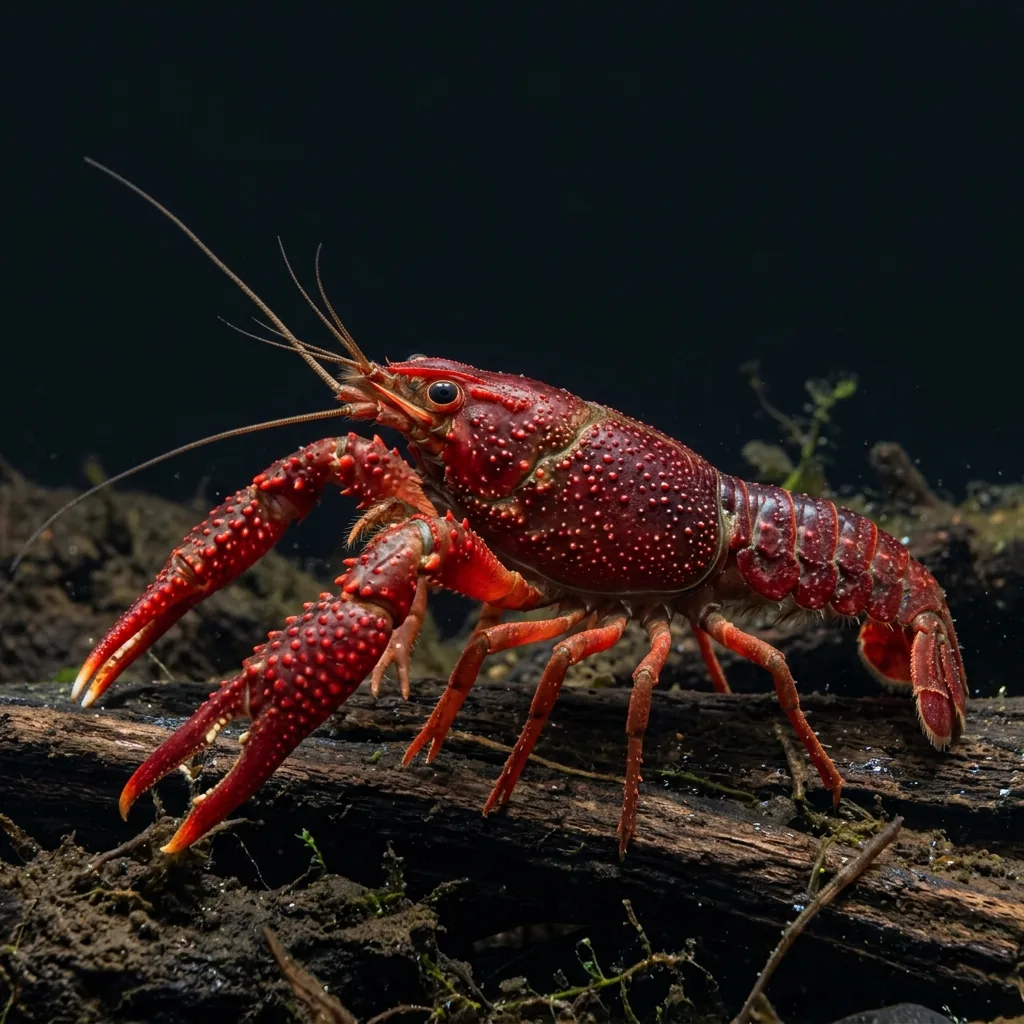 American crayfish (Cambaridae)
This model is weak. Plenty of sunbleak goes with American crayfish (Cambaridae), caddisflies of the family Limnephilidae — which build their cases in still water — and Nuttall's waterweed (Hydrocharitaceae).
We count fewer sunbleak with spongeflies (Sisyridae), with grey willow (Salicaceae) and with the banded demoiselle (Calopterygidae). That last one is a damselfly of running water, and it fits: the sunbleak is a fish of standing water.