Skip to content
LAKE

IJsselmeer

Lake·52.80951, 5.37856·1,121 km²

On average 4.6 m deep and 22 m at the deepest point (bed below NAP, surveyed by Rijkswaterstaat in 2012).

20
Fish species recorded
85% of NL
More diverse than
cm
Biggest catch
Surveyed
Depth data
Map layers
Surveyed multibeam
shallowmiddeep
What do Common / Notable / Rare / Mythic mean?

The label says how widespread a species is: the share of Dutch survey areas that have ever recorded it. It does not say how many live here. A species found in only a few areas can still be abundant in them. The records come from surveys of the water. A plant of the bank or of dry land, such as bracken, rarely turns up in them, so it can be labelled “rare” or “mythic” even where it is common on land. Freshwater species are compared with freshwater areas and sea species with salt ones. Over half of all survey areas are at sea: measured against the whole country, no freshwater fish could ever count as “common”.

Common≥30%Notable10–30%Rare3–10%Mythic<3%
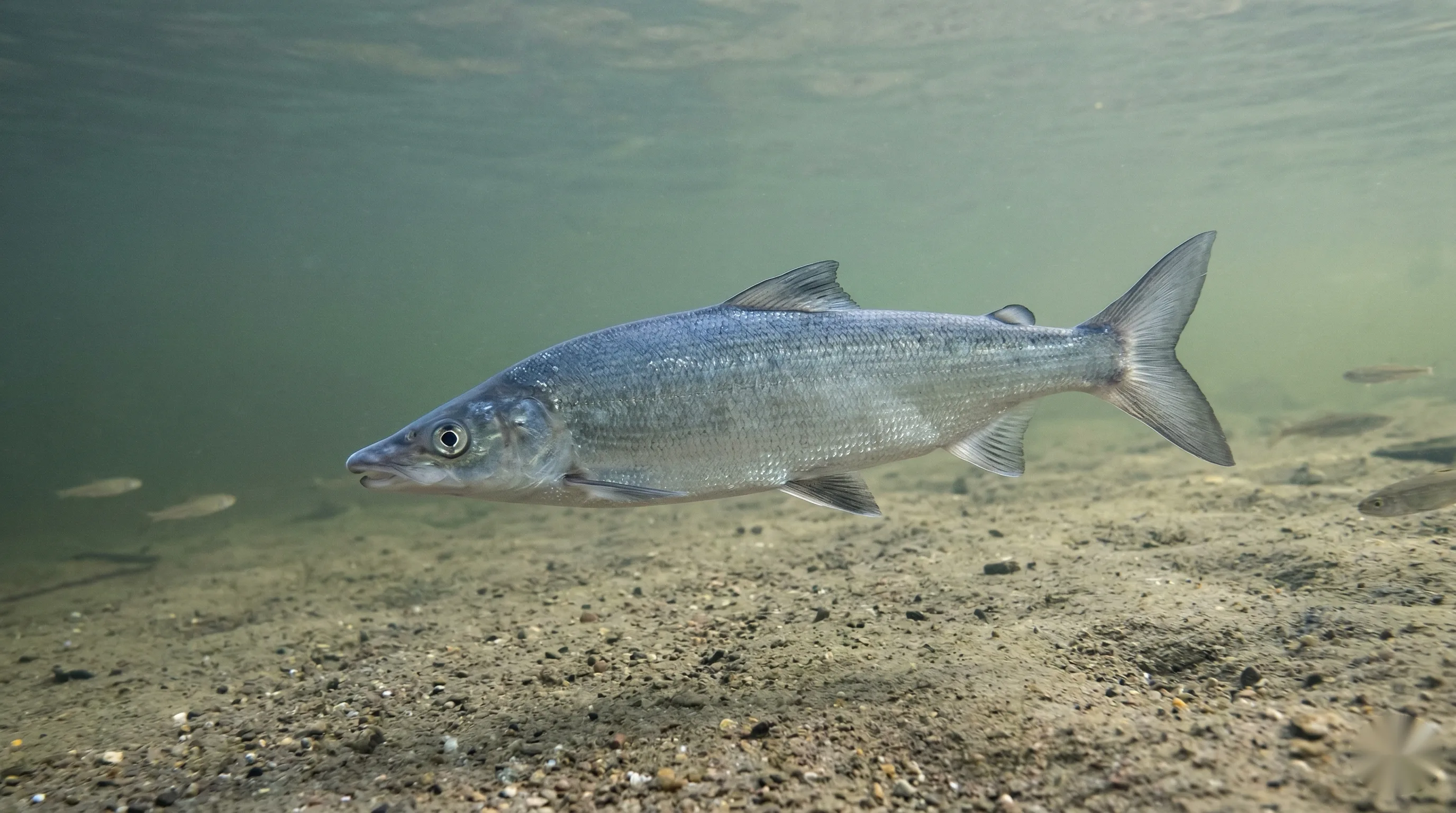
European smelt
osmerus eperlanus
Notablein 11.8% of NL
Fish recorded
biggest cm
suitable100%
Ruffe
gymnocephalus cernuus
Commonin 67.5% of fresh NL
Fish recorded
biggest cm
suitable100%
Roach
rutilus rutilus
Commonin 91.9% of fresh NL
Fish recorded1,157
biggest cm
suitable100%
Perch
perca fluviatilis
Commonin 91.9% of fresh NL
Fish recorded960
biggest cm
suitable100%
Zander
sander lucioperca
Commonin 55.2% of fresh NL
Fish recorded
biggest cm
suitable98%
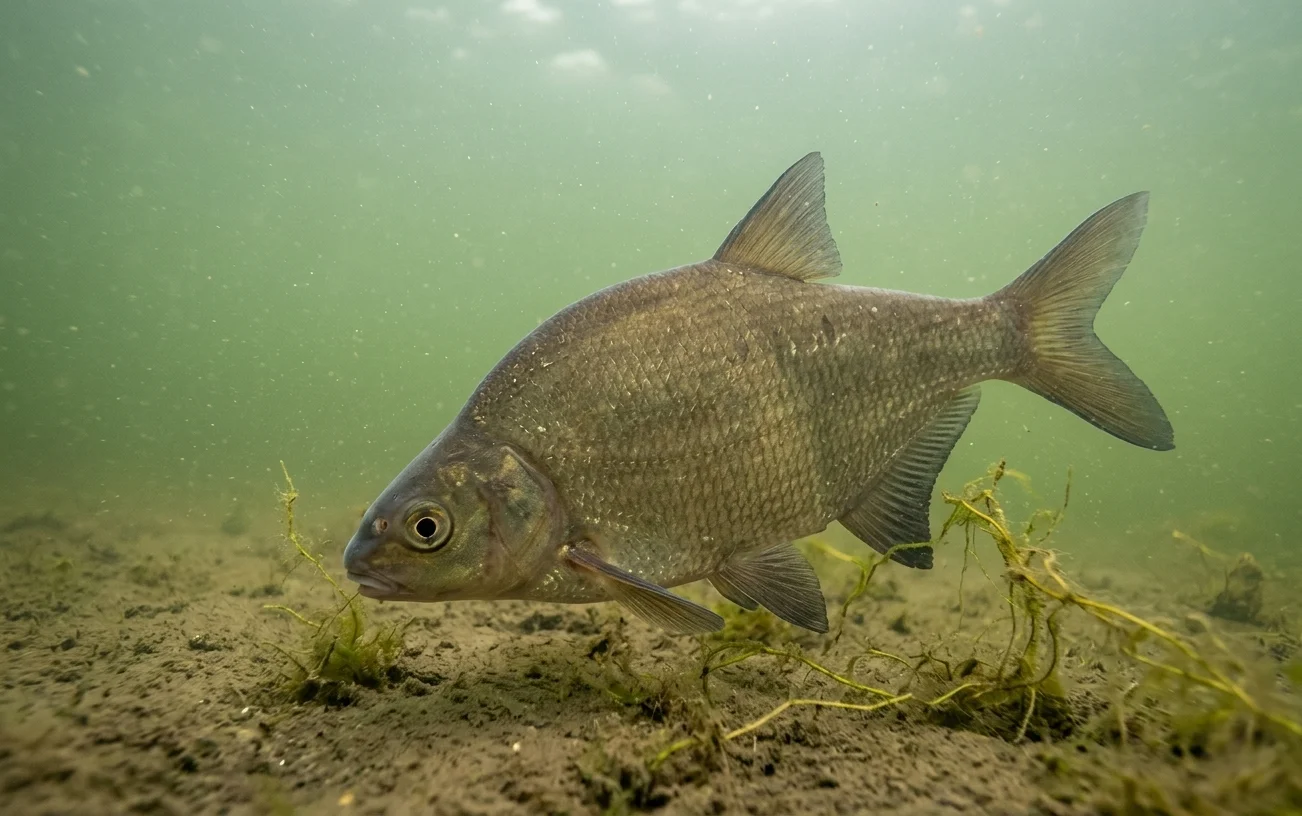
Bream
abramis brama
Commonin 82.3% of fresh NL
Fish recorded317
biggest cm
suitable100%
European Flounder
platichthys flesus
Commonin 46.4% of salt NL
Fish recorded
biggest cm
suitable100%
Ide
leuciscus idus
Commonin 44.6% of fresh NL
Fish recorded
biggest cm
suitable87%
Tubenose goby
proterorhinus semilunaris
Commonin 32.5% of fresh NL
Fish recorded
biggest cm
suitable53%
Atlantic herring
clupea harengus
Commonin 74.6% of salt NL
Fish recorded
biggest cm
suitable98%
Three-spined stickleback
gasterosteus aculeatus
Commonin 56% of fresh NL
Fish recorded
biggest cm
suitable88%
Spined loach
cobitis taenia
Commonin 51.5% of fresh NL
Fish recorded
biggest cm
suitable79%
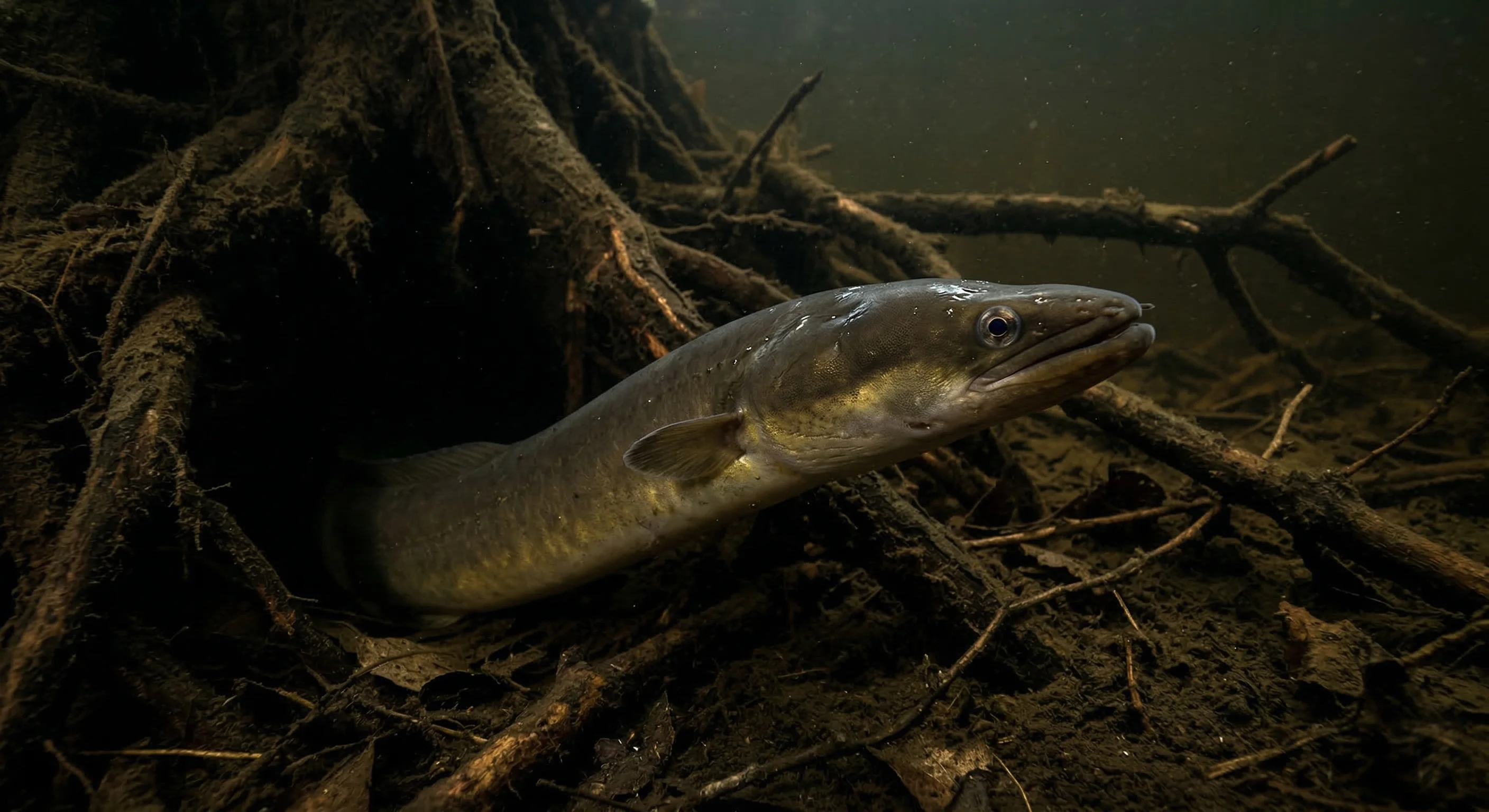
Eel
anguilla anguilla
Commonin 70.7% of fresh NL
Fish recorded
biggest cm
suitable98%
Tench
tinca tinca
Commonin 76.1% of fresh NL
Fish recorded
biggest cm
suitable88%
Carp
cyprinus carpio
Commonin 53.7% of fresh NL
Fish recorded
biggest cm
suitable54%
Pike
esox lucius
Commonin 88.8% of fresh NL
Fish recorded
biggest cm
suitable99%
Bullhead
cottus gobio
Notablein 12.7% of fresh NL
Fish recorded
biggest cm
suitable76%
European Whitefish
coregonus lavaretus
Mythicin 1.1% of fresh NL
Fish recorded
biggest cm
River Lamprey
lampetra fluviatilis
Rarein 3.3% of salt NL
Fish recorded
biggest cm
suitable94%
Bighead Carp
hypophthalmichthys nobilis
Mythicin 0.5% of fresh NL
Fish recorded
biggest cm
Food web

The food chain of the IJsselmeer

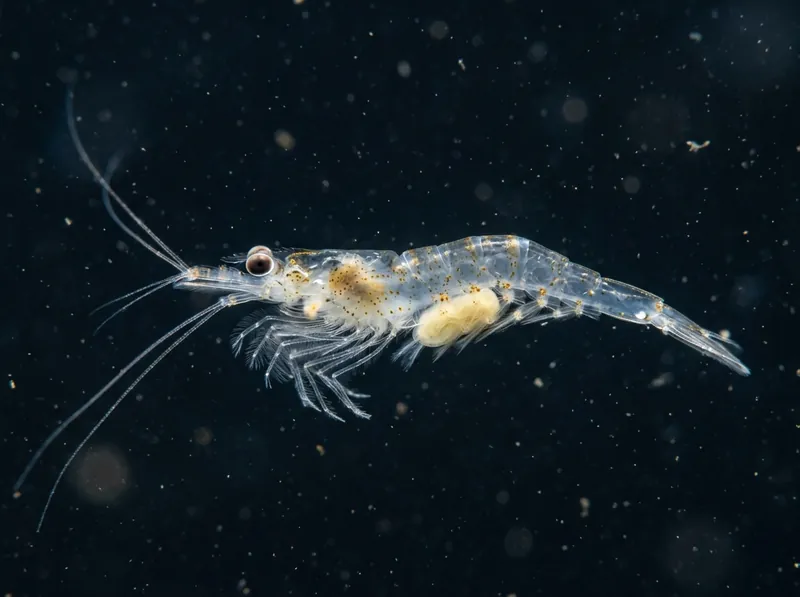
Reading this water starts on the bottom. Much of the hard substrate is carpeted with zebra mussels; they filter the water clearer and form the base of the food web. On the mussel-rich stretches our data turns up tench, rudd and pike strikingly often. Over the barer, deeper sand the picture shifts: here it is about mysid shrimp, and pikeperch tend to sit with them. One small fish gives away the health of the whole system — when the smelt do well, predators and birds profit alike.
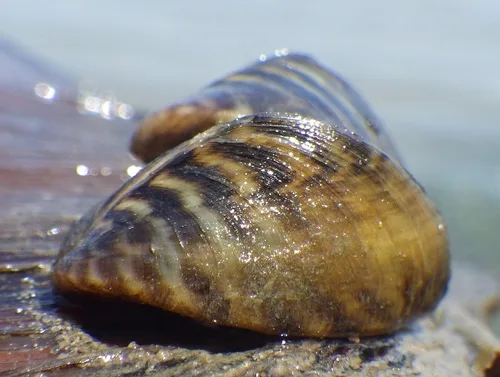
Zebra mussels (Dreissenidae) on the bed of the IJsselmeer
Food chains from this lake
MicroorganismsAlgaein 401 of 401 samples1990–2023
InvertebratesZebra musselsin 65 of 140 samples1983–2023
FishRoachin 78 of 84 catches2006–2020
InvertebratesOpossum shrimpsin 33 of 140 samples1983–2023
FishSmeltin 75 of 84 catches2006–2020
PredatorZanderin 55 of 84 catches2006–2020

What lives here comes from samples and catches in the lake itself. Each arrow points to what eats it. That comes from studies elsewhere, listed below.

Water plants

The water plants of the IJsselmeer

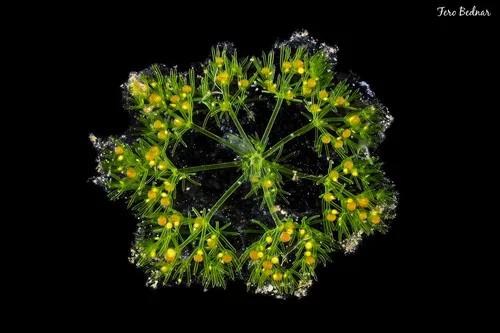
Below the surface, water plants decide where life gathers. Stoneworts belong to clear, clean water — where they stand, visibility is usually good. Pondweed grows here too, a classic submerged plant that gives young fish cover — and where young fish shelter, the predators come to hunt.

The water plants of the IJsselmeer
Invertebrates

Invertebrates and prey

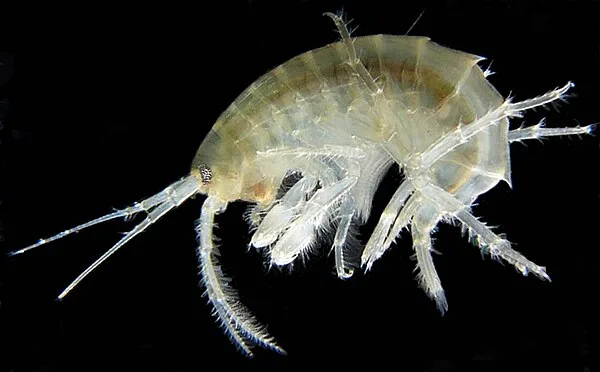
The engine of the food web sits on and in the bottom. Midge larvae are one of its most important food sources — almost every bottom fish grazes on them. Freshwater shrimp go hand in hand with smelt here, and where the smelt are, the predators follow. On the harder patches, pea mussels lie among the zebra mussels; together they filter the water and keep the bottom alive.

Invertebrates and prey
Microlife

Microlife at the base

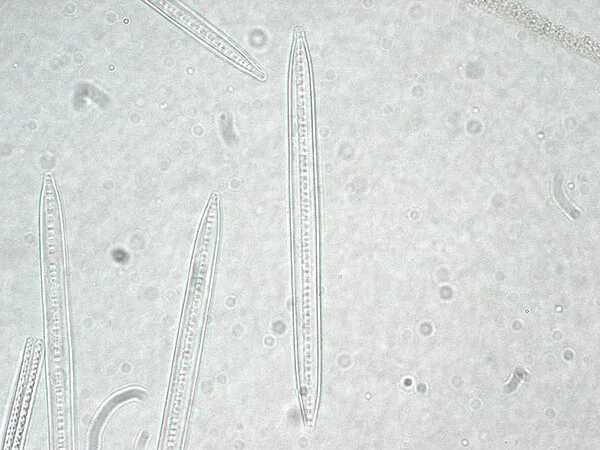
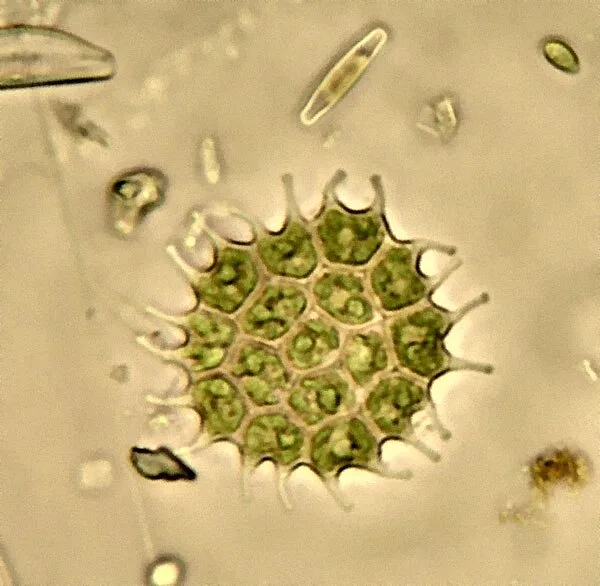
At the base of it all sits the microscopic life. Diatoms — tiny algae with a skeleton of glass — capture the sunlight and feed the whole chain above them; in our data they run together with species like pike and twaite shad. In warm, nutrient-rich water blue-green algae can take over, which shows up in the algae pressure on this water. Small life, big consequences.

Microlife at the base
The water

About this water

The IJsselmeer is no ordinary lake but a genuine inland sea: large, open and generally shallow. When you catch fish here depends most on the season and the water temperature; where you catch them depends on structure. The bottom is largely flat, so shipping channels, sandbanks and the hard, mussel-covered patches form the clearest structure. The water level is controlled artificially: surplus water is let out into the Wadden Sea at the Afsluitdijk. In a heavy north-westerly storm the wind piles the water up so high that an inflatable dam at Ramspol closes off the Zwarte Meer. The IJsselmeer is sonar-surveyed; how we model depth elsewhere from satellite imagery — and where that does and doesn't work — is in our satellite-depth research.

History

Origin and history

Until 1932 this was the Zuiderzee, a salt arm of the sea with an open link to the North Sea. The Afsluitdijk cut that link, and the water turned from salt to fresh within a few years. That transition still sits in the fish stock: alongside the classic freshwater species, fish that recall the salt past sometimes surface here.

History

Fish passages through the Afsluitdijk

For migratory fish, the Afsluitdijk is in the way. These fish need both salt and fresh water to grow up and spawn. Since 2015 a fish passage at Den Oever has helped: a pipe straight through the dike that carries fresh IJsselmeer water out to the Wadden Sea. Fish smell it and swim through the pipe into the lake. In spring most of them are glass eels, which are young eels. On some nights as many as 50,000 come through.

A second route is coming at Kornwerderzand: the Fish Migration River, a winding channel about 4 km long that cuts through the dike. Salt and fresh water meet gradually along it, so fish can adjust as they go. Strong swimmers such as salmon and sea trout will make it through under their own power; glass eels and smelt let the current carry them. It is due to open in 2027.

Fishing

Fishing the IJsselmeer

Its sheer scale makes this mostly boat water. Work the transitions: the edges of channels and sandbanks and the deeper water where predators seek their food. From the bank, focus on harbour mouths, groynes and dike sections where structure and current meet. You will need a Dutch VISpas to fish here. It has long been a strong predator and coarse-fish water; below is where to look for the main species.

TARGETING

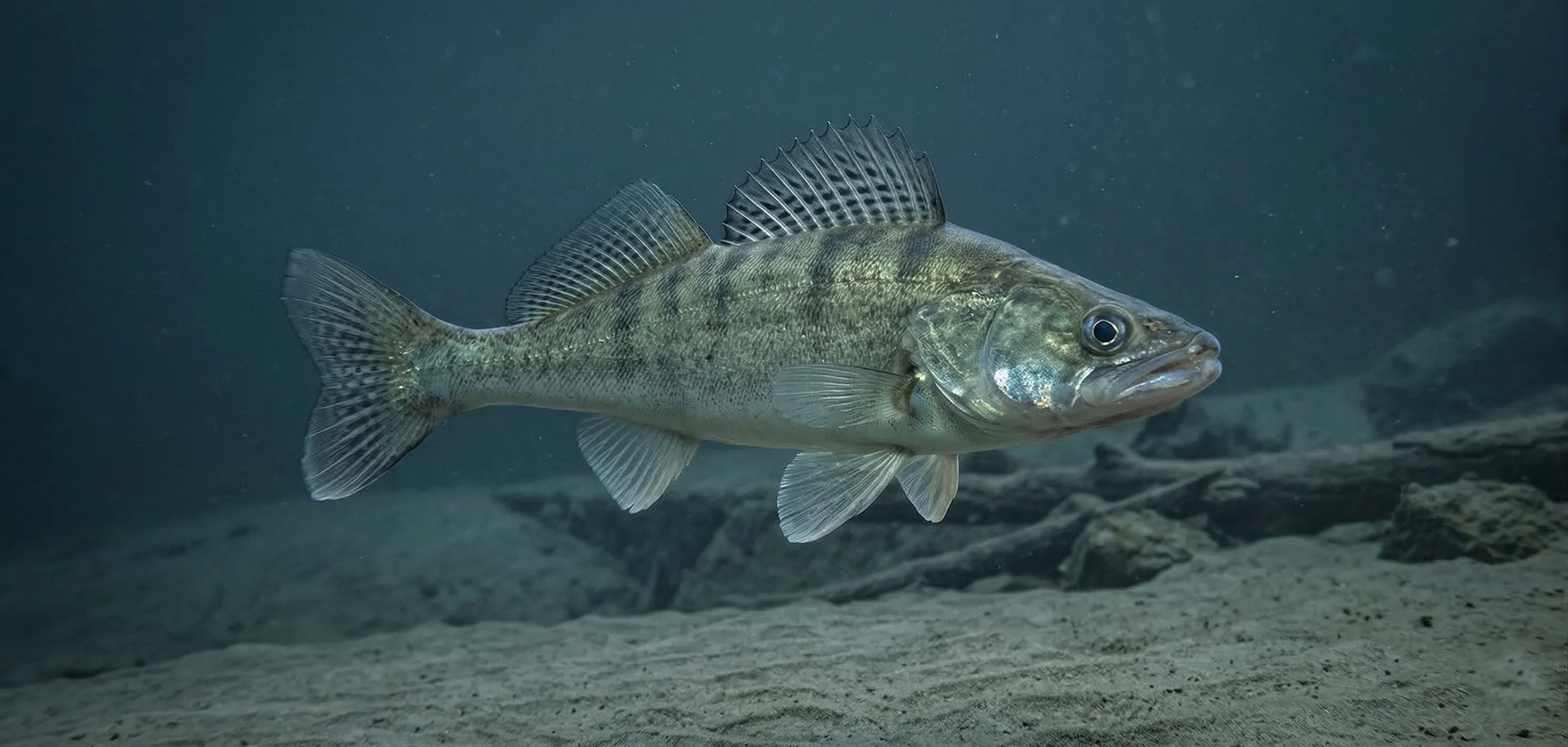
Pikeperch

Pikeperch is the signature predator of the IJsselmeer and loves the transitions: channel edges, deeper holes and the flanks of sandbanks. Coloured, wind-churned water works in its favour — then it hunts by day too. Vertical fishing or trolling along those channel edges is the classic approach; from the bank, groynes on a rising level are the pick.

Pikeperch
TARGETING

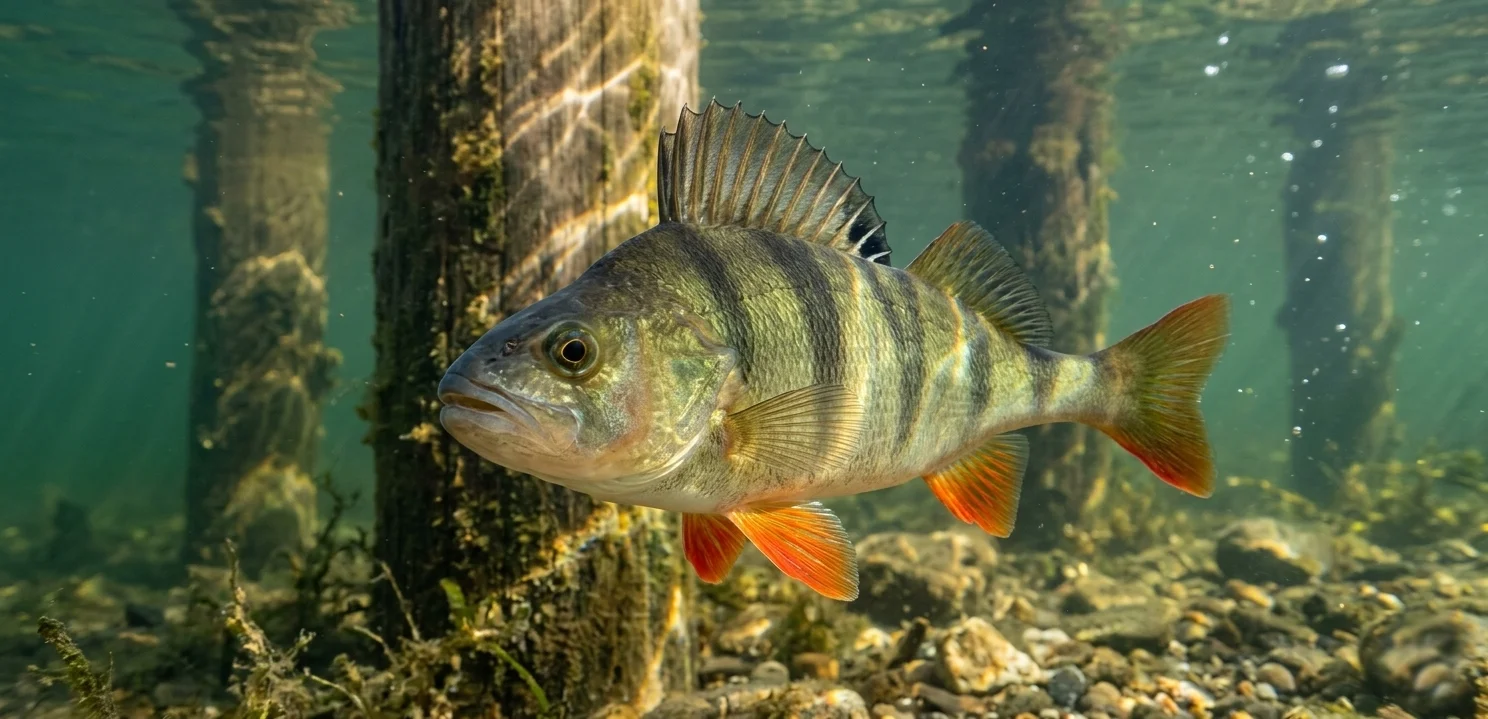
Perch

Perch shoal up and hunt small stuff — smelt and young coarse fish. Look for them around structure: groynes, rip-rap, the tips of sandbanks and the mussel-rich bottom where their prey sits. Where the wind packs baitfish together, the perch gather with them. Small shads and vertical jigging do well along the harder ground.

Perch
TARGETING

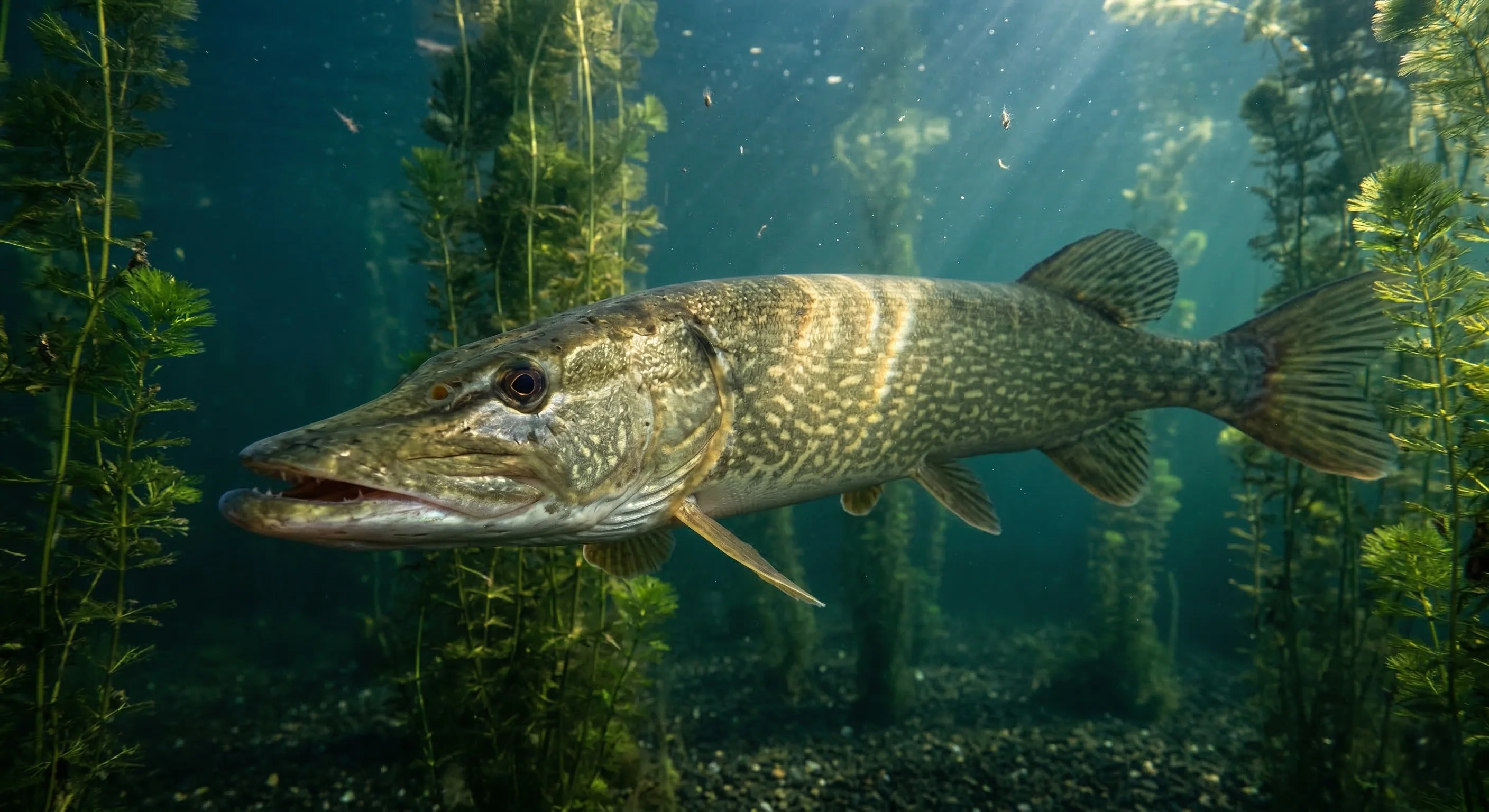
Pike

Pike avoid the bare open water and seek the sheltered, structure-rich edges: harbour mouths, shallow weeded banks and the drop from sandbank to deeper water. When an onshore wind pins baitfish against the bank, pike wait in the calm behind it. Big shads and jerkbaits along those edges — the IJsselmeer produces genuine metre-plus fish.

Pike
TARGETING

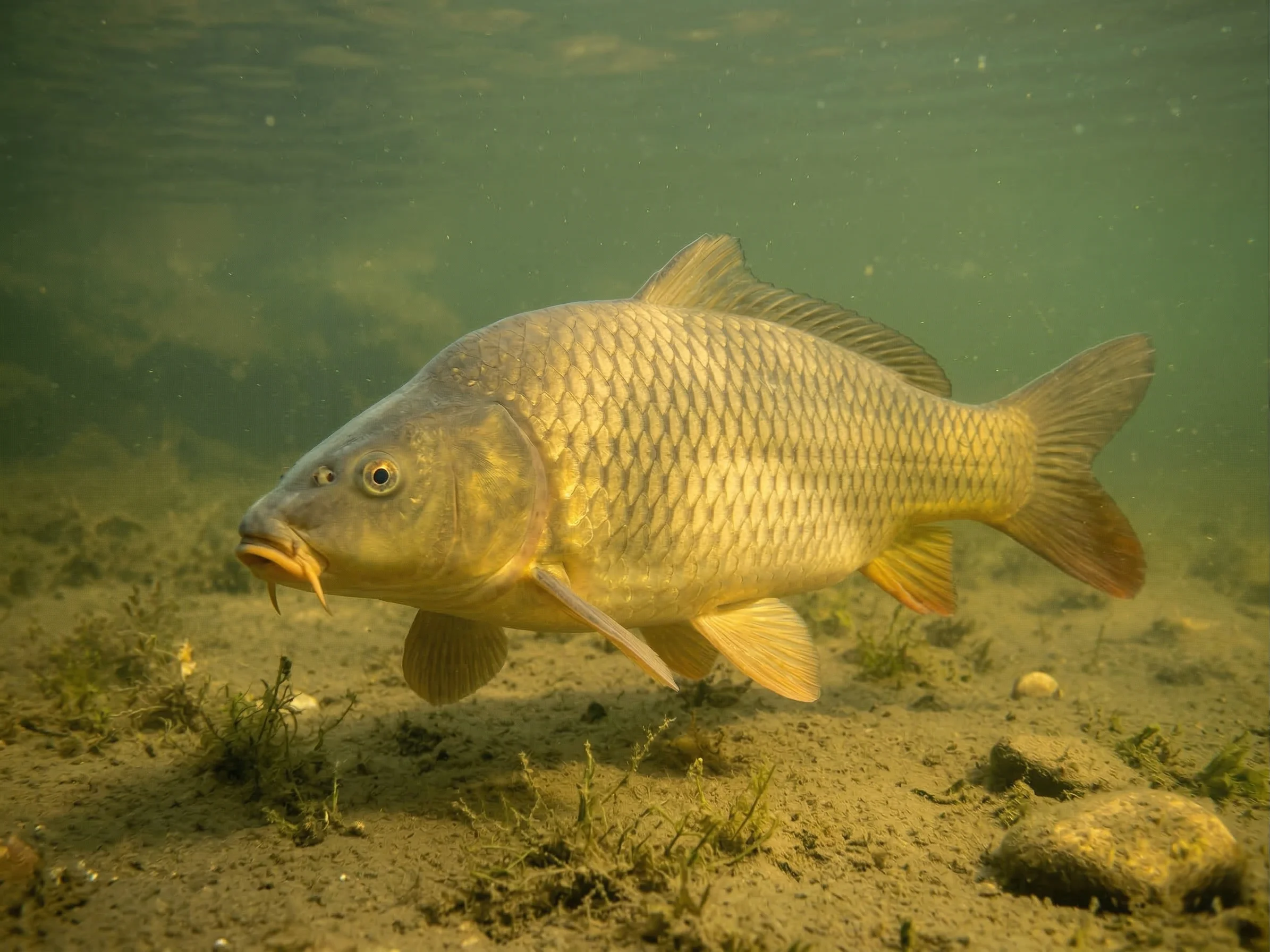
Carp

Carp are often overlooked on the IJsselmeer, but there is fish of serious size here. You can skip the bare open water: your chances sit in harbours, sheltered corners behind groynes and along shallow, faster-warming banks. An onshore wind that piles food against your bank can make the session.

Carp
TARGETING

Eel

Eel is a night hunter that tucks away by day among rip-rap, in harbours and along the softer bottom. Fish at dusk and after dark with a bottom rig close to that structure. The IJsselmeer has always been strong eel water, but the species is under heavy pressure: you may fish for eel, but every eel you catch must go back, all year round.

Eel
TARGETING

Bream

Bream — with roach and silver bream alongside — move in huge shoals over the flat bottom, feeding on bottom life around the mussel beds. They are mobile: where the wind colours the water and stirs up food, the shoal gathers. Feeder tactics or a weighted bottom rig on the channel-to-plateau transitions work best.

Bream
Notable

Notable species

The most remarkable story is the return of migratory fish. The North Sea houting — a whitefish that shuttles between fresh and salt — is present here again after years away. It is one of the species the Fish Migration River at Kornwerderzand was designed for.

Notable species

Water composition
Oxygen saturation
79.8%
Total phosphorus
0.255mg/l
Total nitrogen
2.77mg/l
Ammonium
1.07mg/l
Chlorophyll-a
49.7ug/l
Chloride
427mg/l
Zinc
6.34ug/l
Lead
0.591ug/l
Blue-green algae in past surveys
found often
not a current measurement
vs all monitored NL waters since 2015 · 173 sample point(s)
Over the years
Total phosphorus0.22 mg/l
Total nitrogen2.22 mg/l
Ammonium0.74 mg/l
2009percentile vs all NL waters — lower is cleaner2025