Skip to content
LAKE

IJsselmeer

Lake·52.80951, 5.37856·1,121 km²
79
Fish species recorded
78% of NL
More diverse than
cm
Biggest catch
Surveyed
Depth data
Map layers
Surveyed multibeam
shallowmiddeep
Roach
rutilus rutilus
Common
records5,209
biggest cm
suitable100%
European smelt
osmerus eperlanus
Common
records
biggest cm
suitable95%
Perch
perca fluviatilis
Common
records4,663
biggest cm
suitable100%
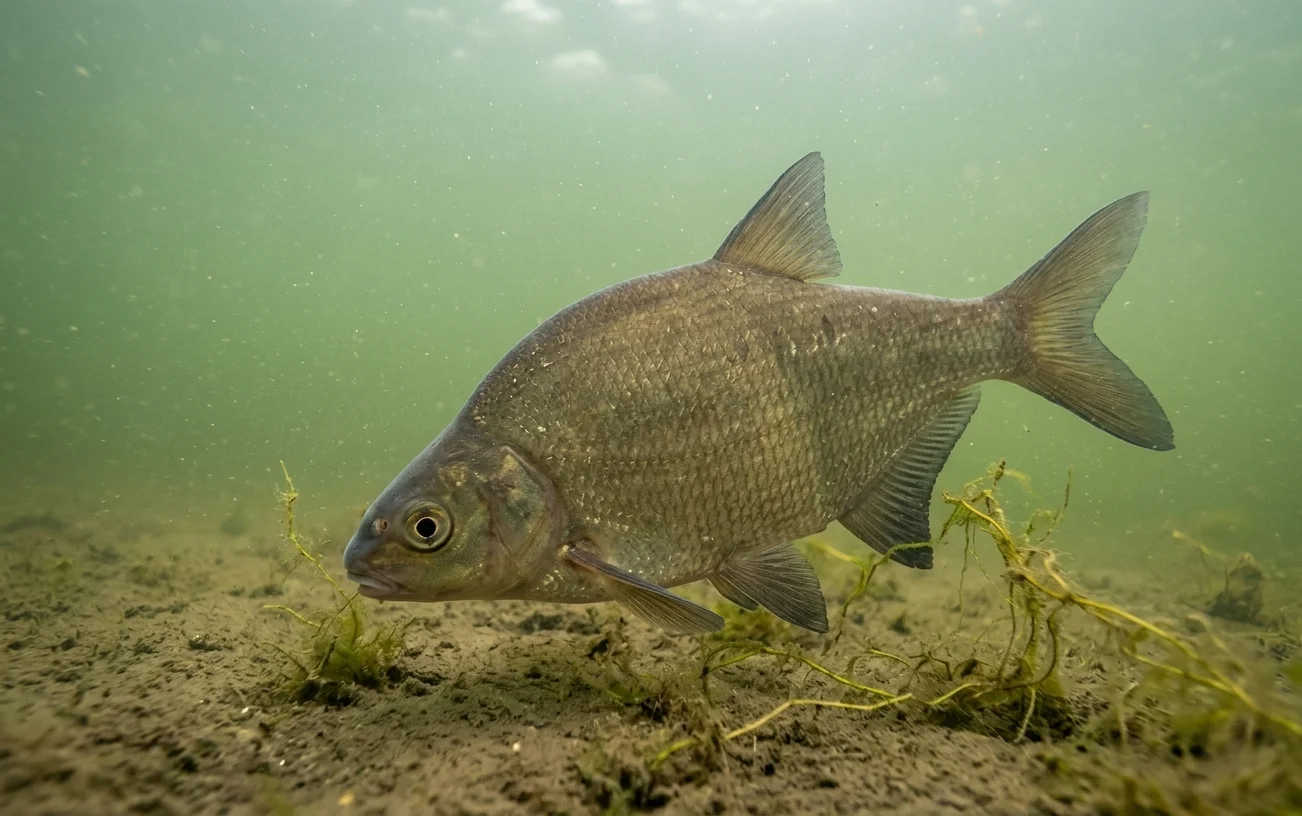
Bream
abramis brama
Common
records3,279
biggest cm
suitable100%
Ruffe
gymnocephalus cernuus
Common
records
biggest cm
suitable99%
Zander
sander lucioperca
Common
records
biggest cm
suitable99%
Rudd
scardinius erythrophthalmus
Common
records
biggest cm
suitable98%
Nine-spined stickleback
pungitius pungitius
Common
records
biggest cm
suitable41%
Three-spined stickleback
gasterosteus aculeatus
Common
records
biggest cm
suitable26%
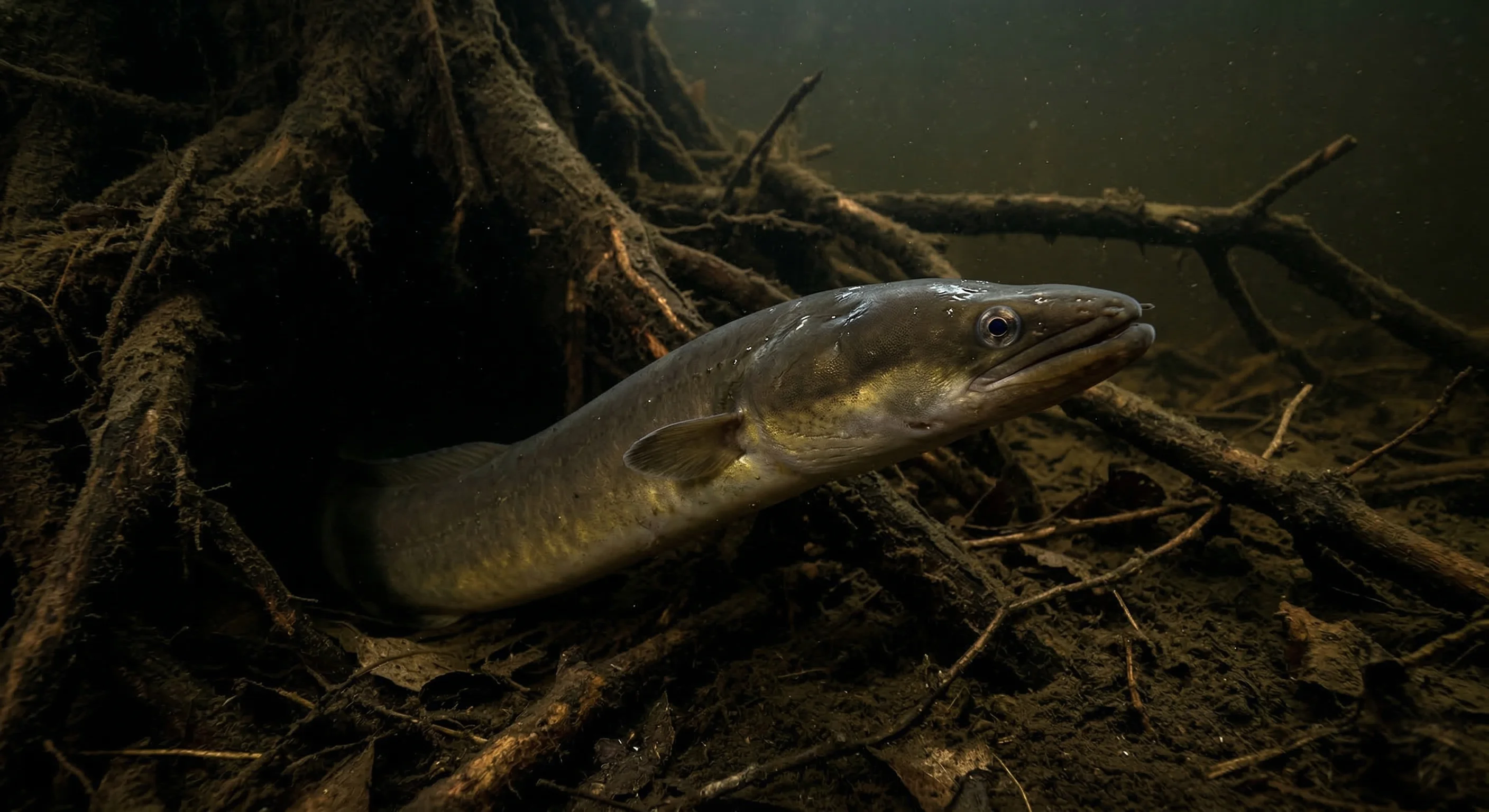
Eel
anguilla anguilla
Common
records
biggest cm
suitable99%
European Flounder
platichthys flesus
Common
records
biggest cm
suitable92%
Round goby
neogobius melanostomus
Common
records
biggest cm
suitable62%
Ide
leuciscus idus
Common
records
biggest cm
suitable94%
Bullhead
cottus perifretum
Common
records
biggest cm
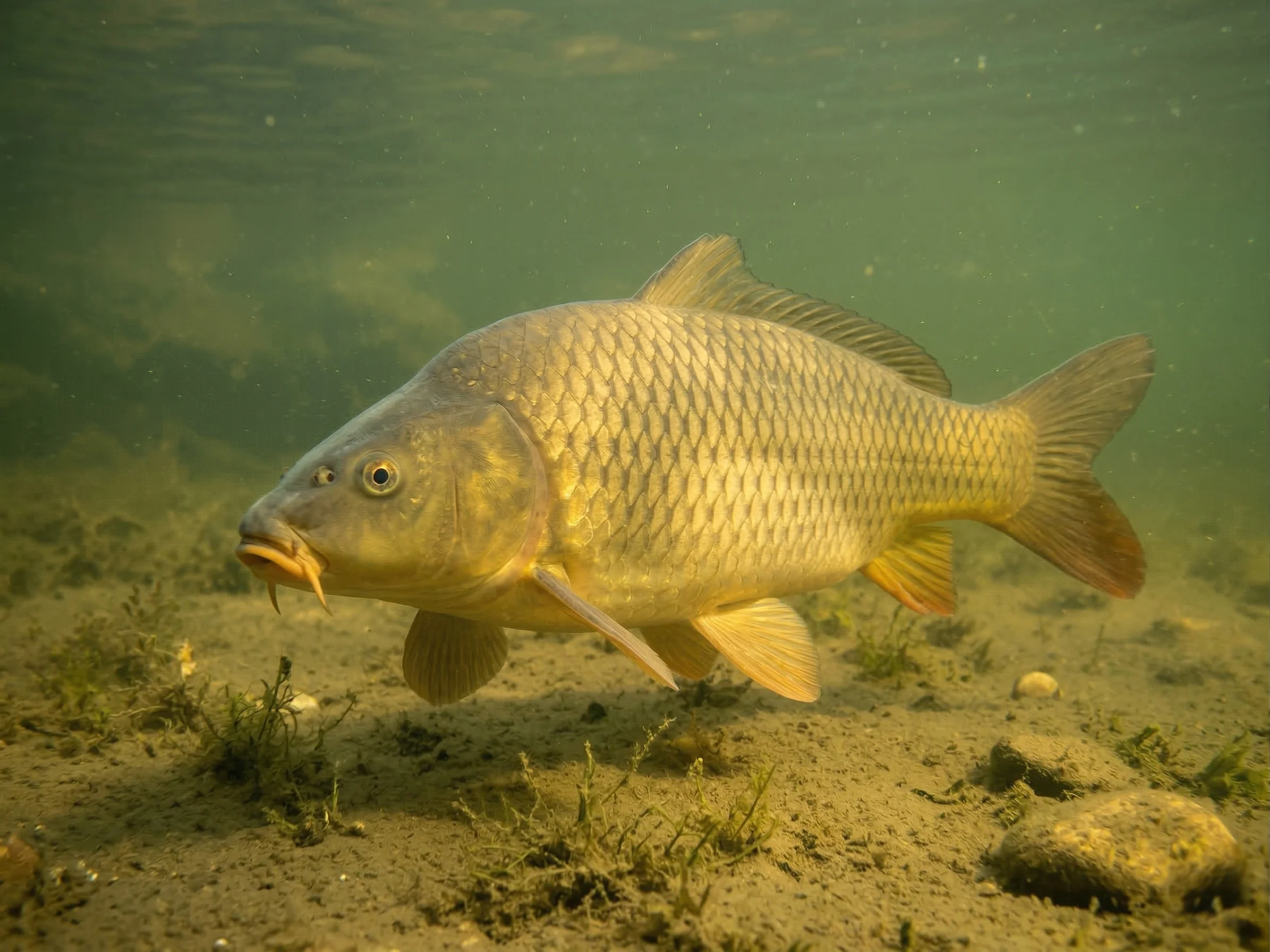
Carp
cyprinus carpio
Common
records
biggest cm
suitable96%
White Bream
blicca bjoerkna
Common
records
biggest cm
suitable97%
European bitterling
rhodeus amarus
Common
records
biggest cm
suitable75%
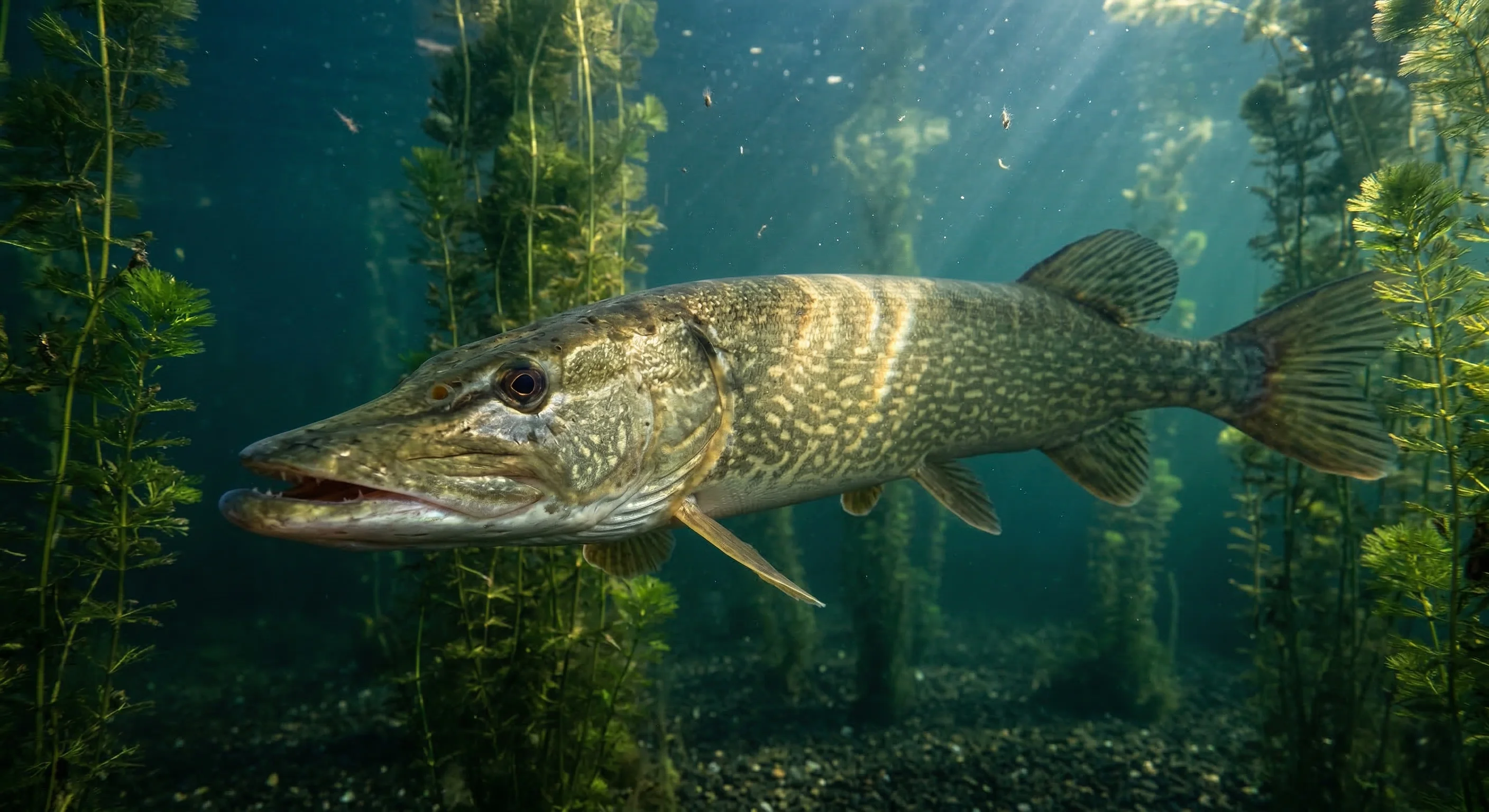
Pike
esox lucius
Common
records
biggest cm
suitable100%
Bleak
alburnus alburnus
Common
records
biggest cm
suitable76%
Monkey goby
neogobius fluviatilis
Notable
records
biggest cm
suitable10%
Spined loach
cobitis taenia
Common
records
biggest cm
suitable54%
Tench
tinca tinca
Common
records
biggest cm
suitable85%
Tubenose goby
proterorhinus semilunaris
Common
records
biggest cm
Caucasian Dwarf Goby
knipowitschia caucasica
Notable
records
biggest cm
European Sprat
sprattus sprattus
Rare
records
biggest cm
Prussian carp
carassius gibelio
Common
records
biggest cm
suitable80%
Atlantic herring
clupea harengus
Notable
records
biggest cm
suitable96%
Asp
aspius aspius
Common
records
biggest cm
suitable77%
Trout
salmo trutta
Notable
records
biggest cm
suitable1%
Racer Goby
babka gymnotrachelus
Notable
records
biggest cm
River Lamprey
lampetra fluviatilis
Notable
records
biggest cm
Gudgeon
gobio gobio
Common
records
biggest cm
suitable78%
Sea Lamprey
petromyzon marinus
Notable
records
biggest cm
Belica
leucaspius delineatus
Common
records
biggest cm
suitable63%
Atlantic Salmon
salmo salar
Rare
records
biggest cm
Twaite shad
alosa fallax
Rare
records
biggest cm
suitable93%
Wels Catfish
silurus glanis
Notable
records
biggest cm
suitable70%
Grass Carp
ctenopharyngodon idella
Common
records
biggest cm
suitable76%
Thicklip Grey Mullet
chelon labrosus
Notable
records
biggest cm
Barbel
barbus barbus
Rare
records
biggest cm
suitable12%
Food web

The food chain of the IJsselmeer

Reading this water starts on the bottom. Much of the hard substrate is carpeted with zebra mussels; they filter the water clearer and form the base of the food web. On the mussel-rich stretches our data turns up tench, rudd and pike strikingly often. Over the barer, deeper sand the picture shifts: here it is about mysid shrimp, and pikeperch tend to sit with them. One small fish gives away the health of the whole system — when the smelt do well, predators and birds profit alike.
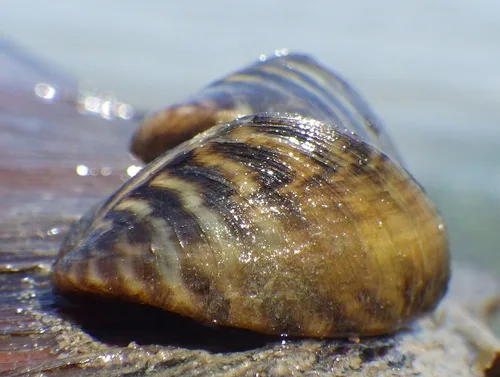
Zebra mussels (Dreissenidae) on the bed of the IJsselmeer
Water plants

The water plants of the IJsselmeer

Below the surface, water plants decide where life gathers. Stoneworts belong to clear, clean water — where they stand, visibility is usually good. Pondweed grows here too, a classic submerged plant that gives young fish cover — and where young fish shelter, the predators come to hunt.

The water plants of the IJsselmeer
Invertebrates

Invertebrates and prey

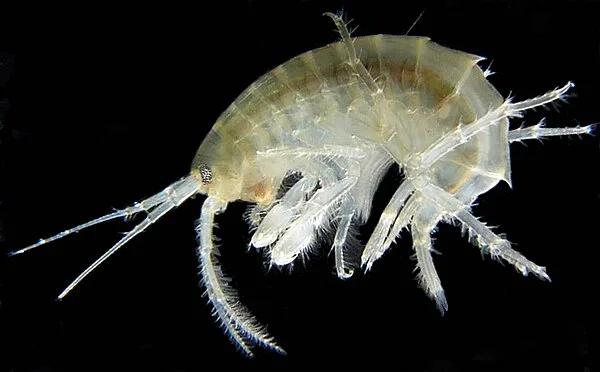
The engine of the food web sits on and in the bottom. Midge larvae are one of its most important food sources — almost every bottom fish grazes on them. Freshwater shrimp go hand in hand with smelt here, and where the smelt are, the predators follow. On the harder patches, pea mussels lie among the zebra mussels; together they filter the water and keep the bottom alive.

Invertebrates and prey
Microlife

Microlife at the base

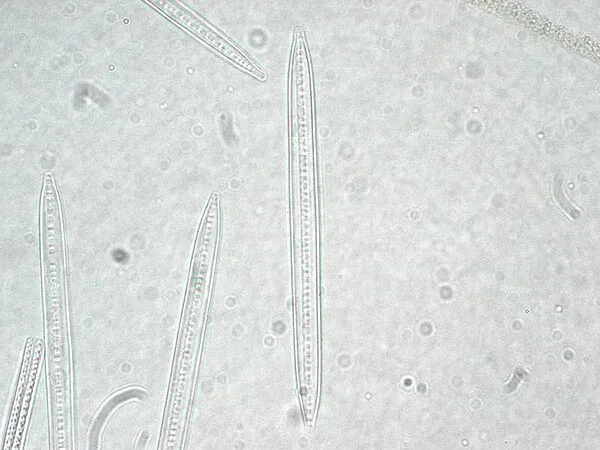
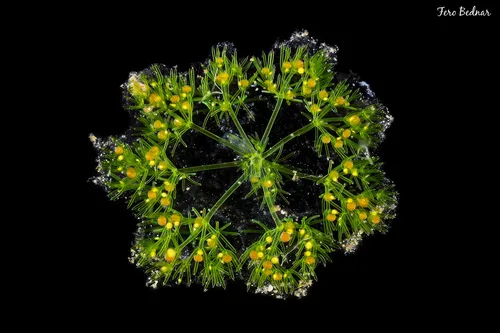
At the base of it all sits the microscopic life. Diatoms — tiny algae with a skeleton of glass — capture the sunlight and feed the whole chain above them; in our data they run together with species like pike and twaite shad. In warm, nutrient-rich water blue-green algae can take over, which shows up in the algae pressure on this water. Small life, big consequences.

Microlife at the base
The water

About this water

The IJsselmeer is no ordinary lake but a genuine inland sea: large, open and generally shallow. Two things decide when and where you fish here — the water level and the wind. The level is controlled artificially: at the Afsluitdijk it is discharged to the Wadden Sea, and a rising or falling level sets the fish moving. The bottom is largely flat; shipping channels and sandbanks form the clearest structure. This lake is sonar-surveyed; how we model depth elsewhere from satellite imagery — and where that does and doesn't work — is in our satellite-depth research.

History

Origin and history

Until 1932 this was the Zuiderzee, a salt arm of the sea with an open link to the North Sea. The Afsluitdijk cut that link, and the water turned from salt to fresh within a few years. That transition still sits in the fish stock: alongside the classic freshwater species, fish that recall the salt past sometimes surface here.

Fishing

Fishing the IJsselmeer

Its sheer scale makes this mostly boat water. Work the transitions: the edges of channels and sandbanks and the deeper water where predators seek their food. From the bank, focus on harbour mouths, groynes and dike sections where structure and current meet. You will need a Dutch VISpas to fish here. It has long been a strong predator and coarse-fish water; below is where to look for the main species.

TARGETING

Pikeperch

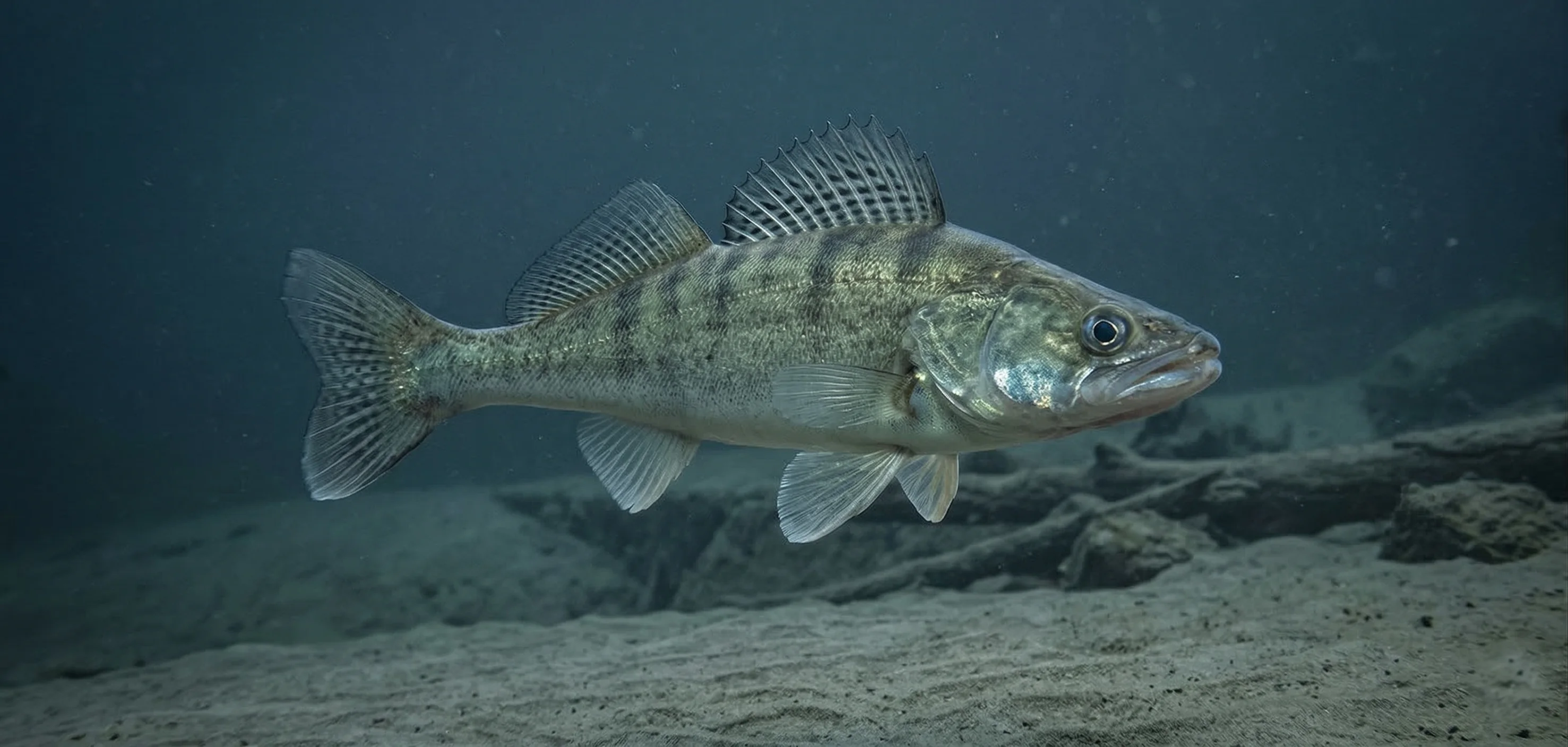
Pikeperch is the signature predator of the IJsselmeer and loves the transitions: channel edges, deeper holes and the flanks of sandbanks. Coloured, wind-churned water works in its favour — then it hunts by day too. Vertical fishing or trolling along those channel edges is the classic approach; from the bank, groynes on a rising level are the pick.

Pikeperch
TARGETING

Perch

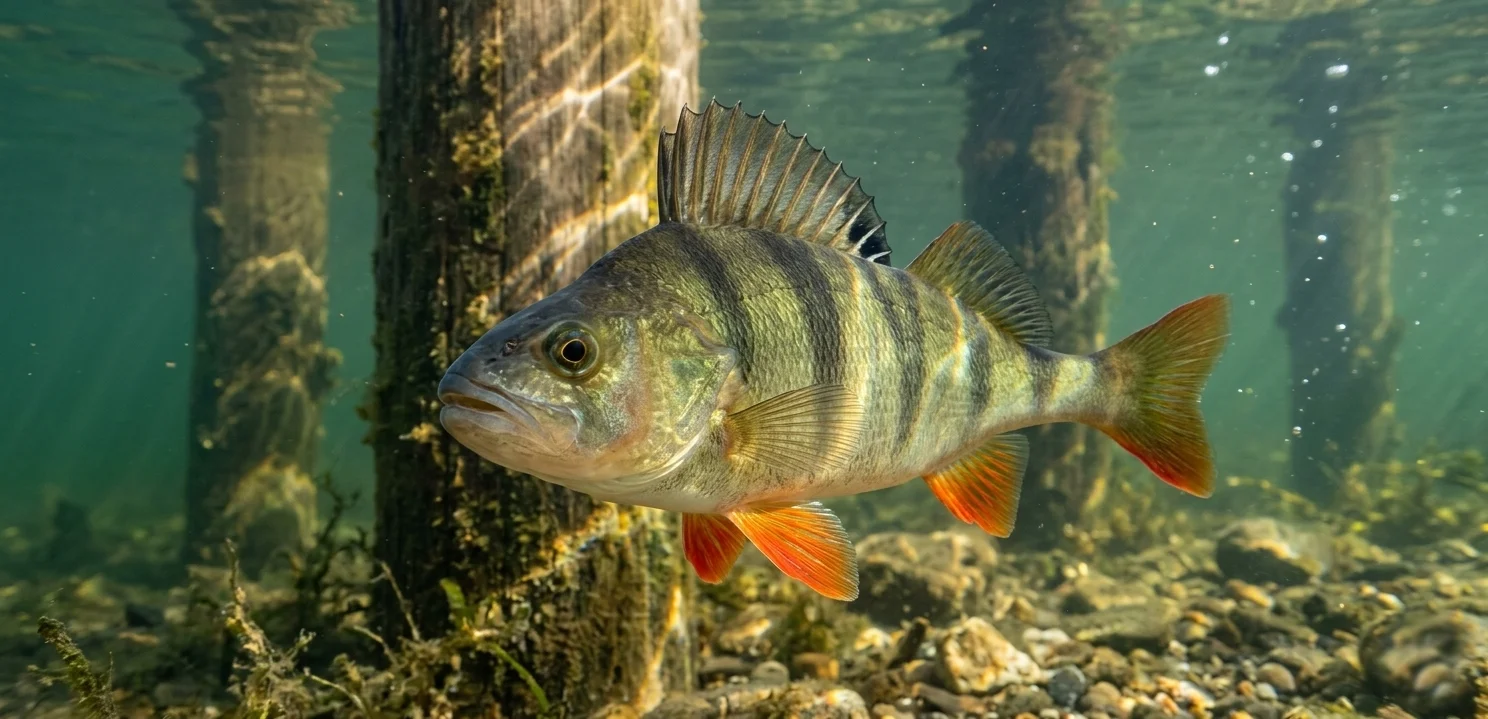
Perch shoal up and hunt small stuff — smelt and young coarse fish. Look for them around structure: groynes, rip-rap, the tips of sandbanks and the mussel-rich bottom where their prey sits. Where the wind packs baitfish together, the perch gather with them. Small shads and vertical jigging do well along the harder ground.

Perch
TARGETING

Pike

Pike avoid the bare open water and seek the sheltered, structure-rich edges: harbour mouths, shallow weeded banks and the drop from sandbank to deeper water. When an onshore wind pins baitfish against the bank, pike wait in the calm behind it. Big shads and jerkbaits along those edges — the IJsselmeer produces genuine metre-plus fish.

Pike
TARGETING

Carp

Carp are often overlooked on the IJsselmeer, but there is fish of serious size here. You can skip the bare open water: your chances sit in harbours, sheltered corners behind groynes and along shallow, faster-warming banks. An onshore wind that piles food against your bank can make the session.

Carp
TARGETING

Eel

Eel is a night hunter that tucks away by day among rip-rap, in harbours and along the softer bottom. Fish at dusk and after dark with a bottom rig close to that structure. The IJsselmeer has always been strong eel water, but the species is under heavy pressure: eel has a closed season from 1 September to 30 November, and given the stock you're best releasing what you catch anyway.

Eel
TARGETING

Bream

Bream — with roach and silver bream alongside — move in huge shoals over the flat bottom, feeding on bottom life around the mussel beds. They are mobile: where the wind colours the water and stirs up food, the shoal gathers. Feeder tactics or a weighted bottom rig on the channel-to-plateau transitions work best.

Bream
Notable

Notable species

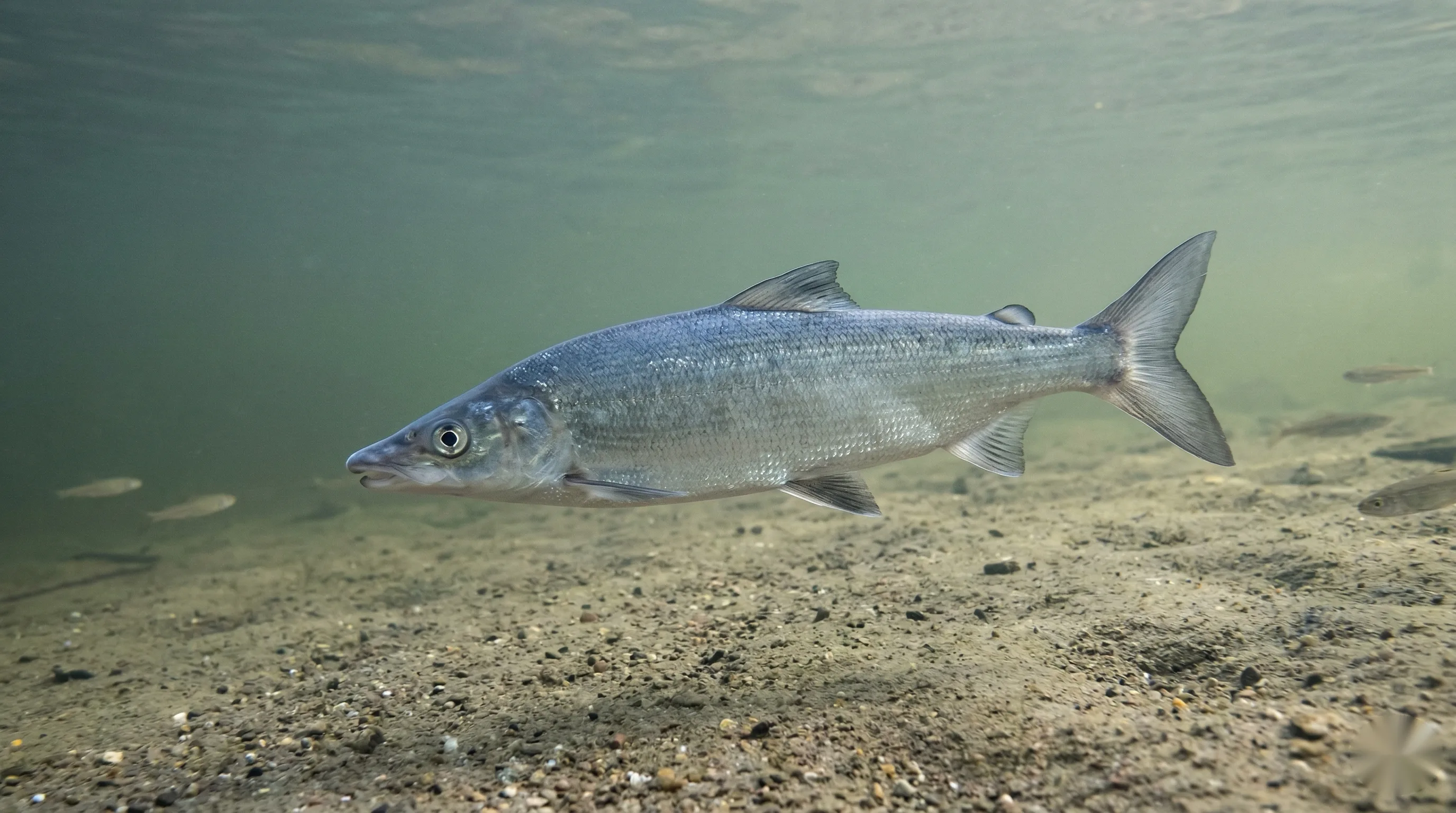
The most remarkable story is the return of migratory fish. The North Sea houting — a whitefish that shuttles between fresh and salt — is present here again after years away, which says something about restored fish migration along the Afsluitdijk.

Notable species
Food web

Water composition
Oxygen saturation
85.6%
Total phosphorus
0.233mg/l
Total nitrogen
2.55mg/l
Ammonium
0.910mg/l
Chlorophyll-a
42.6ug/l
Chloride
208mg/l
Zinc
7.09ug/l
Lead
0.681ug/l
Cyanobacteria risk
100/100
vs all monitored NL waters since 2015 · 63 sample point(s)
Over the years
Total phosphorus0.37 mg/l
Total nitrogen2.32 mg/l
Ammonium1.04 mg/l
2009percentile vs all NL waters — lower is cleaner2024