The food chain of the Ketelmeer
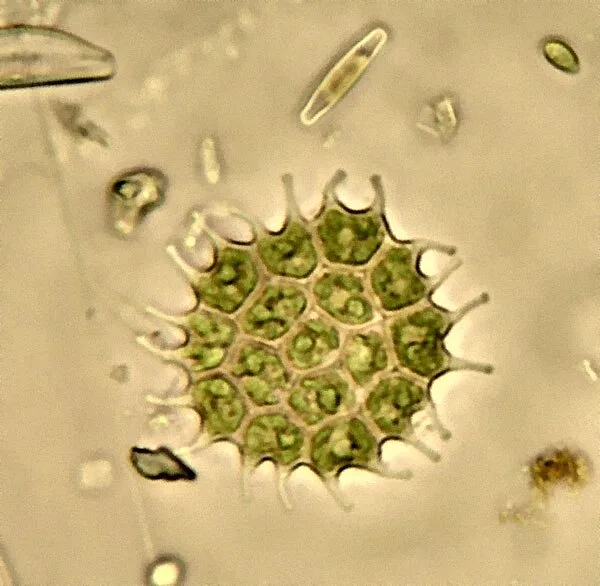
The Ketelmeer is really an extension of the IJssel. Water stays here for only a few days, not a few months as in the other lakes along the polder dikes, says the Natura 2000 site profile. According to that profile the river shows in the whole ecosystem, starting with the plankton: few blue-green algae and many diatoms, just as in the rivers.
Our own data show the same. Of 177 algae samples from the lake, taken from 1992 to 2011, 149 held small, round diatoms, mostly Stephanodiscus. In similar samples from other freshwater lakes you would expect them in 65. The thread-like blue-green alga Planktothrix agardhii turned up in only 6, where you would expect 36. The 2011 fish survey report explains what it means that the water stays so briefly: the nutrients in the water get no time to end up in algae, and there are few or no blue-green algae.
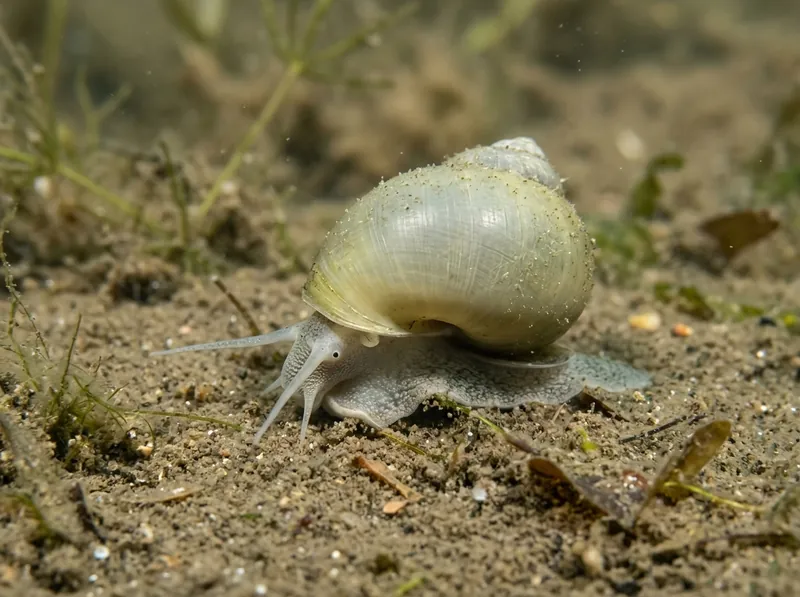
Zebra mussels eat algae, among other things: they filter them out of the water (Cary Institute). Pollution drove them out of the area in the 1960s. When the water got cleaner, they came back from the river. The site profile links their return in the 1980s closely to the rise of tufted duck, pochard and coot, birds that eat mussels. For the tufted duck the area is now of international importance, with up to 15,000 birds. From 2008 our bottom samples also hold the quagga mussel, a relative that probably came through the Main-Danube Canal. Its first shells in the Netherlands were found in 2006, according to the Dutch Species Register. The two mussels together turned up in 20 of the 26 bottom samples.
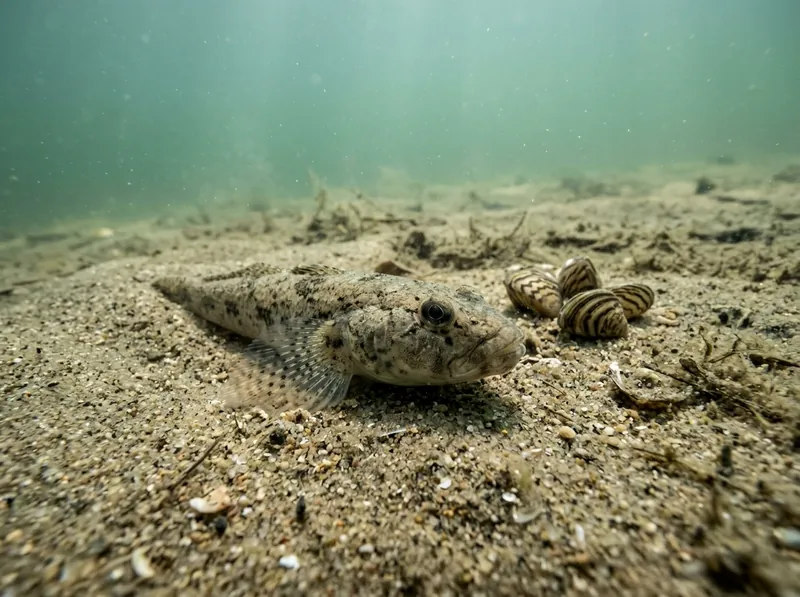
The river brings new fish too. The monkey goby comes from the Black Sea region and reached the Rhine through the Main-Danube Canal. It was first found in the Netherlands in 2009, says RAVON, the Dutch society for reptiles, amphibians and fish. In the fish survey of September 2008 it was in none of the 17 trawl hauls. In September 2011 it was in all 17, and by number it was the commonest fish in the lake: 28 percent of all fish, according to the report. It digs itself into the sand with only its eyes showing, and eats small bottom animals, fish eggs and small fish. FishBase lists Dreissena mussels, the group of the zebra and the quagga mussel, in its diet, from a study in Ukraine. And the goby itself is in the diet of the zander, from a study in Hungary (FishBase).
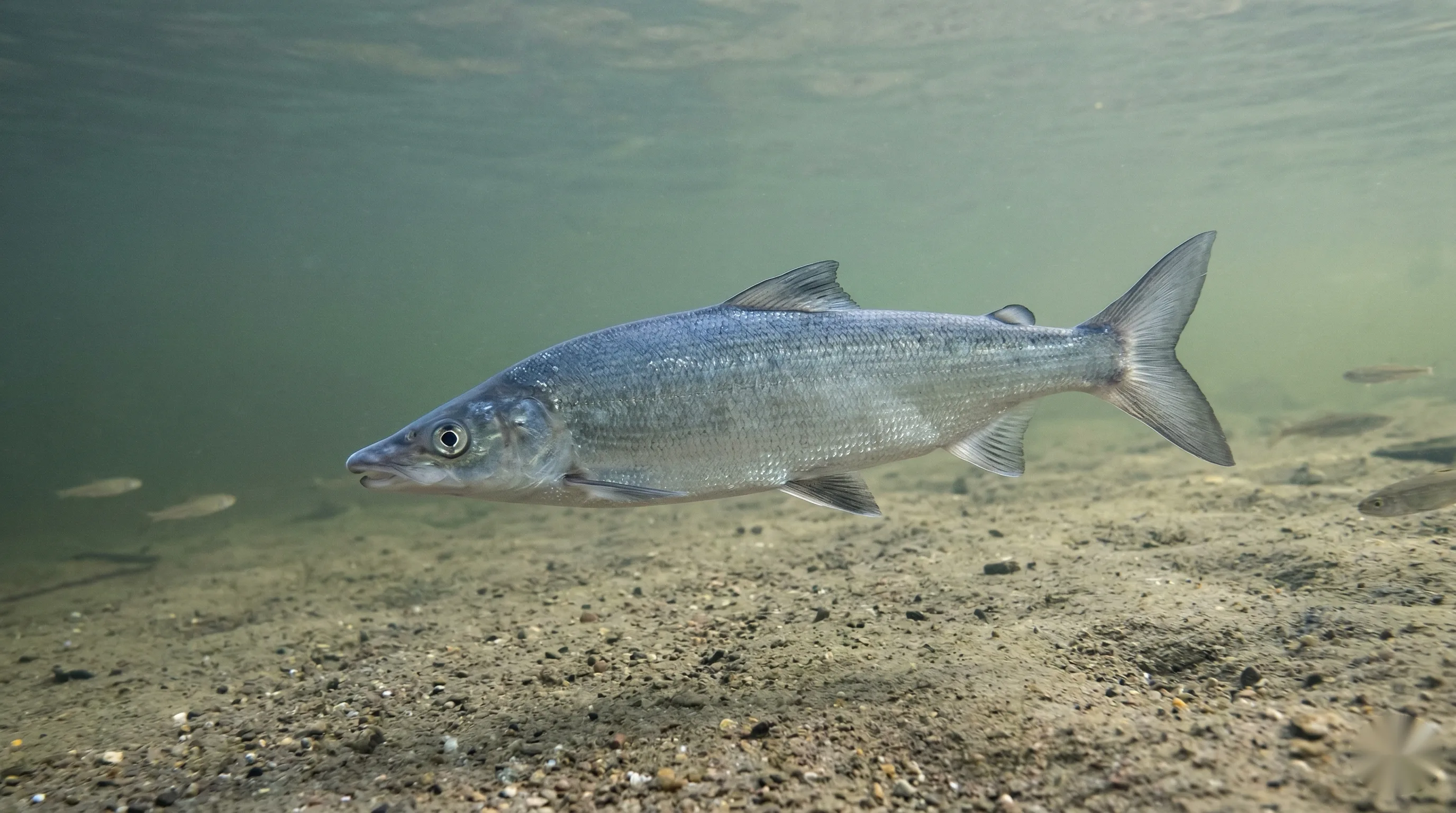
The bleak stands out as well. This slim, silvery fish was in 29 of the 34 hauls of 2008 and 2011. In similar surveys with the same net in other freshwater lakes you would expect it in 2. Bleak often live in large shoals and hunt zooplankton and insects near the surface, writes RAVON. FishBase lists midge larvae in the diet of bleak (Poland), and bleak in the diet of zander (Hungary). Zander was in all 34 hauls.
Below are two food chains from this lake. Both end with the zander: one through the mussels and the monkey goby, the other through the midge larvae and the bleak. The dashed line holds for only some of the midge larvae. Under the figure you will find the source of every arrow.
 MicroorganismsAlgaein 177 of 177 samples1992–2011
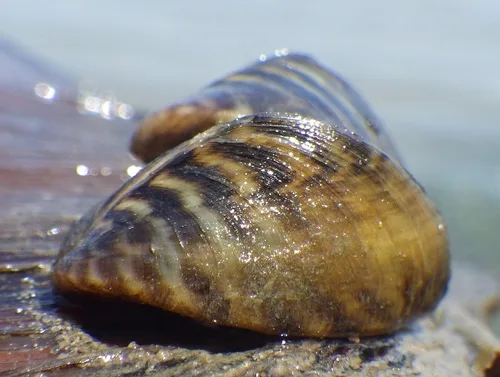 InvertebratesZebra musselsin 20 of 26 samples1997–2012
 FishMonkey gobyin 17 of 34 catches2008–2011
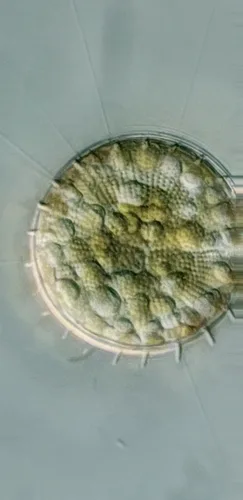 MicroorganismsDiatomsin 173 of 177 samples1992–2011
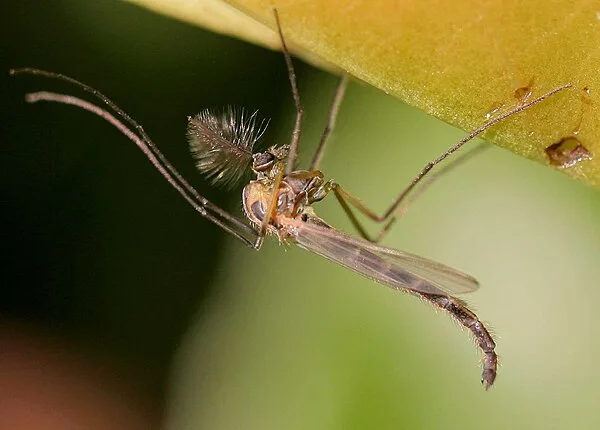 InvertebratesMidge larvaein 24 of 26 samples1997–2012
 FishBleakin 29 of 34 catches2008–2011
 PredatorZanderin 34 of 34 catches2008–2011
What lives here comes from samples and catches in the lake itself. Each arrow points to what eats it. That comes from studies elsewhere, listed below. A dashed line holds for part of the group only.
- Algae → Zebra mussels: Cary Institute, zebra mussel fact sheet
- Zebra mussels → Monkey goby: FishBase, food items of monkey goby (study in Ukraine)
- Monkey goby → Zander: FishBase, food items of zander (study in Hungary)
- Diatoms → Midge larvae (some of them): Goedkoop et al. 1998, Freshwater Biology (study in Lake Erken, Sweden)
- Midge larvae → Bleak: FishBase, food items of bleak (study in Poland)
- Bleak → Zander: FishBase, food items of zander (study in Hungary)